
Pug
What a pug costs to insure and keep in the UK, why brachycephalic health drives the premiums, and what to ask a breeder before you buy one.
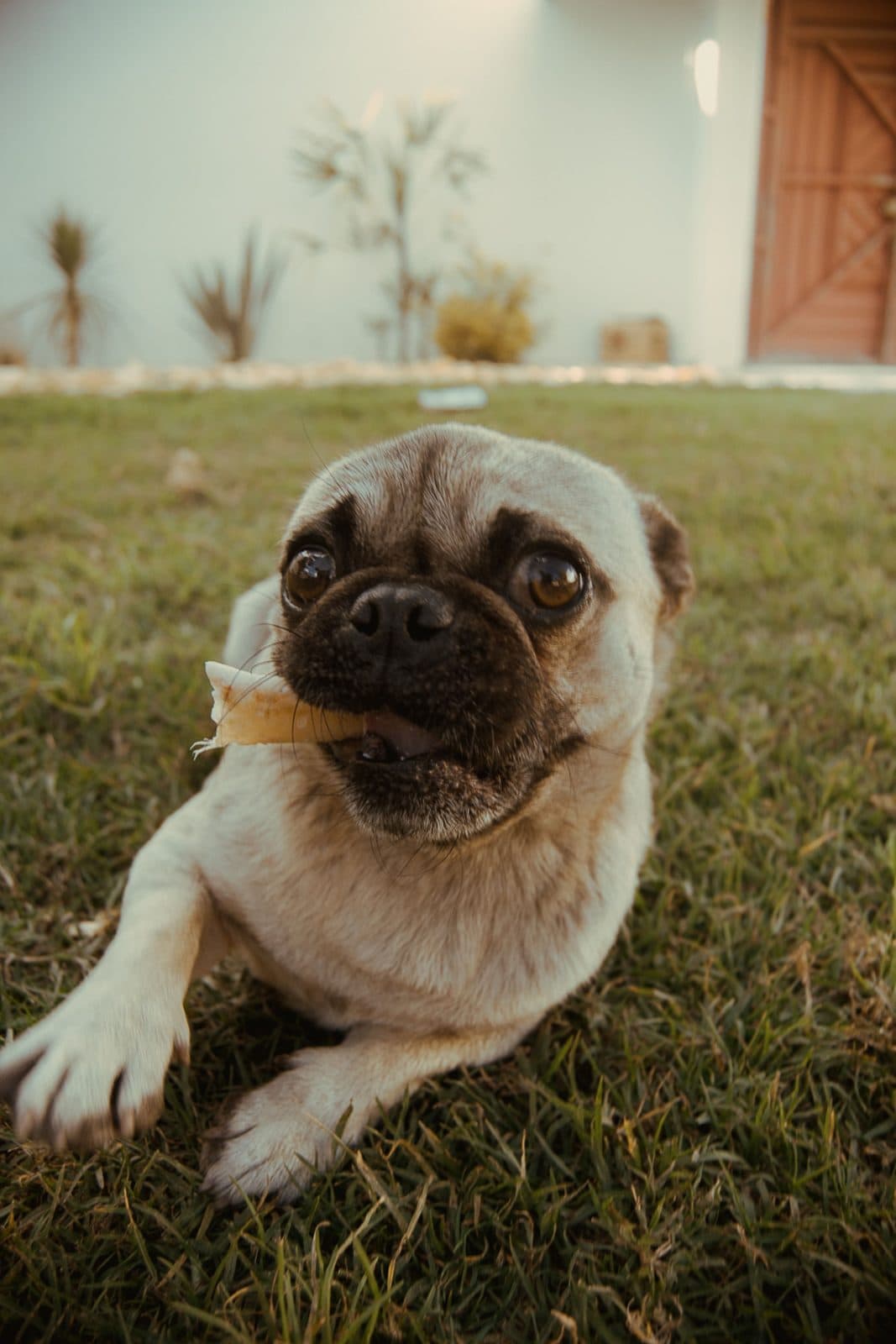
What a Pug costs to own
Expensive to insure for a small dog, and the reasons are all in the face.
Insurance
Well above average for the size. Brachycephalic breeds are among the most claimed-on in the UK, and a proportion of pugs need airway surgery at some point.
What insurers are pricing for
These are risks the breed is predisposed to, not things your dog will get.
- Brachycephalic obstructive airway syndrome
- Narrowed nostrils, a long soft palate and a narrow windpipe. Corrective surgery is common. Snoring and snorting are symptoms rather than character.
- Eye injuries and ulcers
- Prominent eyes on a flat face are easily scratched, and corneal ulcers are frequent enough to be a recurring claim.
- Pug dog encephalitis
- A serious inflammatory brain disease effectively specific to the breed. Uncommon, but severe.
- Hemivertebrae
- Malformed vertebrae associated with the screw tail, which can cause spinal problems.
Grooming
Short coat, heavy shedding, minimal brushing. The nose folds need wiping and drying regularly, and skipping it turns a free job into a vet visit.
Size, food and kit
Small, so food and kit are cheap. Weight control is the thing: every extra kilo makes the breathing worse.
The one people underestimate
Buying the flattest face in the litter. Ask about respiratory function grading and look for open nostrils and a visible muzzle. It is the single decision with the biggest effect on what the dog will cost you.
Getting a real number
We deliberately do not print premiums here. What you pay depends on your postcode, your dog’s age, the cover level and the month you ask, so any figure on a page like this is wrong for most people and out of date within a year. Get quotes from a few providers instead, and compare what the policies actually cover rather than the headline price.
"Multum in parvo."
— The pug motto: a lot of dog in a small space
What a pug is like to live with
Pugs are companion dogs in the truest sense, bred for centuries to sit with people rather than to work. They are affectionate, comic, and generally good with children and other animals. Very little about a pug's temperament is difficult.
Almost everything difficult about a pug is physical, and it is worth being straight about that before you buy one rather than afterwards.
Origin and purpose
An ancient Chinese breed kept by emperors, arriving in Europe with Dutch traders in the sixteenth century. They have never had a job other than company, which is why the temperament is so uncomplicated.
The flat face is a relatively recent exaggeration. Older depictions of pugs show noticeably longer muzzles than the modern show type, and that change is the source of most of the breed's health problems.
Exercise and training
Modest exercise, carefully timed. Short walks suit them, and they should never be pushed in warm weather. A pug that is panting hard and struggling to settle is not being lazy.
Training is straightforward with food, of which they are extremely fond. Weight is the thing to watch: pugs gain easily, and every extra kilo makes the breathing worse.
Grooming
Short coat, heavy shedding, minimal brushing. The real job is the face. Nose folds need wiping and drying regularly, and the eyes need checking, because prominent eyes on a flat face are easily scratched.
Health
This is where the cost lives, and it deserves plain language.
Brachycephalic obstructive airway syndrome affects a large proportion of the breed. Narrowed nostrils, an overlong soft palate and a narrow windpipe make breathing harder work than it should be, and surgery to open the airway is common. Snoring and snorting are not endearing quirks, they are symptoms.
Heat is dangerous rather than uncomfortable, because panting is how a dog sheds heat and a pug pants inefficiently.
The eyes are prominent enough to be injured easily, and corneal ulcers are frequent. Some pugs also suffer pug dog encephalitis, a serious inflammatory brain condition specific to the breed.
Hemivertebrae, malformed vertebrae associated with the screw tail, can cause spinal problems in some dogs.
Before you buy
Ask about the parents' breathing. There is a formal respiratory function grading scheme for brachycephalic breeds, and a breeder who has used it will tell you the grades. Look for open nostrils and a visible muzzle rather than the flattest face in the litter.