
Boxer
What a boxer costs to insure in the UK, why cancer and heart conditions drive the premiums, and what the breed needs from an owner.
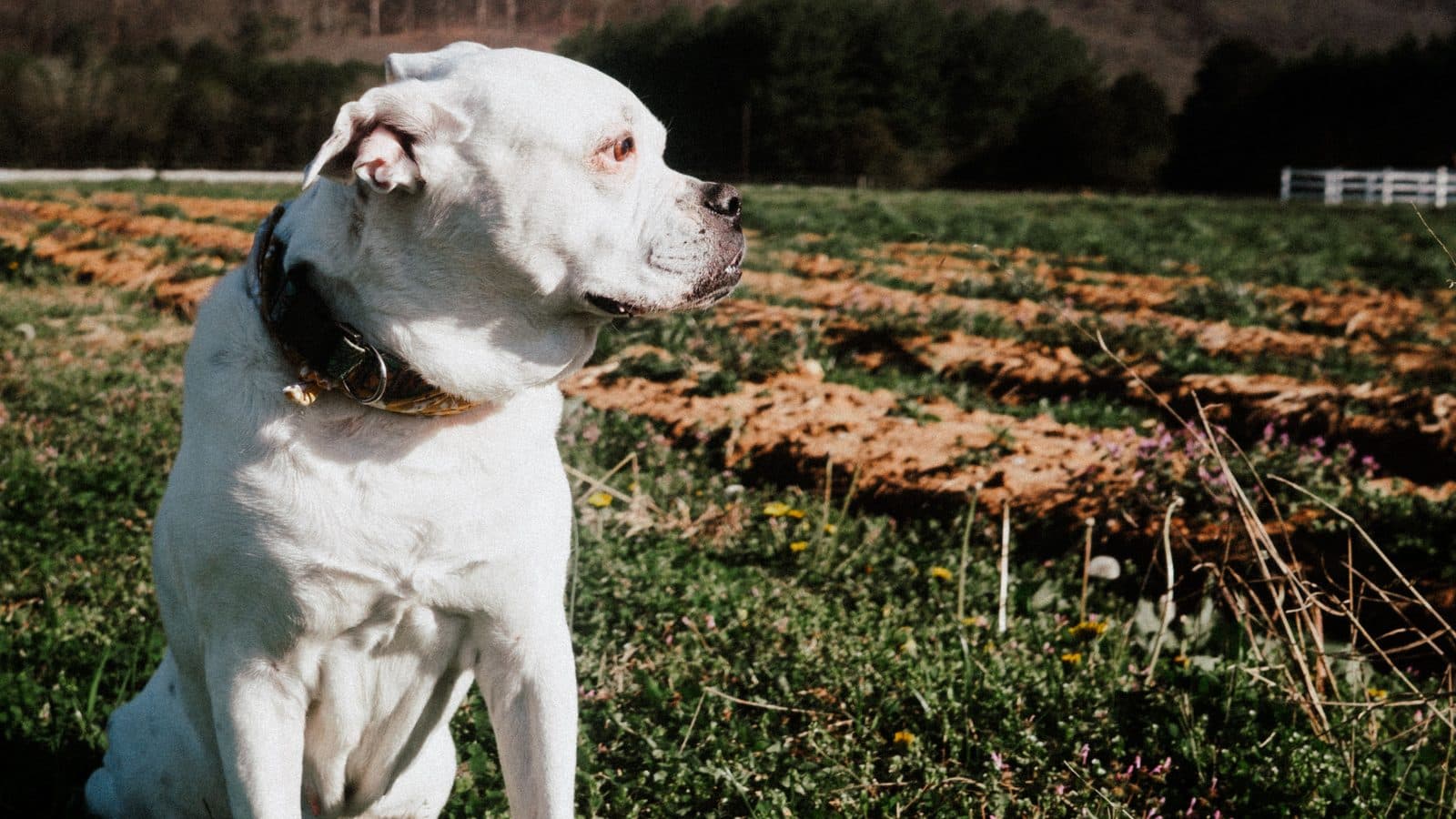
What a Boxer costs to own
One of the higher premiums among common breeds, driven by cancer and heart disease.
Insurance
Above average and rising steeply with age. Boxers have a notably high rate of serious illness, often appearing younger than in other breeds, and that is exactly what lifetime cover is for.
What insurers are pricing for
These are risks the breed is predisposed to, not things your dog will get.
- Cancer
- A high lifetime incidence, including mast cell tumours and lymphoma, and often at younger ages than other breeds. Treatment runs for months rather than resolving in a visit.
- Heart conditions
- Aortic stenosis and boxer cardiomyopathy, an inherited arrhythmia sometimes called ARVC. Screening exists and good breeders use it.
- Bloat (GDV)
- Deep-chested, so the same emergency risk as other large breeds.
- Hip dysplasia and degenerative myelopathy
- Both appear in the breed, with testing available.
Grooming
Short coat, minimal work, more shedding than the coat length suggests. Some boxers drool.
Size, food and kit
Large, around 25 to 32kg. Food, kit, boarding and full-dose treatments all sit at the higher end.
The one people underestimate
Taking accident-only or time-limited cover to save a few pounds a month. For this breed specifically, that is the false economy that bites hardest.
Getting a real number
We deliberately do not print premiums here. What you pay depends on your postcode, your dog’s age, the cover level and the month you ask, so any figure on a page like this is wrong for most people and out of date within a year. Get quotes from a few providers instead, and compare what the policies actually cover rather than the headline price.
"Boxers are the class clowns of the dog world, and they know it."
— Anonymous
What a boxer is like to live with
Boxers stay puppyish for a long time, often three years or more, and people either love that or find it exhausting. They are exuberant, physical, very people-focused and famously good with children, though a bouncing 30kg dog and a toddler need supervising for reasons of physics rather than temperament.
They are also more sensitive than they look. Boxers do not cope well with being left for long periods and can be genuinely miserable in a household that is out all day.
Origin and purpose
Developed in Germany from hunting mastiffs, originally used to hold large game and later as a working and guard dog. That history shows in the build and in the tendency to use the front paws, which is where the name is usually said to come from.
Exercise and training
Substantial, and mental as much as physical. An under-exercised boxer is a bouncing, mouthy, destructive one.
Training needs to start early and stay consistent, mostly because of size. A behaviour that is charming in a puppy is not charming when the dog weighs 30kg and is putting both feet on a visitor's chest. Reward-based work suits them; they are eager to please but easily bored by repetition.
Heat
Boxers are moderately brachycephalic, with a shortened muzzle. Not to the degree of a pug or a French bulldog, but enough that they cope poorly with heat and exertion in warm weather. Summer walks should be early or late.
Grooming
Short coat, minimal work. They shed more than the coat length suggests. Some boxers drool.
Health
This is where the cost is, and it is worth being honest: boxers have one of the higher rates of serious illness of any common breed, and insurers price accordingly.
Cancer is the significant one. Boxers have a notably high lifetime incidence, including mast cell tumours and lymphoma, and often at younger ages than other breeds.
Heart conditions are the other. Aortic stenosis and boxer cardiomyopathy, an inherited arrhythmia sometimes called ARVC, both occur in the breed. There is screening available and a responsible breeder will have used it.
Hip dysplasia, bloat and degenerative myelopathy also appear.
None of that makes a boxer a bad choice. It does make lifetime cover, taken out young, more important for this breed than for most, because the conditions that turn up are the sort that run for years rather than resolving in one visit.