
German Shepherd
What a German shepherd costs to insure and keep in the UK, what UK vet records show about the breed's health, and the tests to ask a breeder for.
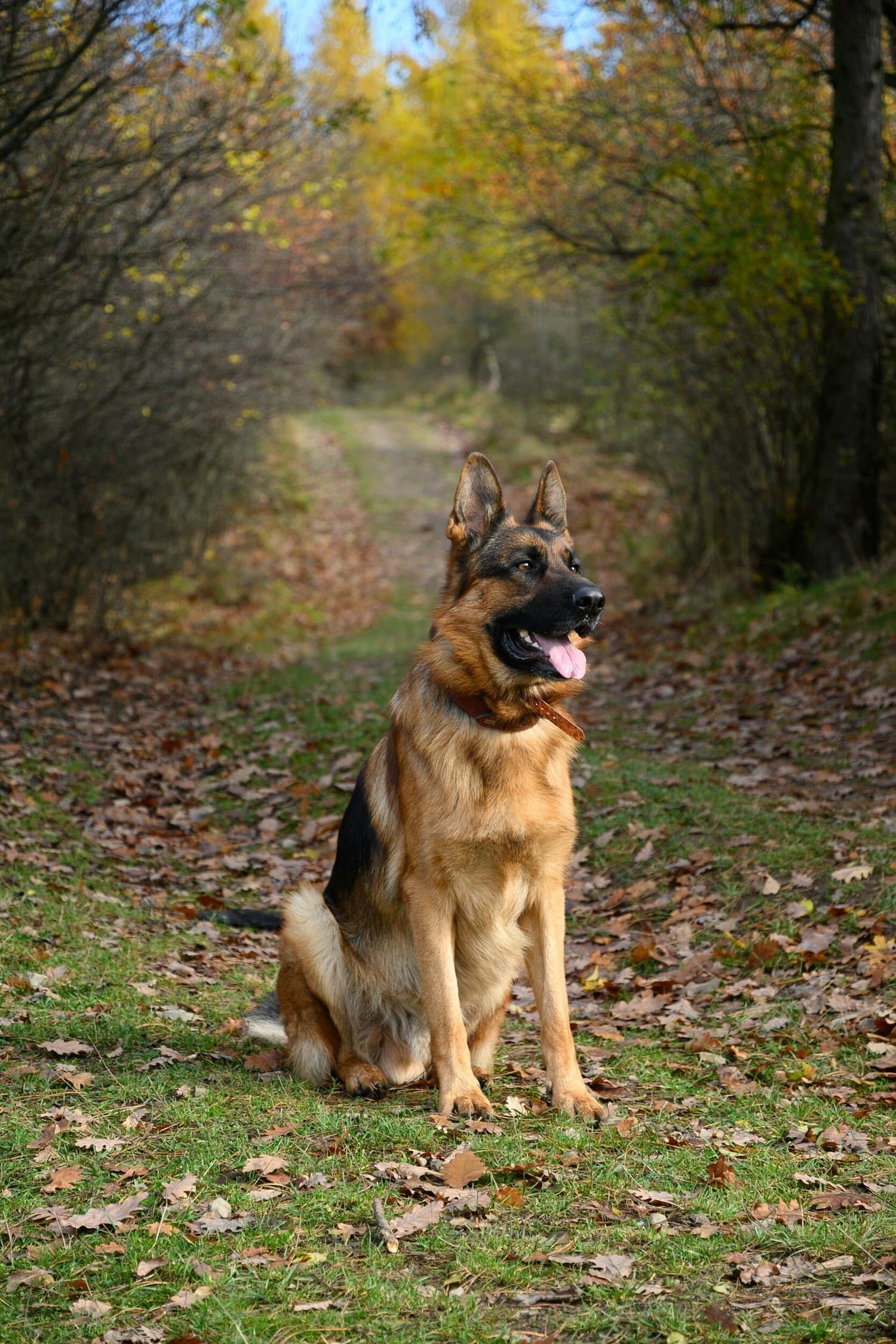
What a German Shepherd costs to own
Mid to high on insurance, and a genuinely expensive dog to feed and equip.
Insurance
Priced above average, mostly for joints and spine. Large breeds cost more to treat for the simple reason that drug doses and surgical time scale with body weight, before you get to breed-specific risk.
What insurers are pricing for
These are risks the breed is predisposed to, not things your dog will get.
- Hip and elbow dysplasia
- The condition the breed is best known for. Responsible breeders score hips and elbows; ask to see the scores rather than take a word for it.
- Degenerative myelopathy
- A progressive spinal cord disease seen more often in this breed than most. There is a DNA test, and breeders who use it will say so.
- Bloat (GDV)
- Deep-chested dogs are at higher risk of the stomach twisting. It is an emergency, it is expensive, and it is survivable if you get there quickly.
- Exocrine pancreatic insufficiency
- Manageable, but the enzyme supplements are a permanent monthly cost rather than a one-off.
Grooming
Heavy shedding twice a year and steady shedding in between. No professional grooming needed, but budget for a decent brush and accept the hoovering.
Size, food and kit
Large. Food, beds, crates, harnesses and boarding all cost more, and a full-dose flea and worm treatment for a 35kg dog is not the same price as for a 7kg one.
The one people underestimate
Working versus show lines behave and are built quite differently. A working line dog in a flat is an expensive mistake in behaviour terms long before it is one in money.
Getting a real number
We deliberately do not print premiums here. What you pay depends on your postcode, your dog’s age, the cover level and the month you ask, so any figure on a page like this is wrong for most people and out of date within a year. Get quotes from a few providers instead, and compare what the policies actually cover rather than the headline price.
What a German shepherd is like to live with
German shepherds are working dogs first. They are clever, loyal and quick to learn, and they want a job. Given one (training, tracking, agility, or just a structured day with plenty of walking), they are among the most rewarding dogs you can own. Without one, they tend to invent their own, and a bored shepherd can be noisy, destructive or anxious.
The Royal Kennel Club lists them as needing more than two hours of exercise a day. That means mental work as well as miles.
They are also naturally watchful and protective, and that needs managing from the start. In a VetCompass study of German shepherds under UK veterinary care, aggression was among the five most common problems vets recorded, in 4.8% of dogs, and it was more common in males than females. That is not a reason to avoid the breed. It is a reason to put real effort into socialisation with people, dogs and everyday noise in the first months, and to get help from a qualified behaviourist early if worrying behaviour starts rather than hoping it passes.
Origin
The breed was developed in Germany in the late nineteenth century, largely by Max von Stephanitz, as a herding dog. It was soon taken up by police and the armed forces, and German shepherds have since worked as guide dogs, search dogs and in every kind of obedience and tracking role.
Two quite different types
The Royal Kennel Club notes a marked division of type within the breed, which has developed over the last fifty years and is still argued about. In practice, working-line dogs tend to be straighter-backed and more intense, bred for drive and stamina. Some show lines have a more sloping back and more angled hind legs.
This matters for two reasons. The working lines need even more to do than the breed average. And how a dog is built affects how it moves as it ages. Ask to see both parents walking and trotting, and be wary of a dog that looks unsteady or crouched at the back.
There is also a long-coated variety, which the breed standard now recognises. It needs more brushing but is otherwise the same dog.
What UK vet records show
The VetCompass study gives a useful picture of German shepherds in ordinary UK practices. The median lifespan was 10.3 years. The most common problems recorded were:
- ear infections, in 7.9% of dogs
- osteoarthritis, in 5.5%
- diarrhoea, in 5.2%
- being overweight, in 5.2%
- aggression, in 4.8%
The most common causes of death were musculoskeletal disorders (16.3%) and inability to stand (14.9%). Put simply, the back end is where many shepherds' lives end. Hip and elbow disease, arthritis and degenerative myelopathy can all end in a dog that can no longer get up, and that is why the joint and spine tests below matter so much.
It also shapes the insurance decision. Mobility problems in an older large dog are long-running and expensive to manage, which is the case for lifetime cover rather than a policy that stops paying for a condition after a year.
Keeping the joints going
Keep your shepherd lean. The calorie calculator gives you a starting figure, and you should be able to feel the ribs easily. Build exercise up gradually in a growing puppy rather than running long distances from the start, and watch for early signs: stiffness after rest, reluctance on stairs or jumping into the car, or a change in the way the back legs move. Our guide to why a dog limps covers when to see a vet.
Grooming
A double coat that sheds all year and heavily twice a year. Brush several times a week, daily during a moult. No professional grooming needed, but expect hair everywhere.
Health tests to ask a breeder for
The Royal Kennel Club treats these as essential for German shepherd breeders:
- Hip score under the BVA/RKC Hip Dysplasia Scheme. Each hip is scored 0 to 53, and lower is better. The BVA advises breeding only from dogs scoring below or close to the breed median, so ask how the parents compare.
- Elbow grade under the BVA/RKC Elbow Dysplasia Scheme. Graded 0 to 3, and the BVA advises breeding only from grade 0.
It also recommends:
- A DNA test for degenerative myelopathy (DM), a progressive disease of the spinal cord that causes weakness in the back legs. The Royal Kennel Club explains that the test shows risk rather than a diagnosis: a dog with two copies of the mutation will not necessarily develop the disease, but a breeder should know which dogs carry it and pair them sensibly.
- An eye certificate under the BVA/RKC/ISDS Eye Scheme.
You can check registered dogs' results on the Royal Kennel Club's Health Test Results Finder.
Before you buy
Meet the mother, and the father if you can. Puppies take a lot from their parents' temperament, and a nervous or reactive mother is a warning sign however good the paperwork. Ask whether the lines are working or show, and be honest about how much time you have each day.
Insure from the day you collect the puppy, before any vet visit can record a pre-existing condition. Our UK pet insurance comparison explains lifetime cover, and the harness sizing tool helps with a big, strong adolescent.