
Siberian Husky
What a Siberian husky costs to buy and keep in the UK, why they end up in rescue so often, and what the breed genuinely needs from an owner.
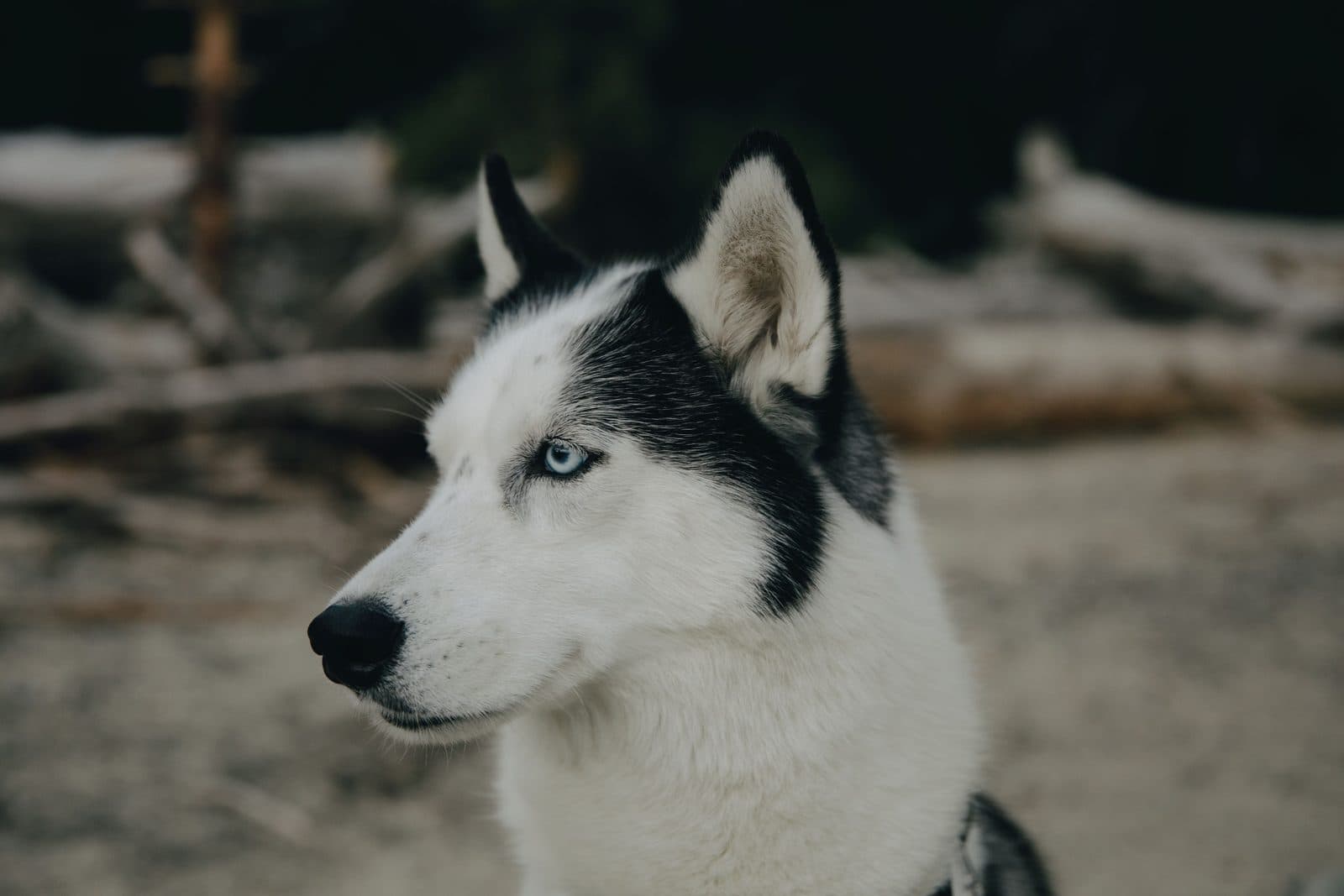
What a Siberian Husky costs to own
Reasonable to insure. The real costs are containment, exercise and what happens when they are bored.
Insurance
Around average or a little below for a large breed. Huskies are a relatively hardy working breed with fewer inherited problems than many pedigrees, and insurers price them accordingly.
What insurers are pricing for
These are risks the breed is predisposed to, not things your dog will get.
- Hip dysplasia
- Present in the breed but at lower rates than many large dogs. Scoring is available and good breeders use it.
- Eye conditions
- Juvenile cataracts and progressive retinal atrophy both occur, and both have screening.
- Zinc-responsive dermatosis
- A skin condition seen in northern breeds more than most. Manageable with supplementation, but it is ongoing.
- Heat-related illness
- Not inherited, but a genuine emergency risk in a UK summer for a dog built for Siberia.
Grooming
No professional grooming needed, but a dense double coat that blows out twice a year and needs daily brushing while it does. Never clip it: the coat insulates against heat as well as cold.
Size, food and kit
Medium to large, with a surprisingly efficient appetite given they were bred to work hard on little food.
The one people underestimate
Fencing and boredom, in that order. A husky that gets out will cover miles, and an under-exercised one redecorates. Both cost more than the premiums ever will, which is why so many end up in rescue.
Getting a real number
We deliberately do not print premiums here. What you pay depends on your postcode, your dog’s age, the cover level and the month you ask, so any figure on a page like this is wrong for most people and out of date within a year. Get quotes from a few providers instead, and compare what the policies actually cover rather than the headline price.
"The dog is the only animal that has seen his god."
— Anonymous
What a Siberian husky is like to live with
Huskies are one of the most misunderstood breeds in the UK, and it shows in the rescue numbers. They are affectionate, funny, sociable dogs with almost no guarding instinct, which makes them poor watchdogs and excellent company. They are also built to run for hours in freezing conditions, and that does not switch off because they live in Surrey.
The two things that catch people out are the running and the noise. A husky off lead in an unsecured space will often simply go, not from disobedience but because covering ground is the thing they were made for. And they do not bark so much as talk, at volume, in a way that neighbours notice.
Origin and purpose
Developed by the Chukchi people of north-eastern Siberia as a sled dog, bred to pull light loads over long distances on little food. Every feature follows from that: the double coat, the efficient gait, the sociability with other dogs, and the endurance.
Exercise and training
A great deal, and not just walking. Huskies need genuine physical work and something to occupy the mind, and an under-exercised husky is destructive in a way that is expensive rather than annoying.
Recall is the honest problem. Many husky owners never let them off lead anywhere unfenced, and that is a sensible decision rather than a failure. Long lines, secure fields and canicross are the usual answers. If a garden fence is under six feet, assume it is a suggestion.
Training responds to reward-based work and falls apart with force. They are intelligent and independent, which reads as stubborn if you are expecting a retriever.
Grooming
A dense double coat that sheds moderately most of the year and spectacularly twice a year, when it comes out in handfuls. Brushing during a coat blow is a daily job.
Never shave a husky. The coat insulates against heat as well as cold, and clipping it damages that.
Heat
Worth its own heading in a UK context. Huskies cope with cold far better than warmth, and summer walks need to be early or late. Heat exhaustion is a genuine emergency risk for this breed rather than a theoretical one.
Health
Generally a hardy breed with fewer inherited problems than many, which is reflected in reasonable insurance pricing. The ones to know are hip dysplasia, and eye conditions including juvenile cataracts and progressive retinal atrophy, both of which have screening available. Zinc-responsive dermatosis appears in the breed more than most.