
Insurance for Pugs, French Bulldogs and Bulldogs: The Small Print That Decides Whether Breathing Surgery Is Paid
Every one of the ten insurers we checked covers pugs, French bulldogs and bulldogs, and every limit is high enough for BOAS surgery. What decides whether a claim is paid is the small print on pre-existing conditions, elective surgery and turning down a vet's advice. Checked November 2026.
Published 8 November 2026
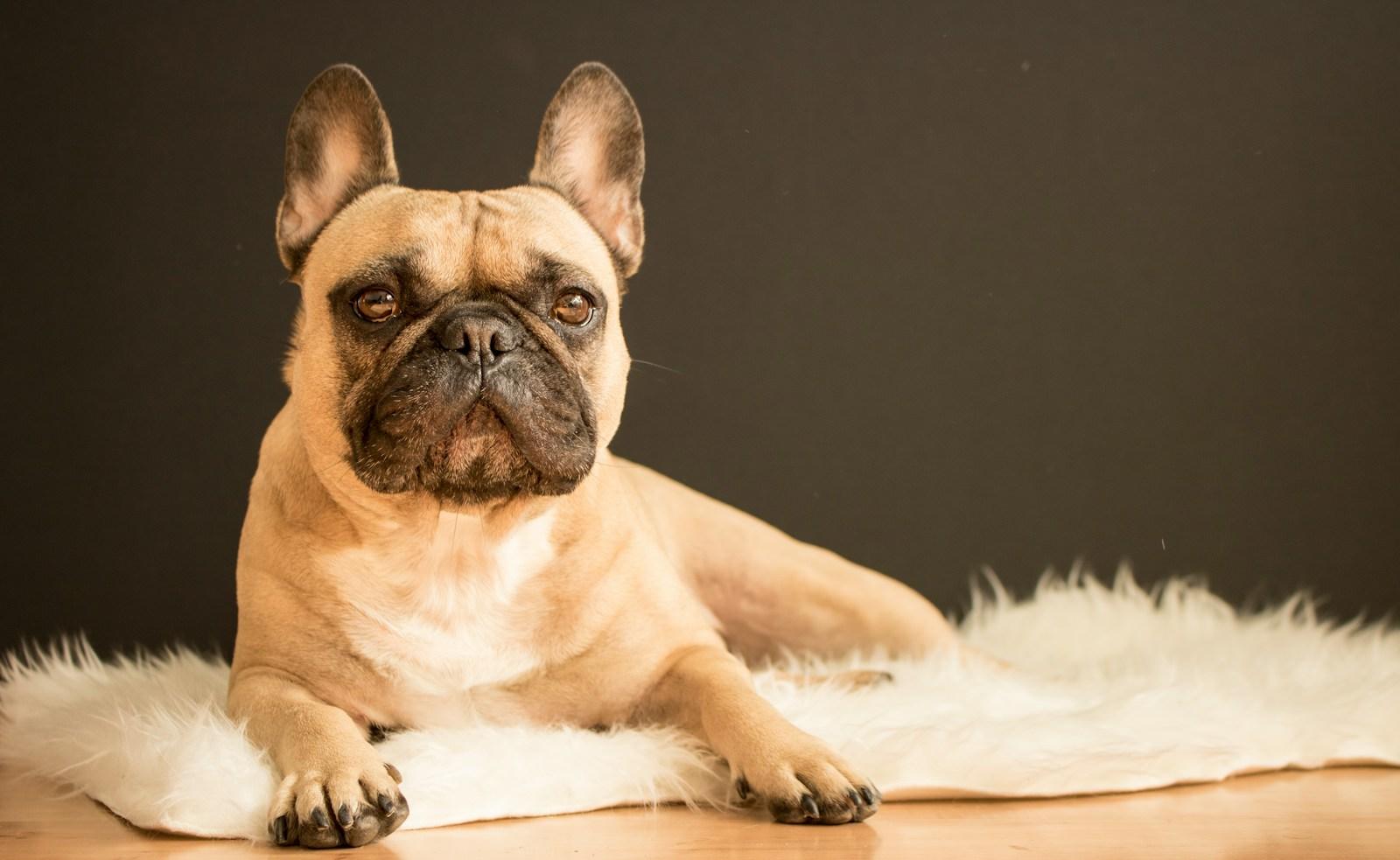
Pugs, French bulldogs and English bulldogs share a flat face, and with it a breathing problem called brachycephalic obstructive airway syndrome, or BOAS. Studies of UK vet records by the Royal Veterinary College found that, compared with other dogs:
- pugs had 54 times the odds of a BOAS diagnosis,
- French bulldogs had 31 times the odds,
- and English bulldogs had 19 times the odds.
So if you have one of these breeds, the question is not really whether your insurer covers the breed. It is whether it will pay when your dog needs airway surgery. We read the policy documents of the ten insurers in our guide to the best pet insurance to find the wording that decides it. We have no policy to sell you, and no insurer pays us.
The short answer
- All ten cover pugs, French bulldogs and English bulldogs. None of them has these breeds on its excluded list.
- Every limit is high enough for BOAS surgery. It costs from about £3,200 at a specialist hospital, well within any lifetime policy in our guide.
- What decides a claim is the small print: whether your dog's airway counts as a pre-existing problem, whether the surgery counts as "preventative" or "elective", and what happens if you turn down surgery your vet recommends. None of the ten policies mentions BOAS by name, so ask the insurer in writing before you buy.
What BOAS surgery costs
Langford Vets, the University of Bristol's referral hospital, publishes its prices. As at 1 May 2026:
- Consultation: £340.
- BOAS surgery: from £3,200, or £4,200 for a complex case or one that needs imaging.
- Out-of-hours surgery: a surcharge on top of the surgery price.
Surgery typically widens narrow nostrils and shortens an overlong soft palate, and some dogs need more. On a lifetime policy with a limit of £5,000 or more a year, the money is not the problem. The wording is.
Catch 1: is your dog's airway already a pre-existing condition?
Every policy excludes problems that showed before cover started. For a flat-faced breed, that can happen early:
- Signs noted at a puppy check. If a vet writes down snoring, noisy breathing or narrow nostrils before your policy starts, an insurer can treat later breathing problems as pre-existing.
- "Physical deformity" in the definition. Pets at Home and Petgevity both define a pre-existing condition to include a pet that "already has a physical deformity". Neither says whether a flat face or narrow nostrils count. Ask before you buy.
- BOAS grading. The Royal Kennel Club and University of Cambridge Respiratory Function Grading Scheme grades dogs from 0 to 3. Grade 0 means no breathing signs. Grade 1 means "some respiratory noise", and grades 2 and 3 mean moderate and severe signs of BOAS. A grade of 1 or above is a recorded breathing sign, so get the policy in place first and book the assessment after.
The safest order for a puppy is the one we give for every breed: insure first, then book the first vet check. Our guide to puppy insurance covers how to keep cover running from the breeder's free policy.
Catch 2: preventative and elective surgery exclusions
BOAS is progressive. The Royal Kennel Club describes it as a disorder that can affect a dog's ability to exercise, play, eat and sleep, and some vets recommend surgery before a dog is struggling. That is where these exclusions matter:
| Insurer | What its policy excludes |
|---|---|
| ManyPets | "Preventative or elective surgery and procedures", with elective meaning procedures that "aren't medically necessary" |
| Animal Friends | Any "routine, preventative, elective or cosmetic treatment, even when it's recommended by a vet to prevent an illness or injury" |
| Waggel | Any "routine, preventative, elective or cosmetic treatment for any reason, even if it's recommended by a vet to prevent an illness or injury" |
| Perfect Pet | Elective treatment, meaning anything "not medically necessary", and treatment that "is preventive and not treating an Illness" |
| Purely Pets | Preventative or elective treatments, and treatment "not directly related to an injury or illness", including cosmetic surgery |
| Post Office | Routine and preventative treatments, including cosmetic surgery, and treatment your vet confirms was not necessary |
| Petgevity | Routine and preventative treatments, including cosmetic surgery |
| Pets at Home | Routine care and preventative treatments, including cosmetic surgery |
| Agria | Preventative veterinary treatment |
| Petplan | We found no general exclusion for elective or preventative treatment |
None of these mentions BOAS, and surgery for a dog that is already struggling to breathe is treating an illness, not preventing one. The grey area is surgery done early, before clear signs, or at the same time as neutering. Animal Friends and Waggel go furthest, excluding preventative treatment even when a vet recommends it. If your vet is suggesting early airway surgery, ask the insurer to confirm cover in writing before the operation.
On the other side, Pets at Home and Petgevity both define a condition to include inherited illnesses and birth defects, which is reassuring for breeds whose problems start with their shape.
Catch 3: turning down surgery your vet recommends
This one surprises people. Several policies limit what they pay if you do not follow your vet's advice:
- Animal Friends will not cover "costs resulting from not having routine, preventative, elective or cosmetic treatment recommended by a vet to prevent an injury or illness".
- Pets at Home will not pay for loss caused by not following the advice or treatment a vet recommends, including "not accepting the treatment".
- Petgevity has a similar rule for not following a vet's advice or accepting the treatment they recommend.
- Waggel will not cover claims "that could have been avoided by routine or preventative treatment".
So if a vet recommends airway surgery and you decide against it, a later claim for a breathing emergency or heatstroke could be questioned. That does not mean you have to agree to every operation. It means you should ask the insurer how it would treat a later claim before you decide, and keep a record of what the vet advised and why you chose as you did.
Eyes, ears and skin folds: the other claims
BOAS gets the headlines, but the same studies found these breeds at much higher odds of other problems too:
- Pugs: corneal ulcers, at 13 times the odds of other dogs.
- French bulldogs: ear discharge at 14 times the odds, and skin fold dermatitis at 11 times.
- English bulldogs: skin fold dermatitis at 38 times the odds, and cherry eye (a prolapsed gland in the third eyelid) at 27 times.
Two policy details matter here:
- Bilateral conditions. Most policies treat a problem that can affect both sides of the body as one condition. ManyPets names cherry eye and entropion (an inward-rolling eyelid) as examples, and Pets at Home and Petgevity both list eyes. So a problem in one eye before you insure can exclude the same problem in the other eye.
- The excess. Repeat eye, ear and skin claims mean repeat excesses on most policies, which charge one per condition each year. ManyPets and Pets at Home charge one excess a year in total, which suits these breeds well.
Breeding and caesareans
The French bulldog study found 9 times the odds of a difficult birth. If you plan to breed, most policies will not help: pregnancy and birth are excluded or limited on almost all of them. Agria sells optional breeding cover, but it will not pay for caesareans in bulldogs, French bulldogs, Boston terriers or Pekingese. ManyPets excludes caesareans without a clinical need, and will not cover a pet that has been pregnant more than three times.
Questions to ask before you buy
Because no policy names BOAS, the only way to be sure is to ask. Get the answers by email, so you have them in writing:
- If my dog needs BOAS surgery after the policy starts, is it covered, including nostril widening and soft palate surgery?
- Would you treat narrow nostrils or a flat face as a pre-existing condition or physical deformity if they were noted at a puppy check?
- Would a Respiratory Function Grading result of grade 1 count as a pre-existing sign?
- If my vet recommends airway surgery before my dog is struggling, would you treat it as preventative or elective?
- If I decide not to go ahead with surgery a vet recommends, would that affect a later claim for breathing problems?
What to look for in a policy
- Lifetime cover with a limit that resets every year. BOAS can need more than one operation, and eye and skin problems recur.
- One excess a year if you can get it, for a breed likely to claim for several things.
- Written answers to the questions above.
- Insure before the first vet check, and before any breathing assessment.
- If you are buying a puppy, ask the breeder for both parents' breathing grades. The Royal Kennel Club recommends breeding only from dogs that have been through the scheme.
Sources
- O'Neill DG et al. Health of Pug dogs in the UK: disorder predispositions and protections. Canine Medicine and Genetics, 2022
- O'Neill DG et al. French Bulldogs differ to other dogs in the UK in propensity for many common disorders: a VetCompass study. Canine Medicine and Genetics, 2021
- O'Neill DG et al. English Bulldogs in the UK: a VetCompass study of their disorder predispositions and protections. Canine Medicine and Genetics, 2022
- Langford Vets: soft tissue price guide, prices correct as at 1 May 2026
- Royal Kennel Club: Respiratory Function Grading Scheme
- Policy documents: Agria lifetime dog policy, Petplan Covered For Life, ManyPets handbook for plans starting or renewing from 1 October 2026 from its handbooks page, Animal Friends £10,000 and £18,000 lifetime booklet, Waggel policy wording V22, Petgevity Lifetime Plus (July 2026), Perfect Pet lifetime policy wording (July 2026), Purely Pets policy wording, Post Office (P3324v9)
- Pets at Home: Pets Insurance policy wording (PETSPWLT0626), supplied by Pets at Home on request in October 2026
Vet prices, studies and policy documents checked in November 2026. Insurers change their policies often, so always read the policy documents before you buy.
Common questions
Does pet insurance cover BOAS?
Usually, if your dog showed no signs of breathing trouble before the policy started and the surgery is treating a problem rather than preventing one. None of the ten policy documents we read names BOAS. The risks are a vet noting noisy breathing or narrow nostrils before you insure, and wording that excludes preventative or elective surgery.
What is the best insurance for a French bulldog or pug?
A lifetime policy with a yearly limit that resets, one excess a year if you can get it, because these breeds tend to have repeat eye, ear and skin problems, and an insurer that will confirm in writing how it treats BOAS surgery. ManyPets and Pets at Home charge one excess a year. Insure before your puppy's first vet check.
How much does BOAS surgery cost in the UK?
Langford Vets, the University of Bristol's referral hospital, lists BOAS surgery from £3,200, or £4,200 for a complex case or one needing imaging, plus a £340 consultation. Prices were correct as at 1 May 2026.
Are pugs and French bulldogs more expensive to insure?
Insurers do not publish their breed prices, so we cannot say by how much. Royal Veterinary College studies found pugs had 1.86 times the odds of a health problem in a year compared with other dogs, and English bulldogs 2.04 times, so a higher premium is likely. Get quotes for the same level of lifetime cover from several insurers.
Should I get my dog BOAS graded before insuring?
Grading is worth doing, but think about the order. A grade of 1 or above records breathing noise or signs of BOAS, and almost every policy we read excludes signs noted before cover starts. Put the policy in place first, then book the assessment.
Read next
Husky, Malamute and Akita Insurance: Which UK Insurers Cover Spitz Breeds and Their Lookalikes
We checked the excluded breeds lists of ten UK insurers. Huskies and malamutes are excluded by only one, Akitas by five, and lookalikes such as the Northern Inuit, Tamaskan and Utonagan by up to four. Plus the racing clauses that matter for sled and canicross dogs. Checked November 2026.
Insurance for Giant Breeds: How Age Rules Hit Great Danes, Mastiffs and Bernese Hardest
Giant breeds live shorter lives, so the age at which an insurer starts a co-payment or ends cover takes a much bigger bite. We compared the age rules and excluded breeds of ten UK insurers against UK lifespan data for Great Danes, mastiffs, Bernese and other giant breeds. Checked November 2026.
Staffie Insurance: Which UK Insurers Cover Staffordshire Bull Terriers, and the Crosses That Catch People Out
We checked the excluded breeds lists and policy documents of ten UK insurers. Nine cover the Staffordshire bull terrier, one does not, and several exclude Irish and American Staffies and their crosses. Plus what Staffies see the vet for and which policies pay for allergy food. Checked November 2026.