
English Bulldog
What an English bulldog costs to insure and keep in the UK, why they are among the most expensive breeds to cover, and what to ask a breeder.
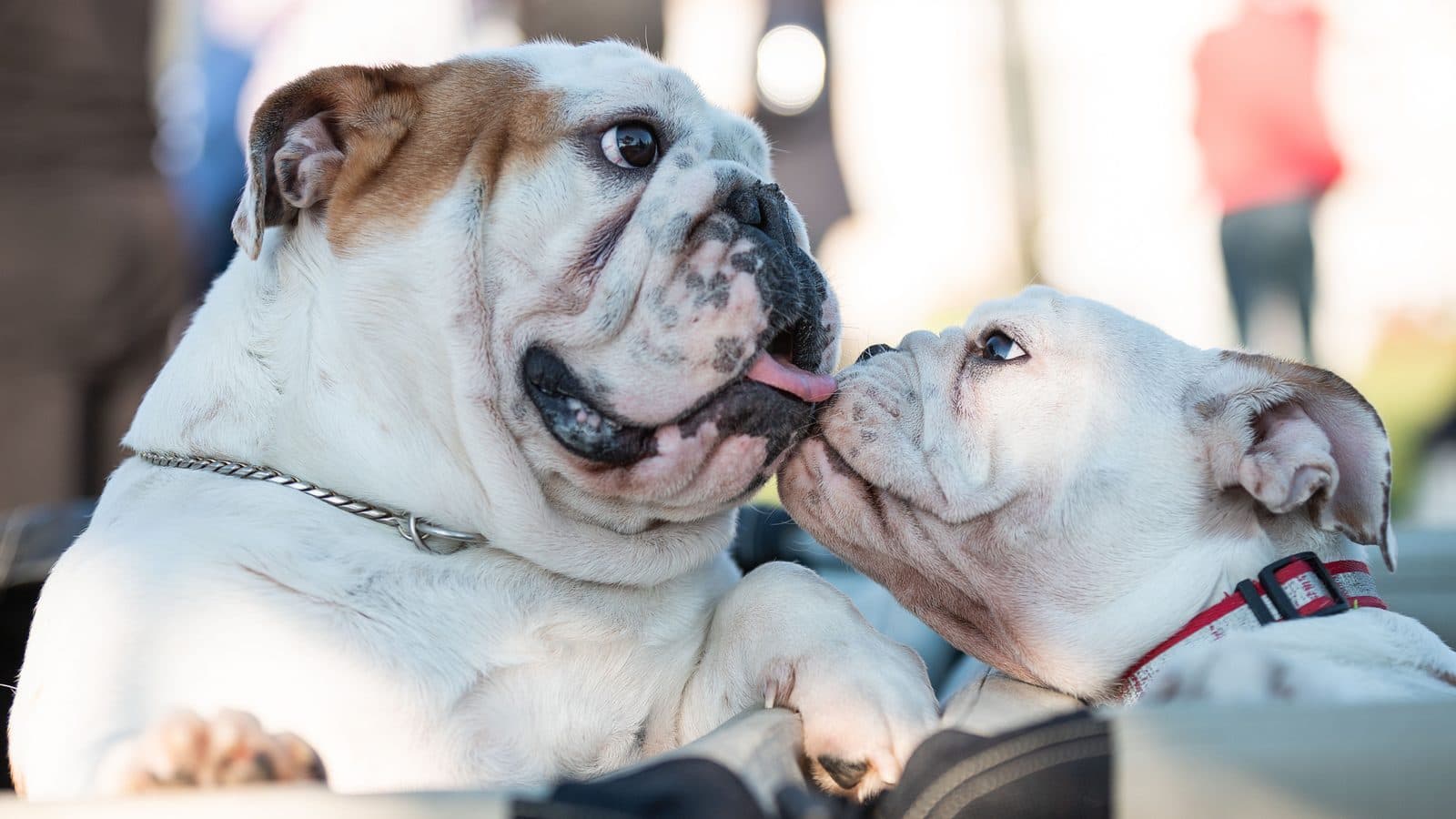
What a English Bulldog costs to own
Consistently among the most expensive breeds in the UK to insure, and the reasons are structural.
Insurance
At or near the top of almost every insurer table, and some will not offer lifetime cover beyond a certain age. The breed claims often, and for surgery rather than for consultations.
What insurers are pricing for
These are risks the breed is predisposed to, not things your dog will get.
- Brachycephalic obstructive airway syndrome
- Close to universal in the breed to some degree. Corrective airway surgery is common. Struggling after mild exercise is a symptom, not breed character.
- Heatstroke
- A bulldog cannot cool itself efficiently. This is a genuine cause of death in the breed rather than a theoretical risk.
- Skin fold infections
- Facial wrinkles and the tail pocket need daily cleaning, and infections recur.
- Hip dysplasia and eye conditions
- Hip dysplasia is very widespread. Cherry eye and entropion frequently need surgery.
Grooming
The coat is nothing. The folds are a daily job, and the difference between doing it and not doing it is a vet bill.
Size, food and kit
Medium to large and heavy for the height. Doses and surgical time price at the higher end.
The one people underestimate
Any seller who tells you the breed is generally healthy. Ask about respiratory grading, look for open nostrils and the longest muzzle in the litter, and take conformation seriously: the dogs bred less extreme genuinely breathe better.
Getting a real number
We deliberately do not print premiums here. What you pay depends on your postcode, your dog’s age, the cover level and the month you ask, so any figure on a page like this is wrong for most people and out of date within a year. Get quotes from a few providers instead, and compare what the policies actually cover rather than the headline price.
"The bulldog is a gentleman in a thug's body."
— Anonymous
What an English bulldog is like to live with
Bulldogs are calm, affectionate, stubborn and extremely fond of company. They are not energetic dogs, they are not noisy, and they are usually excellent with children. As housemates they are among the easiest breeds going.
As a health proposition they are among the hardest, and any honest page about the breed has to lead with that rather than bury it.
Origin and purpose
Bred for bull-baiting until it was outlawed in 1835, then reshaped over the following century into a companion. The modern bulldog looks very little like its nineteenth-century ancestors: shorter in the muzzle, wider in the chest, heavier in the head. Almost every health issue the breed has traces back to that reshaping.
Exercise and training
Modest and carefully timed. Short walks, never in the heat of the day, and a close eye on breathing. Many bulldogs cannot swim, because the body proportions do not float, and unsupervised access to water is a genuine risk.
Training is straightforward but slow. They are not stupid, they are simply unhurried, and repetition works better than pressure.
Grooming
Short coat, easy. The work is the folds: facial wrinkles and the tail pocket need cleaning and drying regularly, or they become infected. This is a daily-ish job rather than an occasional one.
Health
Bulldogs are consistently among the most expensive breeds to insure in the UK, and the reasons are structural.
Brachycephalic obstructive airway syndrome is close to universal in the breed to some degree. Many bulldogs have corrective airway surgery. Snoring, snorting and struggling after mild exercise are signs of a compromised airway, not breed character.
Heat is dangerous. A bulldog cannot cool itself efficiently and heatstroke is a real cause of death in the breed.
Skin fold infections are common and recurrent. Hip dysplasia is very widespread. Eye conditions including cherry eye and entropion frequently need surgery. Many bulldogs cannot whelp naturally and are delivered by caesarean, which is a cost and a risk for anyone breeding.
Before you buy
Ask about the parents' respiratory grading, look for the most open nostrils and the longest muzzle in the litter rather than the flattest face, and expect a good breeder to be candid about all of this. If a seller tells you the breed is generally healthy, that is a reason to walk away.
There is also a growing market in bulldogs bred deliberately for less extreme conformation. Whatever you think of the aesthetics, the dogs breathe better.