
Miniature Dachshund
What a miniature dachshund really costs to own in the UK, why IVDD drives their insurance premiums, and what the breed is actually like to live with.
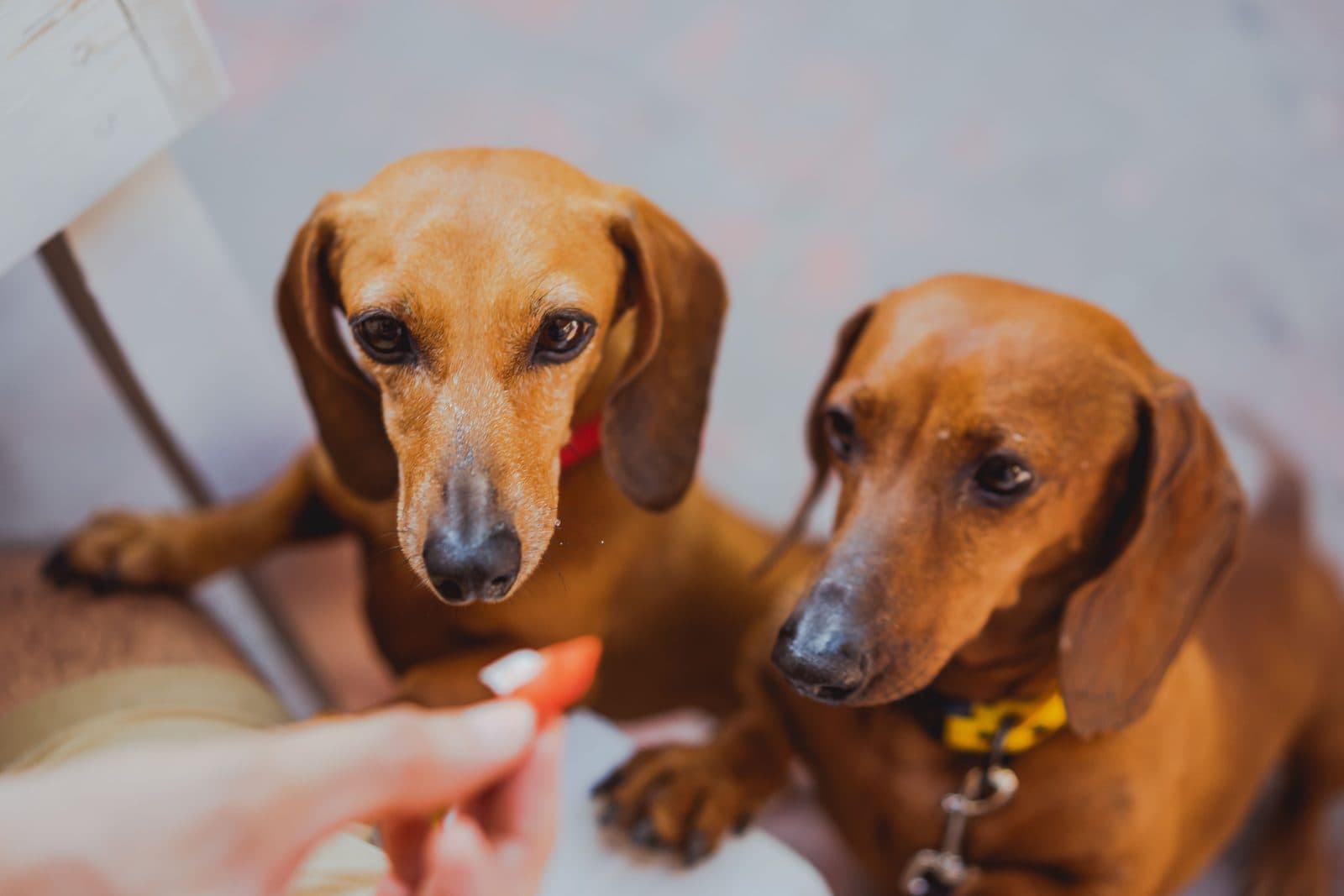
What a Miniature Dachshund costs to own
Cheap to feed, and priced by insurers almost entirely on one thing: the back.
Insurance
Higher than you would expect for a dog this small, because intervertebral disc disease is common enough and expensive enough to dominate the pricing. Spinal surgery is one of the larger claims an insurer sees, and some dachshunds have more than one episode.
What insurers are pricing for
These are risks the breed is predisposed to, not things your dog will get.
- Intervertebral disc disease (IVDD)
- The defining risk. The long back that made them useful underground puts unusual load on the discs. Outcomes range from crate rest to emergency surgery, and lifetime cover matters because it can recur.
- Dental disease
- Small mouths, crowded teeth. Regular scale and polish under anaesthetic is a recurring cost most owners do not budget for.
- Eye conditions
- Progressive retinal atrophy appears in the breed, with a DNA test available.
- Obesity
- Not a disease but a multiplier. Extra weight on that spine changes the odds on everything above, and it is the one factor entirely within your control.
Grooming
Depends on coat. Smooth needs almost nothing, wire needs stripping or trimming a few times a year, long needs regular brushing. None of them is expensive.
Size, food and kit
Small. Food, beds and kit are all cheap, and doses of flea and worm treatment sit at the bottom of the price bands.
The one people underestimate
Furniture and stairs. Letting a dachshund jump on and off a sofa daily is a small habit with a large bill behind it. Ramps and a harness rather than a collar are cheap insurance in the literal sense.
Getting a real number
We deliberately do not print premiums here. What you pay depends on your postcode, your dog’s age, the cover level and the month you ask, so any figure on a page like this is wrong for most people and out of date within a year. Get quotes from a few providers instead, and compare what the policies actually cover rather than the headline price.
"Every dog must have his day."
— Jonathan Swift
What a miniature dachshund is like to live with
Small, certain of itself, and considerably more dog than the size suggests. Miniature dachshunds were bred to go down a hole after an animal that would fight back, and that has left a dog with real determination and a habit of deciding things for itself. People who want a lapdog are sometimes surprised. People who wanted a terrier in a smaller package usually are not.
They bond hard, often to one person, and they are vocal. A dachshund that hears something at the door will tell you about it, at length. That is trainable but it is swimming upstream.
Origin and purpose
The breed was developed in Germany to hunt badgers, which is what the name means. The long body and short legs are not a design quirk, they are the job: a shape that could follow quarry underground. The miniature was bred down to work smaller burrows rather than to be a companion, which is why the temperament did not soften much on the way.
Exercise and training
Less than you would expect on distance, more than you would expect on stimulation. Two moderate walks and something to think about will do more than one long march. Scent games suit them enormously, being the thing they were built for.
Training works best with food and patience. Dachshunds are bright and entirely capable of learning, but they are not biddable in the way a collie is, and they will weigh up whether your suggestion is worth their while. Harsh handling makes them defensive rather than compliant.
Two practical rules that matter more for this breed than most: discourage jumping on and off furniture, and use a harness rather than a collar. Both are about the spine, which is the whole story with this breed.
Grooming
Three coat types, three different jobs. Smooth coats need almost nothing. Wire coats need hand-stripping or a decent trim a few times a year. Long coats need regular brushing to stay out of trouble. Ears want checking whichever coat you have.
Health
The dominant issue is intervertebral disc disease, and it is not a minor one. The same long back that made them useful underground puts unusual load on the discs, and a proportion of dachshunds will have an episode at some point. It can range from a few weeks of crate rest to emergency spinal surgery.
That single fact shapes almost everything about owning one: the harness, the furniture rule, keeping them lean, and the insurance.
Beyond the back, watch for eye conditions such as progressive retinal atrophy, which has a DNA test, and dental disease, which small dogs with crowded mouths are prone to.