
Insurance for Giant Breeds: How Age Rules Hit Great Danes, Mastiffs and Bernese Hardest
Giant breeds live shorter lives, so the age at which an insurer starts a co-payment or ends cover takes a much bigger bite. We compared the age rules and excluded breeds of ten UK insurers against UK lifespan data for Great Danes, mastiffs, Bernese and other giant breeds. Checked November 2026.
Published 8 November 2026
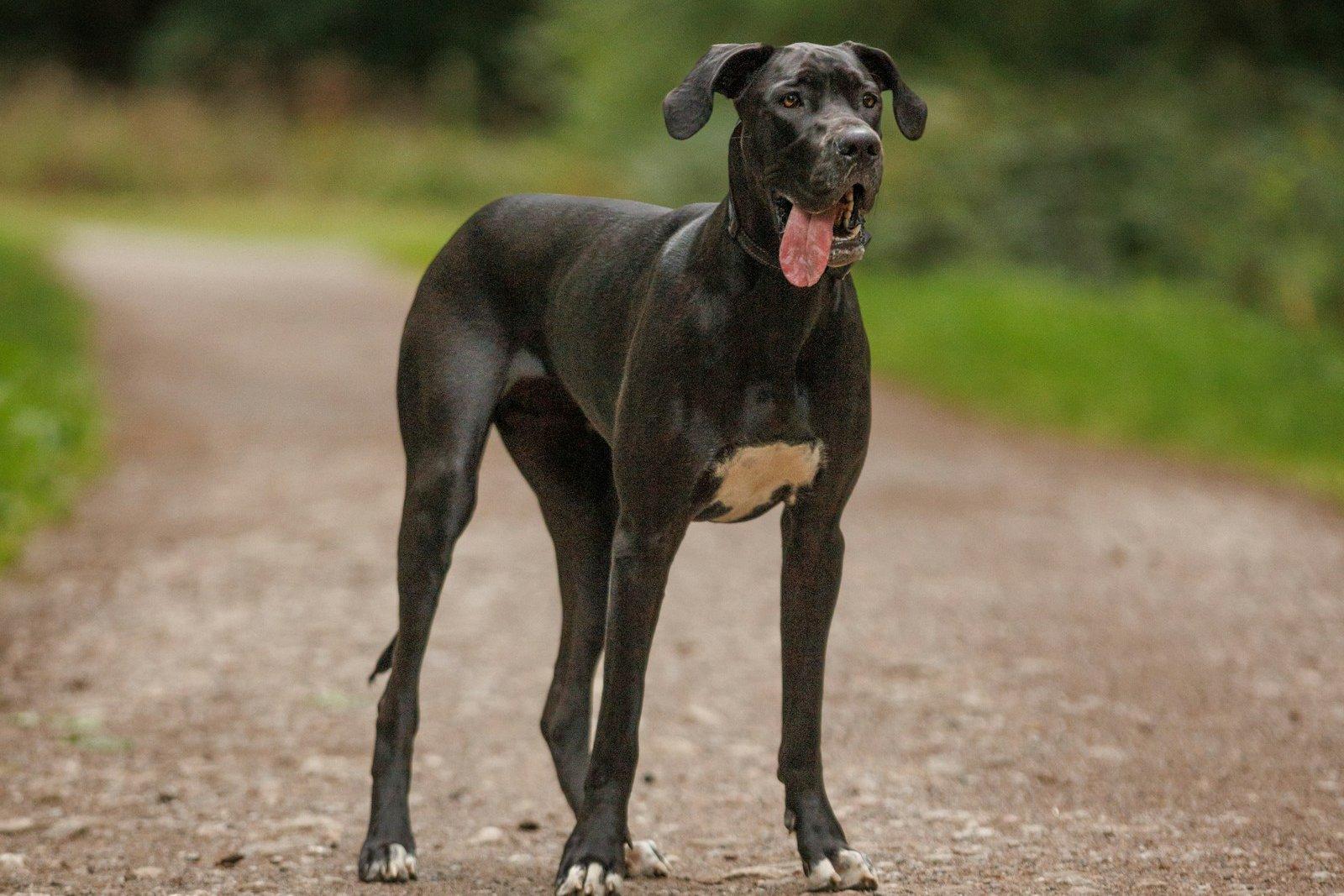
Giant breeds have short lives. A 2024 study of more than 584,000 UK dogs by McMillan and colleagues found a median lifespan of 12.0 years for crossbreeds, but around 9 to 11 years for most giant breeds.
That changes how you should read a pet insurance policy. Most insurers bring in a co-payment, or end some cover, at a fixed age. On a dog that lives to 13, an age rule at 7 affects the last part of its life. On a dog that lives to 10, it applies for nearly a third of it. We compared the age rules of the ten insurers in our guide to the best pet insurance with UK lifespan data for each giant breed. We have no policy to sell you, and no insurer pays us.
The short answer
- Most giant breeds can be insured with most of the ten. The Bernese mountain dog, Newfoundland, Irish wolfhound, Leonberger, St Bernard and English mastiff are not on any excluded list we checked. The Great Dane is excluded by one insurer, Perfect Pet.
- The age a co-payment starts matters more than usual. For a breed with a median lifespan of 9 or 10 years, a co-payment from 6 or 7 applies for a third of the dog's life.
- Waggel and Petgevity's Lifetime Plus make the co-payment optional, which suits a giant breed. Petplan and Post Office have stricter rules for some breeds that they do not publish.
How long giant breeds live
Median lifespans from the McMillan study, with crossbreeds and Labradors for comparison:
| Breed | Median lifespan |
|---|---|
| Cane corso | 8.1 years |
| Mastiff | 9.0 years |
| St Bernard | 9.3 years |
| Neapolitan mastiff | 9.3 years |
| Irish wolfhound | 9.9 years |
| Leonberger | 10.0 years |
| Bernese mountain dog | 10.1 years |
| Bullmastiff | 10.2 years |
| Great Dane | 10.6 years |
| Newfoundland | 11.0 years |
| Dogue de Bordeaux | 11.1 years |
| Crossbreeds | 12.0 years |
| Labrador retriever | 13.1 years |
The age rules, insurer by insurer
| Insurer | Co-payment | Other age rules |
|---|---|---|
| Waggel | Optional 20%, your choice at any age | No upper age limit to join |
| Petgevity Lifetime Plus | Optional, 0% to 30% | No compulsory co-payment at any age |
| Animal Friends | 20% from age 8 | Cover from any age |
| Perfect Pet | 15% from age 8 | Excludes some giant breeds, see below |
| ManyPets | 20% from the renewal after the 7th birthday | |
| Purely Pets | 20% from age 6, compulsory | Death-from-illness benefit not paid for dogs aged 9 or over |
| Petplan | An extra 20% excess from age 10, or 7 for "select breeds" | Death-from-illness cover ends at 8, or 5 for select breeds. Most dogs must join by 8, or 5 for some breeds |
| Post Office | From an age shown on your certificate | Death-from-illness benefit ends at 8, or 5 for some breeds |
| Pets at Home | 20% from an age set by breed group | Food and cremation limits also vary by breed group |
| Agria | Shown on your schedule | No upper age limit to join |
Three insurers set stricter rules for some breeds without publishing which ones. Petplan calls them select breeds, Post Office says "some breeds", and Pets at Home uses breed groups. In each case, the only way to find out is a quote or your certificate. Giant breeds are the obvious candidates, so ask before you buy. We have asked Petplan and Pets at Home for their lists and will add them here when they reply.
What the age rules cost on a giant breed
Take a co-payment of 20% from age 7 on a breed with a median lifespan of 10 years. From 7 onwards, you pay a fifth of every vet bill yourself, on top of the excess, for the three years when claims are most likely. On a £3,000 bill, that is £600 plus the excess.
A co-payment is not automatically bad. It lowers the premium, and an optional one lets you decide. Our guide to pet insurance co-payments works through when it pays off. But for a giant breed, a policy with no compulsory co-payment, or one that starts at 8 rather than 6, is worth a closer look.
Giant and mastiff breeds some insurers exclude
These breeds, and dogs crossed with them, are on at least one of the ten excluded lists:
| Breed | Excluded by |
|---|---|
| Great Dane | Perfect Pet |
| Neapolitan mastiff, Tibetan mastiff | Perfect Pet |
| Dogue de Bordeaux | Perfect Pet, Purely Pets |
| Bullmastiff | Purely Pets, Pets at Home |
| Rottweiler | Purely Pets |
| Boerboel | Perfect Pet, Post Office, Pets at Home |
| Cane corso | Animal Friends, Waggel, Petgevity, Perfect Pet, Purely Pets, Post Office |
| Anatolian shepherd and kangal | Animal Friends, Waggel, Petgevity, Perfect Pet, Pets at Home (Anatolian shepherd) |
| Caucasian shepherd | Animal Friends, Waggel, Petgevity, Perfect Pet, Pets at Home |
Not on any of the ten lists: Bernese mountain dog, Newfoundland, Irish wolfhound, Leonberger, St Bernard and the English mastiff.
Before you buy
- Check the breed is covered, including any cross.
- Ask the insurer, before you buy, whether your breed gets a stricter age rule, and at what age.
- Compare when the co-payment starts against how long your breed typically lives.
- Choose lifetime cover with a limit that resets every year, and a limit high enough for a big dog.
- Insure while your dog is young. Petplan, for example, will not start a policy on most dogs over 8, and some breeds over 5. Our guide to puppy insurance covers how to keep cover running from the breeder's free policy.
Sources
- McMillan KM et al. Longevity of companion dog breeds: those at risk from early death. Scientific Reports, 2024, supplementary table of median survival by breed
- Excluded breeds lists: ManyPets, Animal Friends, Waggel, Petgevity
- Policy documents: Agria lifetime dog policy, Petplan Covered For Life, ManyPets handbook for plans starting or renewing from 1 October 2026 from its handbooks page, Animal Friends £10,000 and £18,000 lifetime booklet, Waggel policy wording V22, Petgevity Lifetime Plus (July 2026), Perfect Pet lifetime policy wording (July 2026), Purely Pets policy wording, Post Office (P3324v9)
- Pets at Home: Pets Insurance policy wording (PETSPWLT0626), supplied by Pets at Home on request in October 2026
Excluded breeds lists, policy documents and the longevity study checked in November 2026. Insurers change their rules often, so always check before you buy.
Common questions
What is the best insurance for a Great Dane?
Lifetime cover from an insurer that covers the breed, with a co-payment that starts late or is optional. Perfect Pet excludes Great Danes. Waggel and Petgevity's Lifetime Plus let you choose whether to have a co-payment at all, which matters for a breed with a median lifespan of 10.6 years.
Why do giant breeds cost more to insure?
Insurers do not publish their breed pricing, so we cannot say exactly. Giant breeds have shorter lives, and a 2024 study of UK dogs found most of them at a higher risk of dying young than crossbreeds. Some insurers also apply tighter age rules to certain breeds, such as Petplan's earlier co-payment for what it calls select breeds.
What is a select breed with Petplan?
It is Petplan's term for breeds that get stricter age rules: a 20% extra excess from age 7 instead of 10, and death-from-illness cover that ends at 5 instead of 8. Petplan does not publish the list. Your certificate of insurance says whether your dog is a select breed. We have asked Petplan for the list.
Do any insurers exclude giant breeds?
Some exclude particular ones. Perfect Pet excludes the Great Dane, Neapolitan mastiff, Tibetan mastiff and Dogue de Bordeaux. Purely Pets excludes the Bullmastiff, Dogue de Bordeaux and Rottweiler. The Bernese mountain dog, Newfoundland, Irish wolfhound, Leonberger, St Bernard and English mastiff are not on any of the ten insurers' excluded lists.
Read next
Husky, Malamute and Akita Insurance: Which UK Insurers Cover Spitz Breeds and Their Lookalikes
We checked the excluded breeds lists of ten UK insurers. Huskies and malamutes are excluded by only one, Akitas by five, and lookalikes such as the Northern Inuit, Tamaskan and Utonagan by up to four. Plus the racing clauses that matter for sled and canicross dogs. Checked November 2026.

Insurance for Pugs, French Bulldogs and Bulldogs: The Small Print That Decides Whether Breathing Surgery Is Paid
Every one of the ten insurers we checked covers pugs, French bulldogs and bulldogs, and every limit is high enough for BOAS surgery. What decides whether a claim is paid is the small print on pre-existing conditions, elective surgery and turning down a vet's advice. Checked November 2026.
Staffie Insurance: Which UK Insurers Cover Staffordshire Bull Terriers, and the Crosses That Catch People Out
We checked the excluded breeds lists and policy documents of ten UK insurers. Nine cover the Staffordshire bull terrier, one does not, and several exclude Irish and American Staffies and their crosses. Plus what Staffies see the vet for and which policies pay for allergy food. Checked November 2026.