
Puppy Insurance in the UK: When to Get It and What to Look For
Why the best time to insure a puppy is before their first vet visit, how young each insurer will cover them, what happens when the breeder's free cover ends, and which insurers in our guide suit puppies best. Checked against the policy documents.
Published 15 October 2026

The best time to insure a puppy is before anything goes wrong, and with puppies that window is short. A first vet check, a bout of diarrhoea in the first week, or a limp after a tumble on the stairs can all become a pre-existing condition that a new policy will never cover.
Search for puppy insurance and the first page is all insurers and comparison sites. We have no policy to sell you. This guide uses what we found reading the full policy documents for our guide to the best pet insurance in the UK, plus the puppy schemes the big insurers run.
Why insure a puppy straight away
Pet insurance only covers problems that start after the policy does. Agria's policy document is typical: a pre-existing condition is an illness that first showed signs before the policy started, or anything with the same diagnosis or signs, or anything caused by it, wherever on the body it turns up. That exclusion lasts for the life of the policy.
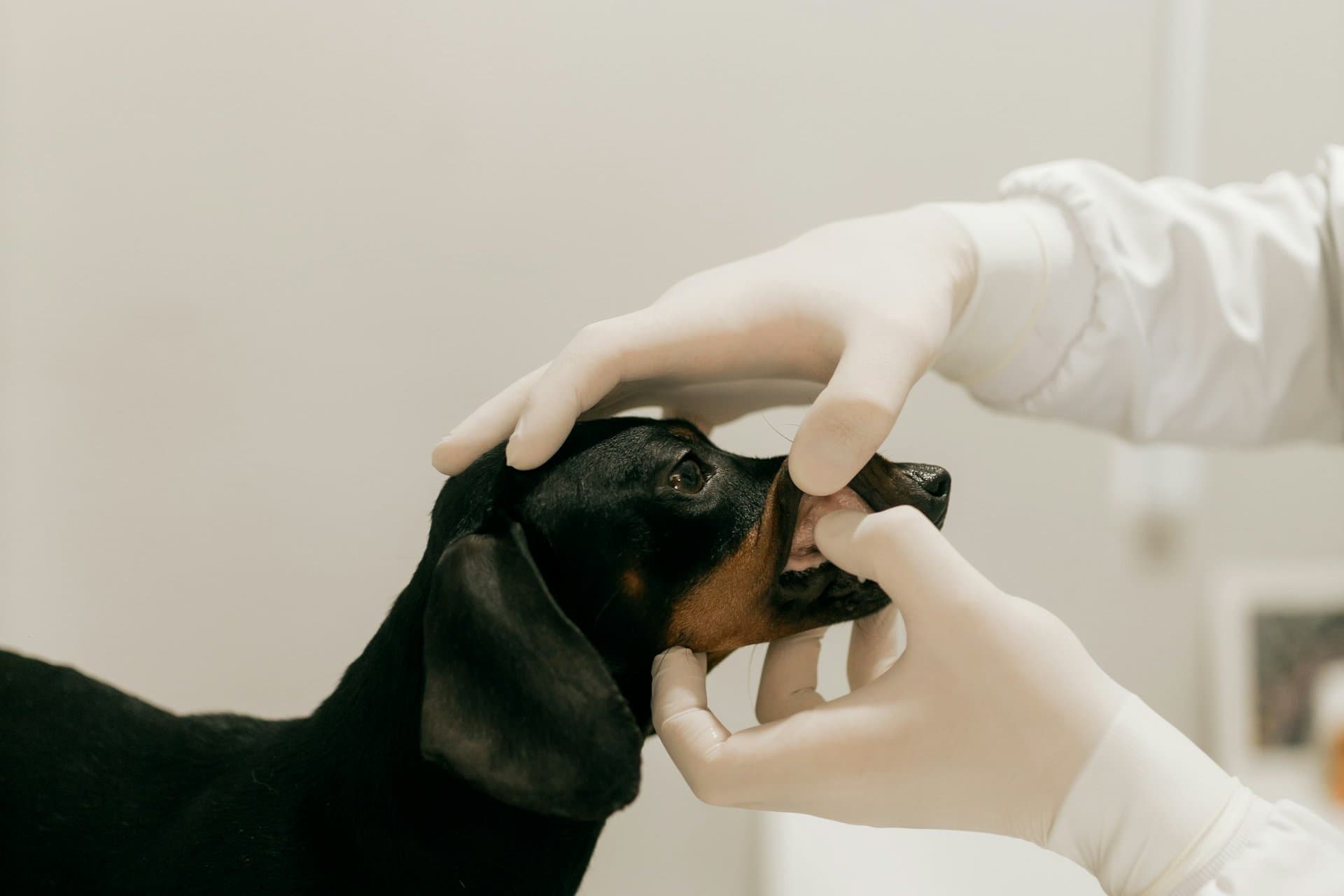
That is why timing matters more for puppies than for any other dog. Puppies see the vet a lot in their first months, and every visit goes on their record. Once a vet has written something down, any insurer you go to afterwards can treat it as pre-existing. Insure first, then book the first check.
It also means switching later is risky. A young, healthy dog can usually move insurer safely. A dog with a history cannot, so the insurer you pick for your puppy may well be the one you keep for life.
How young can a puppy be insured?
| Insurer | Youngest age |
|---|---|
| ManyPets, Animal Friends, Perfect Pet, Petgevity | 4 weeks |
| Petplan | 6 weeks |
| Agria (and Royal Kennel Club), Waggel, Purely Pets | 8 weeks |
Most puppies go home at 8 weeks or later, so all of these will take a puppy on the day you collect them. ManyPets says you can set your policy to start on the day your puppy arrives home.
Breeder free cover: what happens when it ends
Many breeders, rescues and vets hand over a few weeks of free insurance with a new puppy. The two big schemes work like this:
- Petplan's 4 Weeks Free comes through breeders, rescues and vets. It ends automatically after four weeks, with no obligation to buy. If you move to a full policy before it ends, Petplan says cover for illness and injury starts immediately, conditions claimed for during the free weeks stay covered, and you get 15% off the first year.
- Agria Free Cover, also offered through the Royal Kennel Club's breeder scheme, lasts five weeks (35 days in the policy wording) and pays up to £5,000 for illness or injury, with an excess on each claim. Agria's terms say the puppy must be at least 8 weeks old. Agria says that if you continue onto a full policy, any conditions diagnosed in the free period will continue to be covered.
The catch is the gap. If the free cover lapses and you buy a policy later, or from a different insurer, the new policy starts from scratch. Petplan warns that conditions claimed for under its free cover are likely to be treated as pre-existing by another insurer. Most new policies also make you wait 14 days before illness is covered, so a lapse can leave your puppy with no illness cover at all for two weeks.
None of this means you must stay with the breeder's insurer. It means you should decide before the free weeks run out, not after.
Waiting periods
Almost every policy has a waiting period before illness claims are paid:
- Agria: 10 days for illness, shorter than most
- Petplan, ManyPets, Purely Pets, Perfect Pet, Direct Line: 14 days for illness
- Waggel: 14 days for everything, accidents included
Accident cover usually starts sooner, from day one with Petplan, after 48 hours with ManyPets and Purely Pets, and after 5 days with Perfect Pet. Waggel is the exception, and for a puppy that chews, climbs and falls off sofas, a fortnight with no accident cover is worth knowing about.
Lifetime or time-limited?
For a puppy, lifetime cover is the one to look for. A lifetime policy gives you a fresh vet fee limit every year you renew, so a long-term condition such as a skin allergy or joint problem stays covered. A time-limited policy covers each condition for 12 months only, after which it is never covered again.
A puppy has its whole life ahead of it, and the conditions that cost the most over that life are the ones that last. Our guide to whether lifetime pet insurance is worth it works through the numbers.
What puppy insurance does not cover
Routine and preventative care is excluded almost everywhere. Agria's policy document lists vaccinations, routine castration and spaying, routine health checks, flea and worm products and teeth cleaning among the things it will not pay for. Petplan says vaccinations are not usually covered by pet insurance.
Keep up with vaccinations anyway, because your policy may depend on it. Agria requires a primary vaccination course and boosters, and will not pay for an illness you should have vaccinated against. Petplan and Purely Pets have similar rules. Budget for the first-year costs separately: our puppy's first year timeline sets out when each one comes up.
Some policies do cover a few puppy problems. Petplan says it covers hereditary and congenital conditions that had not shown symptoms before the policy started. Agria pays to remove retained testicles or retained baby teeth as long as your puppy was under 16 weeks old when the policy started and you have kept your cover going.
Which insurers suit puppies?
From the ten insurers in our best pet insurance guide:
- Agria is our top pick overall, and it has extra pluses for puppies: a 10-day illness wait, five weeks of free breeder cover that carries on into a full policy, and the retained teeth and testicles cover above. It sells lifetime cover only, up to £20,000 a year, or £25,000 through the Royal Kennel Club.
- Petplan covers from 6 weeks, has the 4 Weeks Free scheme, and its Claims Pricing Guarantee means your premium will not go up because you claimed. It is one of the pricier options, and its top limit of £12,000 is lower than several rivals.
- ManyPets takes puppies from 4 weeks and charges its excess once a year rather than per condition. A 20% co-payment starts from the first renewal after age 7, earlier than most rivals, which matters over a dog's whole life.
- Animal Friends covers from 4 weeks with high limits on a budget.
- Perfect Pet also covers from 4 weeks and is one of the cheapest routes into lifetime cover, but each condition is capped at £5,000 and you only have 90 days to claim.
- Waggel is simple and lets you choose your co-payment, but nothing is covered in the first 14 days, accidents included.
Two we would not choose for a puppy. Direct Line currently sells only time-limited cover. Purely Pets brings in a compulsory 20% co-payment from age 6 and excludes around 50 breeds.
Before you collect your puppy
- Ask the breeder whether they offer free cover, which insurer runs it, and when it ends.
- Get quotes for lifetime cover at the same vet fee limit from three or four insurers.
- Set your policy, or the switch from free cover, to start on the day your puppy comes home.
- Book the first vet check after the cover has started.
If you are bringing a puppy home over the festive season, our guide to getting a puppy at Christmas covers the rest of the planning.
Sources
- Agria: lifelong dog policy terms and conditions
- Agria: breeder free cover and the Agria Free Cover terms and conditions
- Royal Kennel Club Pet Insurance: 5 weeks free puppy insurance
- Petplan: 4 weeks free insurance
- Petplan: once my full policy starts, can I claim immediately?
- Petplan: can I insure a pet of any age?
- Petplan: when does my cover begin?
- Petplan: puppy insurance
- ManyPets: puppy insurance
- ABI: insurance payouts for pets top £1 billion for third year in a row (May 2025)
- Other insurer details from our best pet insurance guide and reviews, checked against each insurer's policy documents in October 2026
Puppy schemes and policy documents checked on 12 October 2026. Insurers change their policies often, so always read the policy documents before you buy.
Common questions
When should I insure my puppy?
As soon as you bring them home, and ideally with cover starting that day. Anything that shows signs before a policy starts counts as a pre-existing condition and is usually excluded for life. A puppy who has a runny tummy or a heart murmur noted at their first vet check before you insure them may never be covered for it.
How young can a puppy be insured?
It depends on the insurer. ManyPets, Animal Friends, Perfect Pet and Petgevity cover puppies from 4 weeks old, Petplan from 6 weeks, and Agria, Waggel and Purely Pets from 8 weeks. Most puppies leave their breeder at 8 weeks or older, so any of them will take a puppy on the day they come home.
What happens when the breeder's free puppy insurance runs out?
It simply ends, and your puppy has no cover. If you continue with the same insurer before it ends, conditions claimed for during the free weeks stay covered. Petplan says illness and injury cover on the full policy then start immediately. If you let it lapse and buy elsewhere, anything your puppy was treated for during the free weeks is likely to count as pre-existing.
Does puppy insurance cover vaccinations and neutering?
No. Vaccinations, routine neutering, flea and worm treatment and routine check-ups are excluded by almost every policy. Most insurers also expect you to keep vaccinations up to date, and will not pay for an illness a vaccine would have prevented if you let them lapse.
Is it worth insuring a puppy?
For most owners, yes. A young, healthy dog has no history yet, so that is when the most conditions can still be covered. Petplan says 90% of the claims it pays are for illness rather than injury, and UK insurers paid an average of £685 per claim in 2024, according to the Association of British Insurers.
How much is puppy insurance in the UK?
There is no single answer, because the price depends on breed, where you live, the vet fee limit and the excess you choose. We have not found a published industry average for puppies alone. The only way to know is to get quotes for your puppy from several insurers, comparing the same cover level each time.
Read next

Perfect Pet Insurance Review: Cheap Lifetime Cover, but Read the Caps First
Our Perfect Pet review: lifetime cover with a separate limit for every condition, insurance from 4 weeks old with no upper age limit, and the caps, 90-day claim deadline and exclusions we found in the full policy document.
ManyPets Pet Insurance Review: Flexible Cover, Including Pre-Existing Conditions
Our ManyPets review: four lifetime plans from £3,000 to £20,000 a year, a rare policy that covers some pre-existing conditions, one excess per year instead of per condition, a co-payment that starts earlier than most, and what we found in the full policy handbook.
Agria Pet Insurance Review: Is the UK's Top-Rated Insurer Worth It?
Our Agria review: lifetime-only cover up to £20,000 a year, no upper age limit to join, dental illness covered with conditions, five weeks free for rescue dogs, and what we found in the full policy booklet.