
ManyPets Pet Insurance Review: Flexible Cover, Including Pre-Existing Conditions
Our ManyPets review: four lifetime plans from £3,000 to £20,000 a year, a rare policy that covers some pre-existing conditions, one excess per year instead of per condition, a co-payment that starts earlier than most, and what we found in the full policy handbook.
Updated 28 October 2026
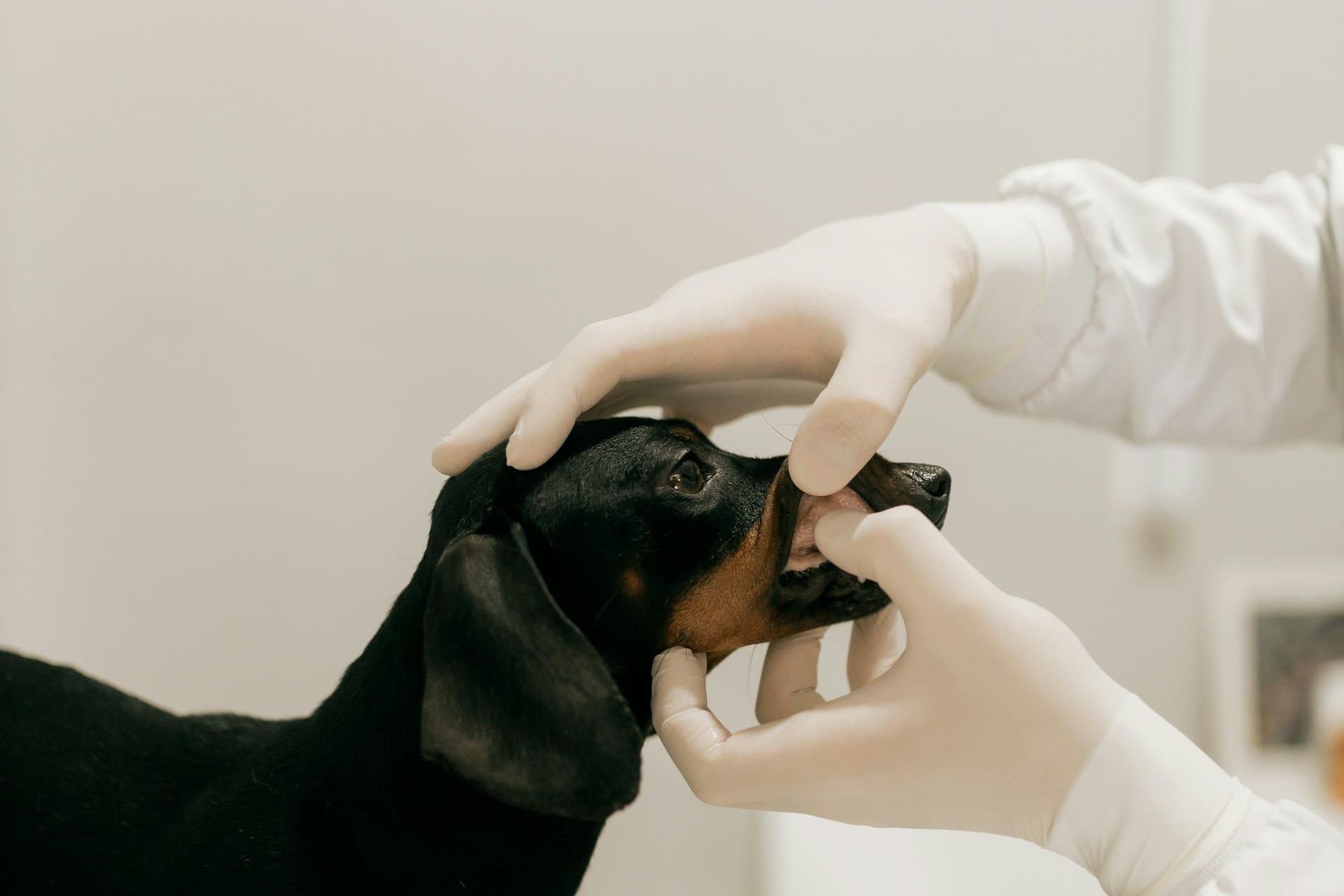
ManyPets is the best pick in the UK if your dog already has a medical history, and one of the best value routes to a high limit. Its plans run up to £20,000 of vet fees a year, it sells one of the few UK policies that covers some pre-existing conditions, and it charges the excess once a year rather than per condition. The catch is a 20% co-payment from age 7, earlier than most rivals. It ranks third in our guide to the best pet insurance providers in the UK.
ManyPets at a glance
| ManyPets lifetime cover | |
|---|---|
| Best for | Dogs with a medical history, and homes with several pets |
| Skip it if | Your dog is nearly 7 and you want to avoid a co-payment |
| Vet fees | £3,000 to £20,000 a year across four plans, reset every renewal |
| Pre-existing conditions | Up to £1,500 a year on Standard Care Pre-existing, if untreated for three months |
| Excess | Once a year, not per condition |
| Co-payment | 20% from the first renewal after your dog's 7th birthday |
| Joining age | No upper age limit |
| Multi-pet discount | Up to 15% |
| Trustpilot | 4.7 out of 5 from more than 38,000 reviews |
| Underwriters | Wakam UK and SCOR UK, from 1 October 2026 |
Checked against ManyPets' website and full policy handbook on 6 October 2026, Trustpilot on 28 October 2026.
Our verdict
ManyPets is the most flexible mainstream insurer in the UK. Its four plans run from a £3,000 budget policy to £20,000 a year on Complete Care, and it sells one of the very few UK policies that will cover some pre-existing conditions. It charges its excess once a year rather than per condition, which is a genuine saving for a dog who picks up more than one problem. The catch is the co-payment, which starts earlier than at most rivals.
What you get
All four plans are lifetime cover, with an annual limit that resets each year you renew.
| Plan | Vet fees per year | Dental |
|---|---|---|
| Essential Care | £3,000 or £5,000 | Accidents only, up to £1,000 |
| Standard Care | £7,000 or £10,000 | Accidents and illness |
| Standard Care Pre-existing | £7,000 | Accidents and illness |
| Complete Care | £15,000 or £20,000 | Accidents and illness |
From 1 October 2026 the policies are underwritten by Wakam UK and SCOR UK. Every plan includes unlimited 24/7 video calls with a vet, and there is a multi-pet discount of up to 15% on all four. There is no upper age limit to join.
The pre-existing plan is the standout. Standard Care Pre-existing covers up to £1,500 a year for conditions your dog already had, as long as they have not needed treatment for at least three months. After two years without symptoms, a condition is treated as new. Most insurers simply exclude anything your dog has had before.
What it costs
ManyPets tends to sit below the traditional premium insurers for similar limits, and the multi-pet discount makes it one of the better options for households with more than one pet. Complete Care at £20,000 is naturally the most expensive plan, and the pre-existing plan costs more than Standard Care because of the extra risk it takes on. Quote on at least two plans, because the step between them is often smaller than you expect.
The catches
- The co-payment starts at 7. From the first renewal after your dog turns 7, you pay 20% of every claim on top of the excess. Many rivals wait until 8, 9 or 10.
- Essential Care is much thinner. It covers dental accidents only, caps MRI scans and cruciate treatment at £1,000, and leaves out behaviour, food and euthanasia.
- Dental claims depend on check-ups. You need a vet check-up in the 12 months before a dental claim, and recommended treatment done within 6 months.
- The pre-existing cover has limits. It is £1,500 a year, and chronic conditions that need ongoing treatment are unlikely to qualify.
The small print, in short
We read ManyPets' full policy handbook (October 2026). These are the points that are easy to miss.
- One excess a year. You pay the excess once per pet per plan year, however many conditions you claim for. Most insurers charge it per condition.
- Older problems can become covered. On any plan, a condition with no signs or treatment in the 24 months before your cover starts is covered. In some cases, untreated signs of a condition can become covered once your dog has been insured for more than 12 months.
- A strict history question. ManyPets will not insure a dog that has ever been in a fight, been aggressive, attacked or bitten, or a dog whose owner has been turned down by another insurer.
- Food is partly covered. Prescription food is covered up to between £200 and £500 a year, depending on the plan, except on Essential Care. Most insurers pay nothing.
- Six months to claim. Claims must reach ManyPets within 6 months of treatment.
- Liability cover is narrower than it looks. It can be removed for breeds ManyPets treats as high risk.
- Travel is EU only unless you take Complete Care.
- No cap on renewal rises. The handbook says there is no limit to how much your premium can go up, and if you cancel after a claim you pay the rest of the year.
Should you buy it?
If your dog already has a medical history, ManyPets' pre-existing plan may be one of your only real options, and it is worth a quote before you assume nothing will cover them. It is also a strong pick for multi-pet homes, and for anyone who wants a £15,000 to £20,000 limit without paying premium-insurer prices. If your dog is approaching 7, factor the co-payment in: our guide to pet insurance co-payments shows what it adds to a claim. For a later co-payment, Petplan waits until 10 for most dogs, and Waggel never forces one. For the highest limits with no age limit to join, compare Agria, and see all ten in our full UK pet insurance guide.
Sources
- ManyPets: dog insurance and multi-pet insurance
- ManyPets: dental cover
- ManyPets policy handbook, 1 October 2026 (from the ManyPets website)
- ManyPets Complete Care policy summary (IPID)
- Post: ManyPets overhauls product range, June 2025
- Trustpilot: ManyPets
Details and the full policy document checked on 6 October 2026. Insurers change their policies often, so always read the policy documents before you buy.
Common questions
Does ManyPets cover pre-existing conditions?
Yes, on one plan. Standard Care Pre-existing covers up to £1,500 for pre-existing conditions within its £7,000 annual limit, as long as the condition has not needed treatment for at least three months. Chronic ongoing conditions are unlikely to qualify, so check the policy wording against your dog's history.
Is ManyPets the same as Bought By Many?
Yes. Bought By Many rebranded as ManyPets, and in June 2025 it relaunched its whole UK range with the four current plans: Essential Care, Standard Care, Standard Care Pre-existing and Complete Care.
At what age does ManyPets add a co-payment?
A 20% co-payment is added automatically from the first renewal after your dog turns 7. That is earlier than many insurers, where it often starts at 8, 9 or 10.
Does ManyPets cover dental illness?
Yes, on Standard Care, Standard Care Pre-existing and Complete Care, which all cover dental accidents and illness. Essential Care covers dental accidents only, up to £1,000. Dental claims need a vet check-up in the 12 months before, and any recommended treatment done within 6 months.
Who underwrites ManyPets?
From 1 October 2026, ManyPets policies are underwritten by Wakam UK (60%) and SCOR UK (40%). Your policy documents name the insurers behind your cover.
Read next

Purely Pets Insurance Review: Lots of Choice, but a Co-Payment From Age 6
Our Purely Pets review: 15 lifetime cover levels up to £15,000 a year, no upper age limit to join, and the 20% co-payment from age 6, cruciate cap and breed exclusions we found in the full policy document.

Husky, Malamute and Akita Insurance: Which UK Insurers Cover Spitz Breeds and Their Lookalikes
We checked the excluded breeds lists of ten UK insurers. Huskies and malamutes are excluded by only one, Akitas by five, and lookalikes such as the Northern Inuit, Tamaskan and Utonagan by up to four. Plus the racing clauses that matter for sled and canicross dogs. Checked November 2026.
Insurance for Giant Breeds: How Age Rules Hit Great Danes, Mastiffs and Bernese Hardest
Giant breeds live shorter lives, so the age at which an insurer starts a co-payment or ends cover takes a much bigger bite. We compared the age rules and excluded breeds of ten UK insurers against UK lifespan data for Great Danes, mastiffs, Bernese and other giant breeds. Checked November 2026.