
Booking Kennels or a Dog Sitter for Christmas: Licences, Jabs and What to Check
Good kennels fill up fast for Christmas. How to check a boarding licence and star rating with your council, when to book the kennel cough vaccine, what to look for on a visit, what to pack, and what your pet insurance will and won't pay.
Published 4 November 2026
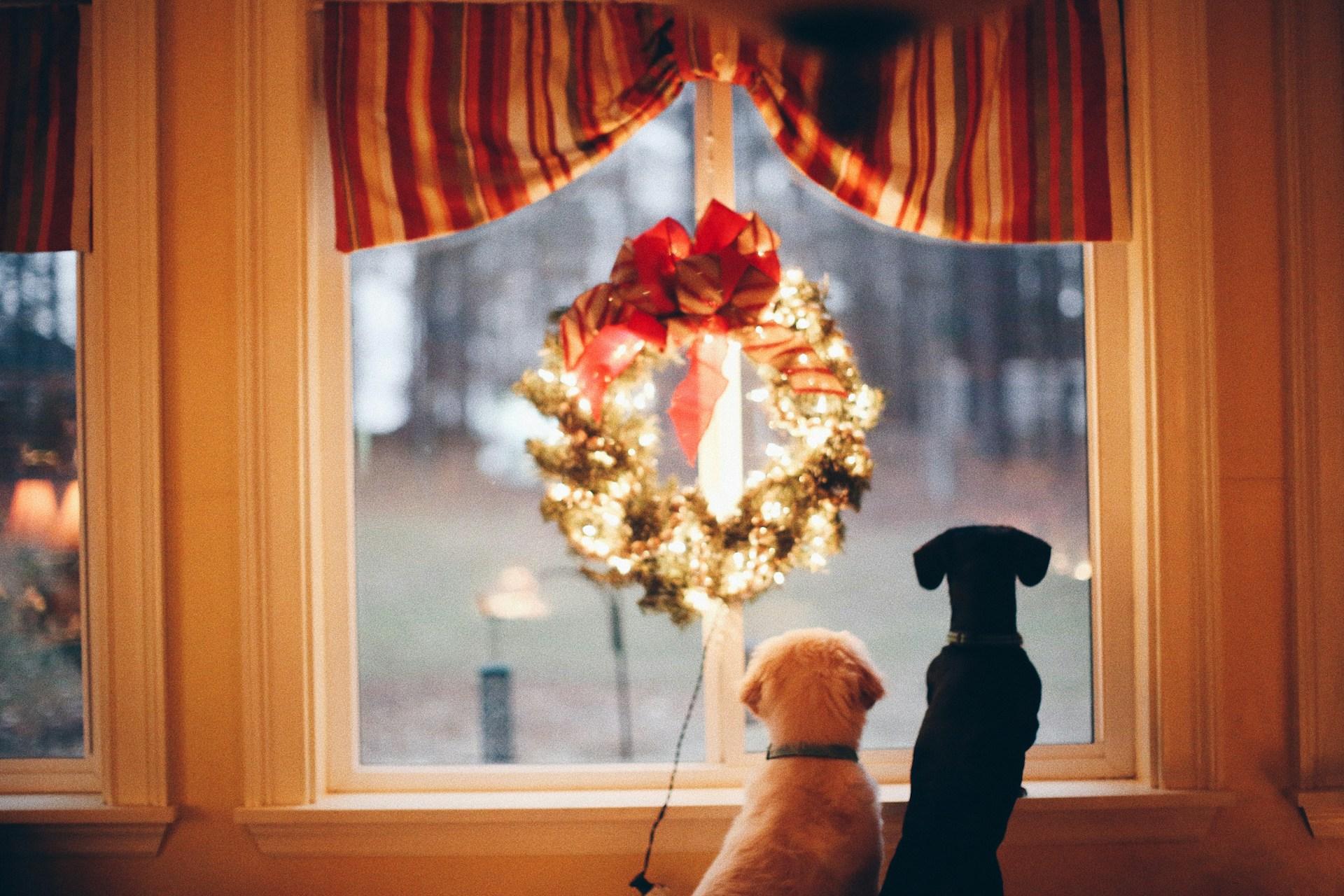
Christmas Day 2026 falls on a Friday, with the Boxing Day bank holiday moved to Monday 28 December. That long weekend means plenty of people want to be away at the same time, and the best kennels and sitters get booked up early. PDSA warns that good boarding places often fill up during busy holidays like Christmas, so if you are going away, the time to book is now.
Here is how to find somewhere safe, check it is properly licensed, and get your dog ready in time.
Book Early, Then Check Properly
Get your dates in, but don't let the rush push you into booking somewhere you haven't checked. Ask friends and your vet for recommendations, then visit in person before you hand over a deposit. PDSA's advice is not to rely on websites.
If a place is full, ask to go on a waiting list. Christmas plans change, and spaces do come back.
The Licence: What the Law Says
England
Since October 2018, dog boarding in England has been licensed by local councils under the Animal Welfare (Licensing of Activities Involving Animals) (England) Regulations 2018. This covers boarding kennels, dog day care and home boarding, where someone looks after your dog in their own house.
Each licensed business is inspected and given a star rating from 1 to 5. The rating depends on the welfare standards the inspector finds and how risky the business is judged to be, and it sets how long the licence lasts, from one to three years. Five stars is the top. PDSA recommends looking for a five star rating.
The rating is added to the licence, and the business should display it. Government guidance also says councils should list licensed businesses and their ratings on their websites.
Home boarders and dog sitters
The difference that matters is where your dog stays.
- Someone who boards your dog in their home as a business needs a council licence. Government guidance says an activity is a business if it makes a profit or earns a fee or commission, and agencies that arrange home boarding are covered too. Someone earning less than the HMRC trading allowance of £1,000 a year is not treated as a business.
- A sitter who looks after your dog in your own home does not need a licence. The guidance puts dog sitters and dog walkers who care for dogs in the owner's home outside the rules.
So a house sitter can be a great option, but there is no council check behind them. Ask for references, and meet them with your dog before Christmas.
Wales and Scotland
Wales and Scotland have not adopted the English system. In both, boarding is still licensed by the local council under the Animal Boarding Establishments Act 1963, and there is no star rating. GOV.UK says you need a licence even if you are only looking after a small number of animals in your own home, so home boarders need one too. Running without a licence can mean a fine of up to £500, up to three months in prison, or both.
How to check a licence
- Ask the kennel or home boarder for their licence number and the name of the council that issued it.
- Look for the business on that council's list of licensed animal businesses, usually on the licensing or environmental health pages.
- If it isn't listed, contact the council's licensing team and ask. You can find your council on GOV.UK.
- In England, check the star rating and the expiry date on the licence itself.
Vaccinations: Sort Them Now
Licensed boarders in England must see a vet record showing your dog is up to date against parvovirus, distemper, infectious canine hepatitis and leptospirosis. If your dog is a young puppy, the primary course must be finished at least two weeks before they are accepted. Unvaccinated dogs will be turned away.
Kennel cough is the one that catches people out. It isn't a legal requirement, but most kennels ask for it, and PDSA says reputable kennels and day care centres usually want it given two to three weeks before the stay. It lasts 12 months and lowers the risk rather than ruling it out.
If your dog's booster or kennel cough vaccine falls in December, ring your vet in November. Vet appointments get busy before Christmas too.
What to Check on a Visit
Government guidance sets the minimum standards for licensed boarders in England. Use them as your checklist:
- Do they ask about your dog? A good boarder will want your vet's details, vaccination dates, and your dog's medical and behaviour history.
- Who is their vet? Kennels must be registered with a vet within reasonable travel distance, with an out-of-hours number ready for staff. Ask which practice, and what happens on Christmas Day.
- Does your dog get their own space? At kennels, only dogs from the same household can share a kennel unit. In home boarding, each dog or household should have its own room, and dogs from different homes can only mix with every owner's written consent.
- How much exercise? Kennel dogs must be exercised away from their kennel at least once a day, and no more than six dogs can be walked by one person at a time. Higher-rated kennels give two walks of at least 20 minutes.
- Will your dog be left alone? Home-boarded dogs must not routinely be left alone for more than three hours in 24.
- Is it clean, warm and quiet? Trust your nose and your gut. If you are not allowed to see where your dog will sleep, walk away.
What to Pack
- Their vaccination record, to hand over at drop-off.
- More than enough of their usual food. A sudden change of diet is the last thing you want over Christmas.
- Any medication, with enough to cover the whole stay and clear written instructions.
- A blanket that smells of home and a favourite toy, which PDSA says can help them settle.
- Your contact details and your vet's, plus someone local who can make decisions if you can't be reached.
Make sure your dog's tag and microchip details are up to date before you go. And tell your boarder not to accept festive treats from visitors. Our guide to Christmas foods dogs can't eat and our page on mince pies explain why.
Insurance: What It Will and Won't Pay
There are two separate questions here.
If your dog falls ill or is hurt while boarding. Most policies cover vet fees wherever your dog is in the UK, but not all. Perfect Pet's lifetime policy wording excludes any claim where your pet is being looked after by pet sitters, pet walkers, kennels, catteries or groomers. Read the vet fees exclusions in your own policy before you book. Agria also excludes illnesses dogs are usually vaccinated against if your dog has not been vaccinated, which is one more reason to keep boosters up to date.
If you end up in hospital and someone has to look after your dog. Many policies include an emergency boarding benefit, but the details differ:
- Petplan Covered For Life pays boarding fees, or £30 a day for someone to care for your dog, up to £2,000, if you or a family member who lives with you stays in hospital for two or more nights.
- Agria Lifetime Premium pays up to £2,000 for a licensed kennel or a minder if you or a close family member are in hospital for three or more days in a row, and for up to 14 days after you come home if you still can't care for your dog. On this policy it is an optional section, so it only applies if you chose it.
- Perfect Pet pays emergency boarding only after more than four nights in hospital, and only if the kennel or minder is licensed.
None of these pay because you went on holiday. Compare boarding cover, and the rest of the small print, in our UK pet insurance guide.
A Simple Timeline
- Early November: shortlist, visit and book. Check the licence.
- Mid November: book any boosters and the kennel cough vaccine with your vet.
- Early December: confirm drop-off and collection times, which may change around the bank holidays.
- Drop-off day: vaccination record, food, medication, blanket and contact details.
Sources
- PDSA: 5 things you should know before putting your pet in a boarding kennel and kennel cough
- legislation.gov.uk: The Animal Welfare (Licensing of Activities Involving Animals) (England) Regulations 2018
- GOV.UK: animal activity licensing process guidance, dog kennel boarding guidance, home boarding guidance and dog day care guidance
- GOV.UK: animal boarding establishment licence (Wales and Scotland)
- legislation.gov.uk: Animal Boarding Establishments Act 1963, section 1
- Scottish Borders Council: boarding establishment for animals
- GOV.UK: tax-free allowances on property and trading income
- GOV.UK: UK bank holidays
- Petplan: what does pet insurance cover?
- Agria Lifetime Premium dog insurance policy summary (IPID)
- Perfect Pet: Lifetime policy wording (AICL v1.1, July 2026)
Licensing guidance and policy documents checked on 12 October 2026. Insurers change their policies often, so always read your own policy documents.
Common questions
Do dog boarding kennels need a licence in the UK?
Yes. In England, kennels, home boarders and dog day care businesses need a licence from the local council under the Animal Welfare (Licensing of Activities Involving Animals) (England) Regulations 2018. In Wales and Scotland, boarding is licensed by the council under the Animal Boarding Establishments Act 1963, and that includes boarding dogs in your own home.
What does a kennel's star rating mean?
In England, every licensed boarding business gets a rating from 1 to 5 stars from the council inspector, based on its welfare standards and how risky the business is judged to be. Five stars is the highest. PDSA recommends looking for a five star rating. The rating is shown on the licence, which the business should display.
Does a dog sitter need a licence?
Not if they look after your dog in your own home. In England, government guidance says sitters and walkers who care for dogs in the owner's home are outside the licensing rules. Someone who boards your dog in their home as a business does need a licence.
How far ahead does my dog need the kennel cough vaccine?
PDSA says most reputable kennels and day care centres ask for it two to three weeks before the stay. Check the kennel's own rule when you book, because some set a specific gap, and ask your vet to fit it in well before your drop-off date.
Will my pet insurance pay for kennels if I end up in hospital?
Some policies will. Petplan's Covered For Life pays boarding fees, or £30 a day for a minder, up to £2,000 if you are in hospital for two or more nights. Agria offers up to £2,000 if you are in hospital for three or more days, but on its Lifetime Premium policy it is an optional extra. Check your own policy, because some insurers leave it out.
Read next

Halloween and Dogs: Sweets, Costumes, Glow Sticks and Trick-or-Treaters
Halloween is on a Saturday this year, with fireworks already on sale. The sweets that are dangerous to dogs, whether you should dress your dog up, what to do if they chew a glow stick, and how to handle a night of knocks at the door.
Seasonal Canine Illness: The Autumn Woodland Illness Every UK Dog Owner Should Know
Seasonal Canine Illness is a rare but serious illness that strikes dogs within three days of a woodland walk, mostly between August and November. The symptoms, where it has been seen, the harvest mite link, and why acting fast matters.
Are Conkers Poisonous to Dogs? Conkers, Acorns and Other Autumn Hazards
Yes, conkers and acorns are both poisonous to dogs, and whole ones can cause a blockage. What they do, how quickly symptoms start, how to tell conkers from sweet chestnuts, and what to do if your dog eats one.