
Are Conkers Poisonous to Dogs? Conkers, Acorns and Other Autumn Hazards
Yes, conkers and acorns are both poisonous to dogs, and whole ones can cause a blockage. What they do, how quickly symptoms start, how to tell conkers from sweet chestnuts, and what to do if your dog eats one.
Published 26 September 2026
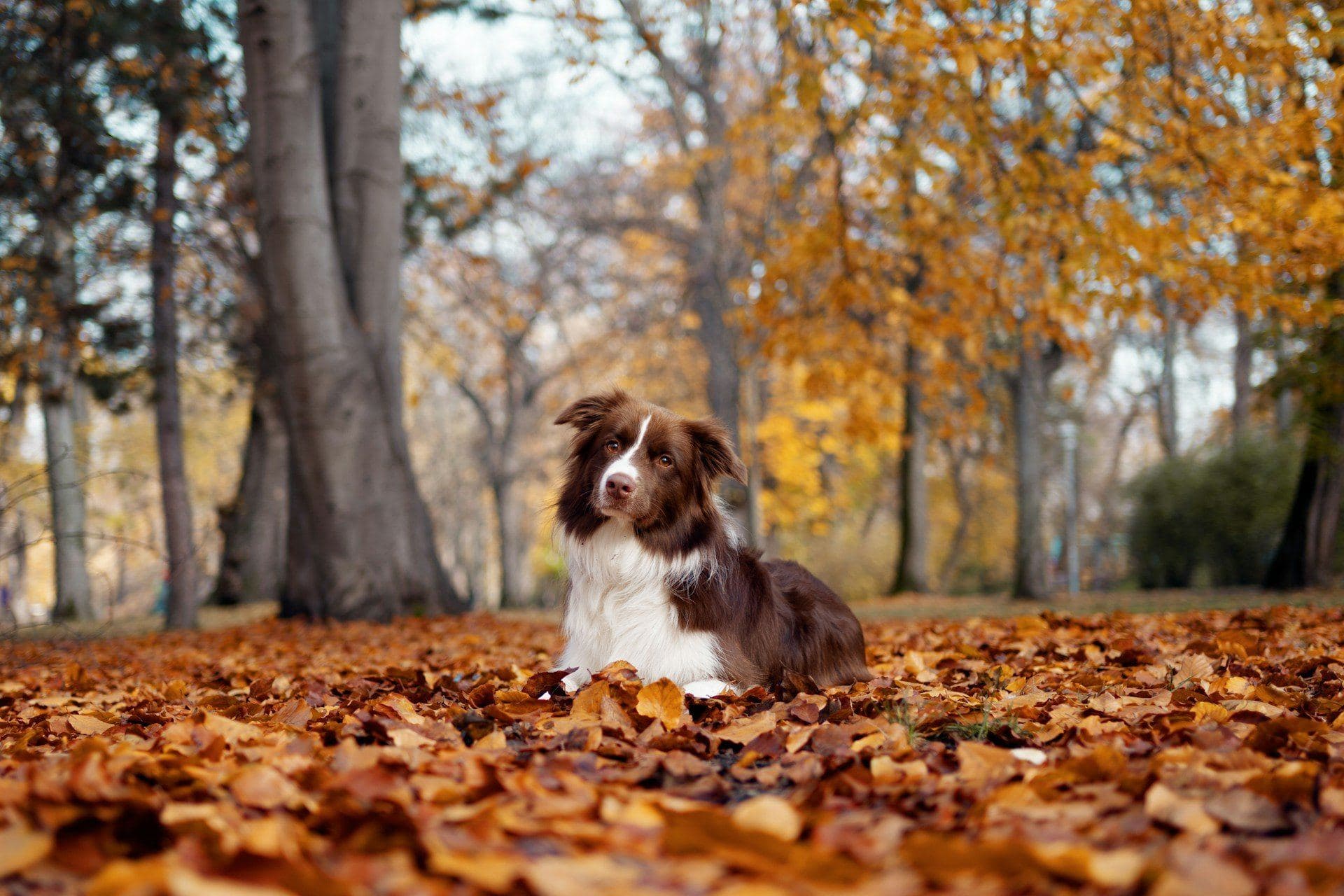
Autumn walks come with a hazard lying all over the ground. Conkers and acorns are both poisonous to dogs, and a dog who chases, carries or crunches them can end up with an upset stomach or, occasionally, something more serious.
The good news is that serious poisoning is rare. The Veterinary Poisons Information Service says that about a third of dogs who eat a conker show no signs at all, and that most dogs who are affected recover well. But because some dogs do become seriously ill, and a whole conker can get stuck, vets would always rather hear from you early.
Why Conkers Are Dangerous to Dogs
Conkers are the shiny brown seeds of the horse chestnut tree. They contain aesculin, a toxin found in every part of the tree, including the leaves and bark. There are around 470,000 horse chestnut trees in the UK, so most dogs walk past one regularly.
Conkers cause two different problems:
- Poisoning. Aesculin irritates the gut. A dog normally needs to eat several to be severely poisoned, but even one can make a dog unwell.
- Blockage. A whole conker, or its spiky case, can get stuck in the stomach or intestines, particularly in smaller dogs. This can need surgery.
There is no antidote for conker poisoning. Treatment is supportive: your vet may make your dog sick, wash out the stomach and give fluids through a drip.
Symptoms of conker poisoning
Signs usually start between one and six hours after eating, but can be delayed for up to two days:
- vomiting, sometimes with blood
- diarrhoea
- drooling
- tummy pain
- thirst
- loss of appetite
- restlessness, wobbliness or muscle tremors
Why Acorns Are Dangerous to Dogs
Acorns and oak leaves contain tannins, which irritate the gut. Signs can start within a few hours and include vomiting and diarrhoea, sometimes with blood, a tender tummy and lethargy. Occasionally a dog develops hives or swelling around the lips or eyes. In rare, severe cases, acorns have caused liver and kidney damage.
Like conkers, acorns are hard and sharp enough to cause a blockage, and the risk goes up with the number eaten and the smaller the dog. Acorns keep falling right through autumn and into winter, and some years produce far more than others. 2025 was a bumper year for oak and beech, and those come round every five to ten years.
Conkers or Sweet Chestnuts?
Horse chestnuts and sweet chestnuts are completely different trees, and the easy way to tell them apart is the case:
| Conkers (horse chestnut) | Sweet chestnuts | |
|---|---|---|
| Case | Thick, with short, stumpy spikes | Covered in fine spines, like a small green hedgehog |
| Inside | One round, glossy conker | Two or three nuts |
| Edible for people? | No | Yes, usually roasted |
Sweet chestnuts are not the ones vets warn about, but the spiky cases can hurt a dog's mouth and whole nuts can still cause a blockage, so it is best not to let your dog eat those either.
What to Do If Your Dog Eats a Conker or Acorn
- Take away anything else they have picked up, and note roughly how many they ate and when.
- Call your vet straight away, or an out-of-hours vet. Do not wait for symptoms.
- Do not try to make your dog sick at home. Vets Now's advice is never to induce vomiting unless a vet has told you to.
- Watch for signs of a blockage, such as repeated vomiting, refusing food, straining, a painful tummy or lethargy, especially over the next few days.
If you cannot reach a vet, Animal PoisonLine is a 24-hour service run by the Veterinary Poisons Information Service on 01202 509 000. It charges £35 per case on weekday daytimes and £45 at other times.
How to Keep Your Dog Safe on Autumn Walks
- Know where the trees are on your usual routes, and avoid the ground under horse chestnuts and oaks when the conkers and acorns are down.
- Swap the stick or conker game for a ball or a toy you bring from home.
- Teach a solid "leave it" and "drop", and reward your dog well for giving things up.
- Keep puppies and scavengers on a lead under trees in autumn. Puppies explore with their mouths.
- Clear your own garden if you have a horse chestnut or oak.
Other Autumn Hazards
- Wild mushrooms. There are thousands of species in the UK, and some, like the death cap, which grows under oak and beech from July to November, are deadly. Vets Now's advice is to assume all wild mushrooms could be harmful and call your vet if your dog eats one.
- Antifreeze. People top up their cars as the weather turns, and antifreeze tastes sweet to dogs. It is extremely poisonous, and the antidote works best within the first 8 to 12 hours, so call your vet immediately if you think your dog has licked any.
- Seasonal Canine Illness. A rare but serious illness linked to woodland walks between August and November. Our guide to Seasonal Canine Illness explains the signs to watch for.
Sources
Common questions
Are conkers poisonous to dogs?
Yes. Conkers, the seeds of the horse chestnut tree, contain a toxin called aesculin, which is found in every part of the tree. It usually causes vomiting, diarrhoea and tummy pain. Serious poisoning is rare, but a whole conker or its case can also get stuck in the gut, particularly in smaller dogs.
How long after eating a conker will a dog be ill?
Signs usually start between one and six hours after eating, but they can be delayed for up to two days. Call your vet as soon as you know your dog has eaten one, rather than waiting to see what happens.
Are acorns poisonous to dogs?
Yes. Acorns and oak leaves contain tannins that can cause vomiting, diarrhoea and tummy pain, and in rare, severe cases liver and kidney damage. Acorns are also hard and sharp enough to cause a blockage, especially if a dog eats a lot of them.
Are sweet chestnuts poisonous to dogs?
Sweet chestnuts come from an unrelated tree and are not the ones vets warn about. Their spiky cases and whole nuts can still hurt a dog's mouth or cause a blockage, though, so don't let your dog eat them either.
Should I make my dog sick if they ate a conker?
No. Vets Now's advice is never to try to make your dog vomit at home unless a vet has told you to. Call your vet instead. They may make your dog sick safely at the practice.
Read next
Why Are My Dog's Eyes Gunky? What Eye Discharge Actually Means
A bit of sleep in the corner of the eye is normal. Thick, coloured or returning discharge is not. Here is what each type usually means, the one question that narrows it fastest, and when it is a same-day vet job.
Dry Eye in Dogs (KCS): Symptoms, Treatment and What It Really Costs
Dry eye in dogs rarely looks dry. It looks gunky. Here is how to spot keratoconjunctivitis sicca early, what the vet will do, what treatment costs in the UK, and the one thing you must never put in the eye.
How to Get a Dog Used to the Vet: A Guide for Dog Owners
Help your anxious dog feel safe at the vet. Our complete guide covers vet socialisation, desensitisation, calming techniques, and what to do about fear or aggression.