
Halloween and Dogs: Sweets, Costumes, Glow Sticks and Trick-or-Treaters
Halloween is on a Saturday this year, with fireworks already on sale. The sweets that are dangerous to dogs, whether you should dress your dog up, what to do if they chew a glow stick, and how to handle a night of knocks at the door.
Published 17 October 2026
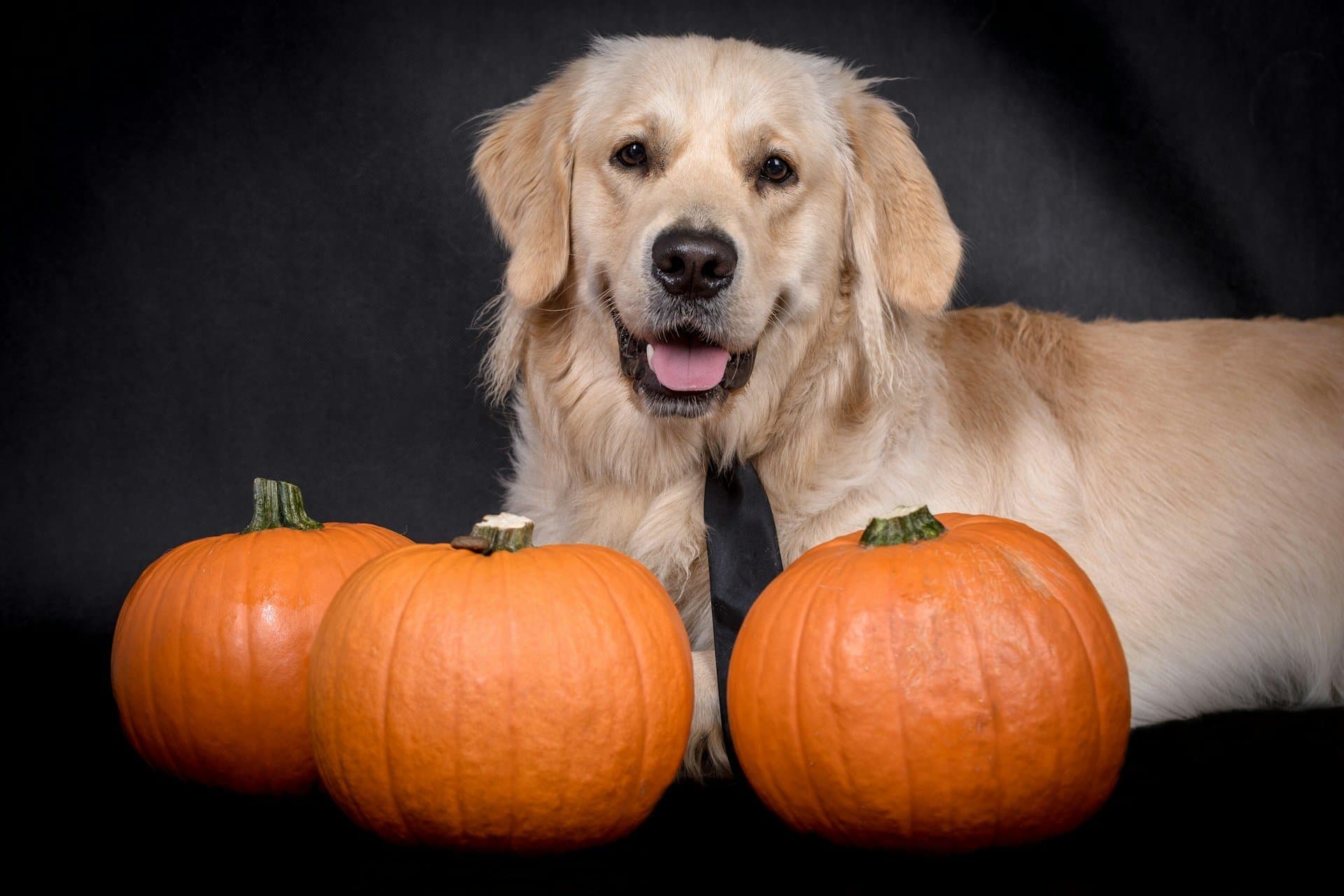
Halloween falls on a Saturday this year, 31 October 2026, the week after the clocks go back. Fireworks go on sale from 15 October, so for many dogs the scary season starts well before Bonfire Night.
Most Halloween dangers for dogs are easy to avoid once you know them. Here is what to watch for.
Sweets and Chocolate
A bowl of sweets by the door, a bag of treats dropped by a child, or a stash on the coffee table is how many Halloween trips to the vet begin.
- Chocolate contains theobromine, which affects a dog's gut, heart, nervous system and kidneys. Dark chocolate is the most dangerous, but milk chocolate is toxic too. PDSA warns that even a small amount of chocolate can be fatal. Vets Now has a free online calculator to check how much is dangerous for your dog's weight, but ring your vet whatever it says.
- Xylitol is a sweetener in many sugar-free sweets, chewing gum, cakes and diet foods. It causes a sudden drop in blood sugar in dogs, and high doses can cause irreversible liver damage. Symptoms such as weakness, wobbliness and collapse usually start within 30 minutes but can take up to 12 hours. Treat any xylitol as an emergency.
- Raisins, often handed out in little boxes as a healthier option, can cause kidney failure in dogs. There is no known safe amount.
- Wrappers and lolly sticks can cause choking or a blockage in the gut if your dog swallows them along with the sweets.
If your dog eats any of these, call your vet straight away. Do not wait for symptoms, and never try to make your dog sick at home.
Costumes: Should You Dress Your Dog Up?
Dog costumes are big business, but most animal welfare charities are not fans. PDSA's advice is that if clothing is not designed to keep your dog warm or safe, it is best to avoid it. The British Veterinary Association has called dressing pets up unnecessary and potentially harmful. The public seems to agree: in the RSPCA's 2023 Animal Kindness Index, 59% of people said dressing animals in clothes for fashion rather than warmth was unacceptable.
The problems with costumes are practical ones:
- they can restrict movement, sight and breathing
- they can make a dog overheat
- they hide the body language dogs use to talk to each other, which can cause misunderstandings with other dogs
- loose parts can be chewed off and swallowed, or cause tangling
- some are flammable, which matters around candles
If you want your dog in the photos, a simple bandana is a far kinder option. If you do try a costume, keep it short, supervised and loose, and take it off the moment your dog freezes, cowers, scratches at it or tries to walk out of it.
Glow Sticks
Dogs love to chew glow sticks. The liquid inside, mainly a chemical called dibutyl phthalate, is of low toxicity, but it is very bitter and irritating. A dog who bites one will often drool heavily, foam at the mouth and behave oddly, sometimes looking agitated, which can be alarming but usually passes quickly.
Rinse their mouth gently with water and offer a drink or a small snack to wash the taste away. Wipe any liquid off their fur so they do not lick more. Call your vet if they seem in pain, keep vomiting, or the liquid got into their eyes.
Pumpkins, Candles and Decorations
- Lit pumpkins are easily knocked over by a wagging tail, so keep them well out of reach, or use battery candles instead.
- Old carved pumpkins go mouldy quickly, and mouldy food can contain toxins that are dangerous to dogs. Bin them before your dog finds them.
- Plain cooked pumpkin in small amounts is fine for most dogs.
- Decorations such as fake cobwebs, plastic props and small toys can cause a blockage if chewed and swallowed.
Trick-or-Treaters and the Front Door
An evening of knocks, doorbells, strangers in masks and screaming children is a lot for many dogs. It is also a prime time for escapes, because the front door keeps opening.
- Walk your dog before dark, so they are tired and have been out before trick-or-treating starts.
- Set up a quiet room away from the front door, with their bed, a chew and the TV or radio on, and settle them there before the knocking begins.
- Cut down the knocking. PDSA suggests leaving treats outside so people do not need to knock.
- Never let your dog near an open front door. Use a baby gate or a closed door between them and the hall.
- Do not leave your dog in the garden on Halloween night.
- Check their tag and microchip details are up to date, in case they do get out.
The Fireworks Start Here
Halloween is often when the fireworks start. Shops can sell them from 15 October, and people often set them off early. If your dog is frightened of bangs, now is the time to get ready for Bonfire Night. Our guide on how to calm a dog during fireworks has a full plan, and our guide to Christmas foods dogs can't eat covers the next big food season.
Sources
Common questions
What Halloween sweets are dangerous to dogs?
Chocolate, anything sugar-free that contains xylitol, and raisins are the big three. Chocolate contains theobromine, which dogs cannot process well. Xylitol can cause a dangerous drop in blood sugar and liver damage, even in small amounts. Raisins can cause kidney failure. Wrappers and lolly sticks can also cause choking or blockages.
Is it OK to dress my dog up for Halloween?
PDSA's advice is that if clothing is not designed to keep your dog warm or safe, it is best to avoid it. Costumes can restrict movement, cause overheating, stop your dog communicating with other dogs, and be a choking or tangling risk. If you do dress your dog up, keep it brief, supervised and loose, and take it off the moment they seem unhappy.
My dog bit a glow stick. What should I do?
Don't panic. The liquid inside glow sticks is of low toxicity, but it tastes very bitter and is irritating, so dogs often drool heavily, foam at the mouth and act strangely for a short while. Rinse their mouth gently with water, offer a drink or a little food, and call your vet if they seem in pain, keep vomiting, or the liquid got in their eyes.
Can dogs eat pumpkin?
Plain cooked pumpkin is fine in small amounts, and PDSA even publishes a pumpkin dog treat recipe. Don't let your dog eat a carved pumpkin that has been sitting out, because mouldy food can contain dangerous toxins, and keep lit pumpkins well out of reach because of the fire risk.
How do I stop my dog getting stressed by trick-or-treaters?
Keep your dog in a quiet room away from the front door, with the radio or TV on, before the knocking starts. Walk them before dark. You can also leave a bowl of sweets outside so fewer people knock. And make sure the door is never open with your dog able to reach it.
Read next
Seasonal Canine Illness: The Autumn Woodland Illness Every UK Dog Owner Should Know
Seasonal Canine Illness is a rare but serious illness that strikes dogs within three days of a woodland walk, mostly between August and November. The symptoms, where it has been seen, the harvest mite link, and why acting fast matters.
Are Conkers Poisonous to Dogs? Conkers, Acorns and Other Autumn Hazards
Yes, conkers and acorns are both poisonous to dogs, and whole ones can cause a blockage. What they do, how quickly symptoms start, how to tell conkers from sweet chestnuts, and what to do if your dog eats one.
Why Are My Dog's Eyes Gunky? What Eye Discharge Actually Means
A bit of sleep in the corner of the eye is normal. Thick, coloured or returning discharge is not. Here is what each type usually means, the one question that narrows it fastest, and when it is a same-day vet job.