
Christmas Foods Dogs Can't Eat, and the Ones They Can
Mince pies, Christmas pudding, chocolate, stuffing and turkey bones are the big Christmas dangers for dogs. What each one does, how quickly symptoms show, what is safe to share from the dinner table, and exactly what to do if your dog eats something they shouldn't.
Published 7 November 2026
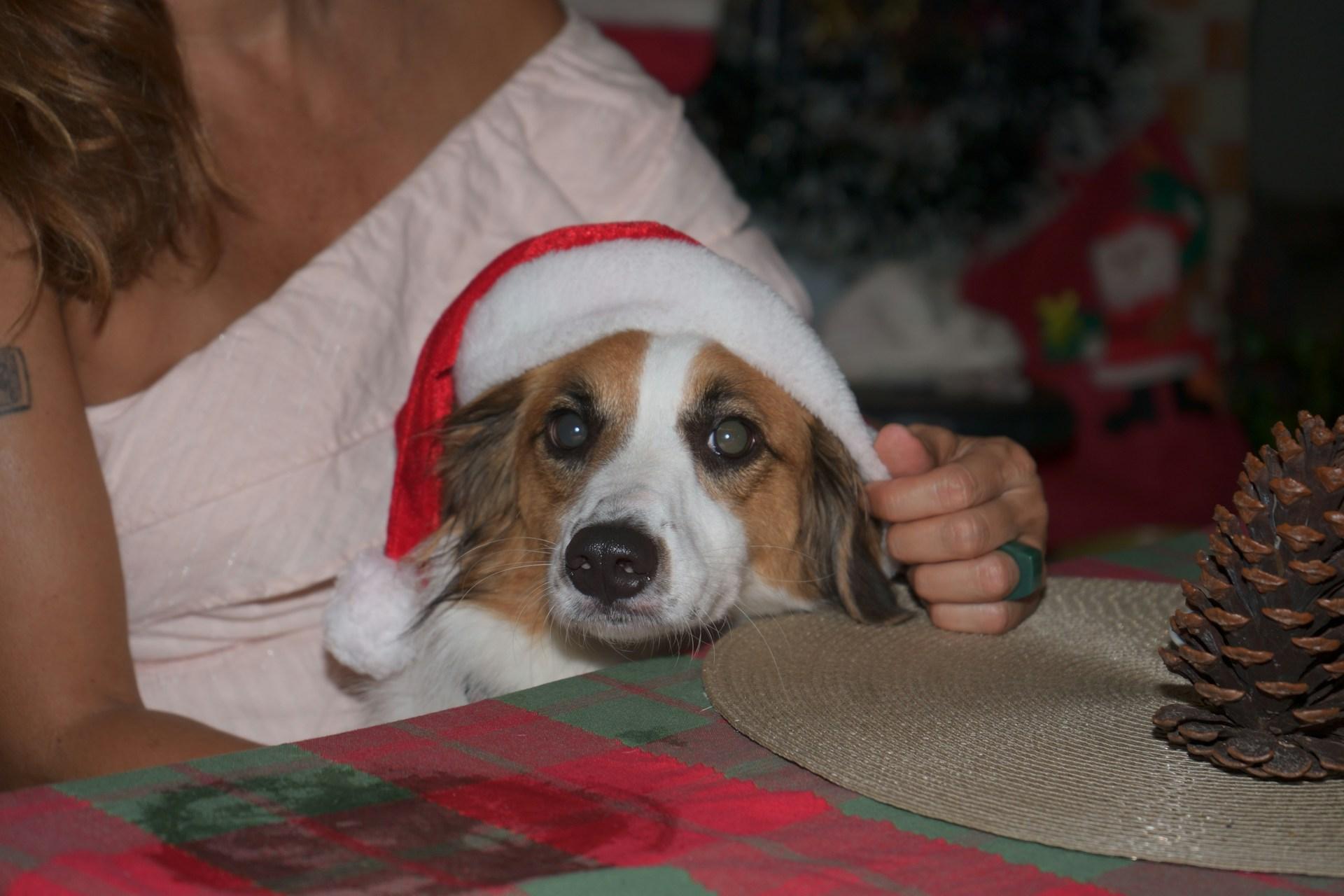
Christmas is a peak time for pet poisonings, and most of it comes from the kitchen. In a survey published by the British Veterinary Association in November 2025, 77% of vets said they had treated a dog for raisin or sultana poisoning in the past year. Around one in five of all chocolate cases reported to the Veterinary Poisons Information Service happen in December.
Most of it is avoidable. Here is what to keep away from your dog, what you can safely share, and what to do if something goes missing from the table.
The Christmas Foods Dogs Can't Eat
Mince pies, Christmas pudding, Christmas cake and stollen
These are the big one. They are all full of raisins, sultanas and currants, and dried fruit from grapes can cause sudden kidney failure in dogs. Vets still do not fully understand why some dogs react and others do not, although tartaric acid in the fruit is the leading suspect. That is why there is no amount vets can call safe for your dog. Some dogs eat a whole pie and are fine; others become seriously ill from much less.
Symptoms usually start with vomiting within 6 to 12 hours, and kidney damage can develop within 24 to 72 hours. Do not wait for symptoms. Dogs treated early have a very good outlook. We have a full guide on what to do if your dog ate a mince pie.
Chocolate
Chocolate contains theobromine, which dogs process very slowly. It affects the heart, nervous system and gut, and signs such as vomiting, restlessness, a racing heart and tremors can appear anywhere from 4 to 24 hours after eating.
The darker the chocolate, the more dangerous it is. Dark chocolate and cocoa powder are the worst, milk chocolate is less concentrated but still dangerous in quantity, and white chocolate is very unlikely to poison a dog. Watch out for selection boxes under the tree, chocolate tree decorations, and advent calendars left within reach. Dogs often eat the wrappers too, which can cause a blockage.
Xylitol in sugar-free sweets and baking
Xylitol is a sweetener found in some sugar-free sweets, chewing gum and baked goods, and occasionally in shop-bought mince pies. In dogs it causes a sudden release of insulin and a dangerous drop in blood sugar, and it has been linked to liver failure. Even a very small amount can be an emergency. Check the label of anything sugar-free before it goes anywhere near your dog.
Stuffing, gravy and anything with onion or garlic
Onions, garlic, leeks, shallots and chives damage a dog's red blood cells and can cause anaemia. They turn up all over a Christmas dinner: in stuffing, gravy, bread sauce and many sausages. The tricky part is the delay. Signs like weakness, pale gums and fast breathing often show up several days later, long after the meal has been forgotten.
Turkey bones and the carcass
Cooked bones become brittle and can splinter. They can cause choking, get stuck in the gut, or tear the stomach or intestines. A turkey carcass in the kitchen bin is a real temptation, so take the bin out or put it somewhere your dog cannot reach.
Fatty leftovers
Turkey skin, fatty trimmings, dripping, roast potatoes and pigs in blankets are not toxic, but a large amount of fat can trigger pancreatitis. It is painful and can be serious. Signs include repeated vomiting, a sore tummy, lethargy and a dog standing in a "praying" position with their bottom in the air.
Alcohol
Dogs are far more sensitive to alcohol than people, and even small amounts are dangerous. Keep drinks off low tables, and remember that Christmas pudding, trifle and some cakes contain alcohol too. Raw bread dough is a hazard as well, because it keeps rising in the stomach.
Blue cheese
Stilton and other blue cheeses contain a substance made by the mould that can cause vomiting, tremors and even seizures in dogs. Keep the cheeseboard out of reach.
Macadamia nuts
These cause weakness, wobbliness, tremors, vomiting and a high temperature, usually within 12 hours. They often turn up in festive biscuits and nut mixes.
Salt
Salty snacks, gravy and cured meats can cause vomiting and diarrhoea, and a large amount of salt is dangerous. Homemade salt dough decorations are a surprisingly serious risk, because they are packed with salt and dogs find them tempting.
What Your Dog Can Have From Christmas Dinner
PDSA's vets suggest you can safely make your dog a small plate from these, as long as they are plain, with no gravy, glaze, butter, sauce or seasoning:
- boneless, skinless white turkey meat
- carrots and parsnips
- Brussels sprouts
- green beans and peas
- broccoli and cauliflower
- carrot and swede mash made without onion
Keep it small. Treats and extras should make up no more than 10% of what your dog eats in a day, and it is worth cutting their next meal down to make room. A sudden rich meal can upset a stomach that is used to the same food every day.
The Non-Food Christmas Hazards
- Tinsel, ribbon and wrapping paper can cause blockages that need surgery.
- Batteries from new toys and gadgets can cause burns in the mouth and gut if chewed.
- Silica gel sachets are not toxic but can cause blockages.
- Antifreeze tastes sweet and causes kidney failure. Clean up any spills straight away.
- Poinsettia, mistletoe and ivy are low toxicity and usually only cause a stomach upset. Holly can upset the stomach too.
- Christmas tree needles can irritate the mouth and gut if eaten.
- Lilies are extremely dangerous to cats, though not to dogs, so keep them out of any home with a cat.
What to Do If Your Dog Eats Something They Shouldn't
- Move your dog away and stop them eating any more.
- Work out what they ate, how much and when. Keep the packaging if you can.
- Call your vet straight away, or your nearest out-of-hours vet if it is Christmas Day. Do not wait for symptoms.
- Do not make your dog sick yourself. Never use salt water, which can cause fatal salt poisoning.
If you cannot reach a vet, Animal PoisonLine is a 24-hour service run by the Veterinary Poisons Information Service on 01202 509 000. It charges a fee per case, currently £35 on weekday daytimes and £45 at other times, including bank holidays. Have your dog's weight, age and breed ready, along with what they ate, how much and how long ago.
Your vet will often give an injection that makes your dog vomit safely at the practice. For raisins and grapes this can still be worth doing hours later, because dried fruit can sit in the stomach for a long time. They may also give activated charcoal and put your dog on a drip to protect the kidneys.
A Few Habits That Prevent Most Emergencies
- Keep mince pies, chocolate and the cheeseboard on high surfaces, not coffee tables.
- Ask guests not to feed your dog, and tell children why.
- Put wrapped presents that might contain food somewhere your dog cannot reach. Dogs can smell chocolate through the paper.
- Take the bin out after dinner, especially if there is a turkey carcass in it.
- Give your dog their own treat or chew while everyone else is eating, so they have something to do.
New Year's Eve brings the other big festive risk for dogs: fireworks can legally go on until 1am. Our guide on how to calm a dog during fireworks has a plan for the night.
Sources
Common questions
Can dogs eat Christmas dinner?
Some of it. Plain, boneless white turkey meat and plain vegetables like carrots, parsnips, sprouts, green beans and peas are fine in small amounts. Leave out the skin, gravy, stuffing, bread sauce and anything cooked with onion or garlic, and never give turkey bones.
Can dogs eat turkey?
Yes, if it is plain, boneless white meat with no skin. The skin and fatty trimmings can trigger pancreatitis, and cooked bones can splinter and cause choking, blockages or tears in the gut.
Can dogs eat pigs in blankets or roast potatoes?
They are not poisonous, but they are very fatty and salty, so they are best avoided. PDSA's advice is that these are not dangerous but are high in fat. A single one is unlikely to cause harm to a healthy dog, but a plateful of leftovers can cause stomach upset or pancreatitis.
Can dogs eat Christmas pudding or Christmas cake?
No. Both are packed with raisins, sultanas and currants, which can cause kidney failure in dogs, and many also contain alcohol. If your dog eats any, call your vet straight away.
Is poinsettia poisonous to dogs?
Only mildly. Its reputation is exaggerated. Chewing it can cause drooling, vomiting and loss of appetite, but serious poisoning is rare. Mistletoe and ivy are also low toxicity. Holly can upset the stomach, so keep all of them out of reach.
What should I do if my dog ate chocolate?
Work out what kind, how much and roughly when, then call your vet. Dark chocolate is by far the most dangerous, milk chocolate less so, and white chocolate is very unlikely to poison a dog. Vets Now has a free chocolate toxicity calculator online, but it is a guide, not a replacement for ringing your vet.
Should I make my dog sick if they ate something toxic?
No. Never try to make your dog vomit at home, and never use salt water, which can cause fatal salt poisoning. Your vet can give an injection that makes a dog sick safely, and for raisins and grapes it is often still worth doing several hours after they were eaten.
Read next
Bought Years Dog Food in a Shop? Where Each Retailer Stands
Years is sold in Pets at Home, Just for Pets and Pets & Friends. For eight days its recall notice spoke only to subscribers. Shop buyers can still return recalled packs for a refund, and can now get Years' free vet support. Here is exactly where you stand.
Years Dog Food Recall: All Fresh Meals Pulled After Reports of Sudden Dry Eye in Dogs
Years recalled its fresh dog meals over a possible buckwheat link to sudden dry eye. Its investigation has now reported. What it found, what it does not settle, and where refunds stand.
Why Do Dogs Eat Grass? What the Research Says, and When to Worry
Most dogs eat grass because they like it, not because they feel ill. What the biggest study found, the signs that change the answer, and the garden plants and chemicals that make grazing risky.