
Seasonal Canine Illness: The Autumn Woodland Illness Every UK Dog Owner Should Know
Seasonal Canine Illness is a rare but serious illness that strikes dogs within three days of a woodland walk, mostly between August and November. The symptoms, where it has been seen, the harvest mite link, and why acting fast matters.
Published 3 October 2026
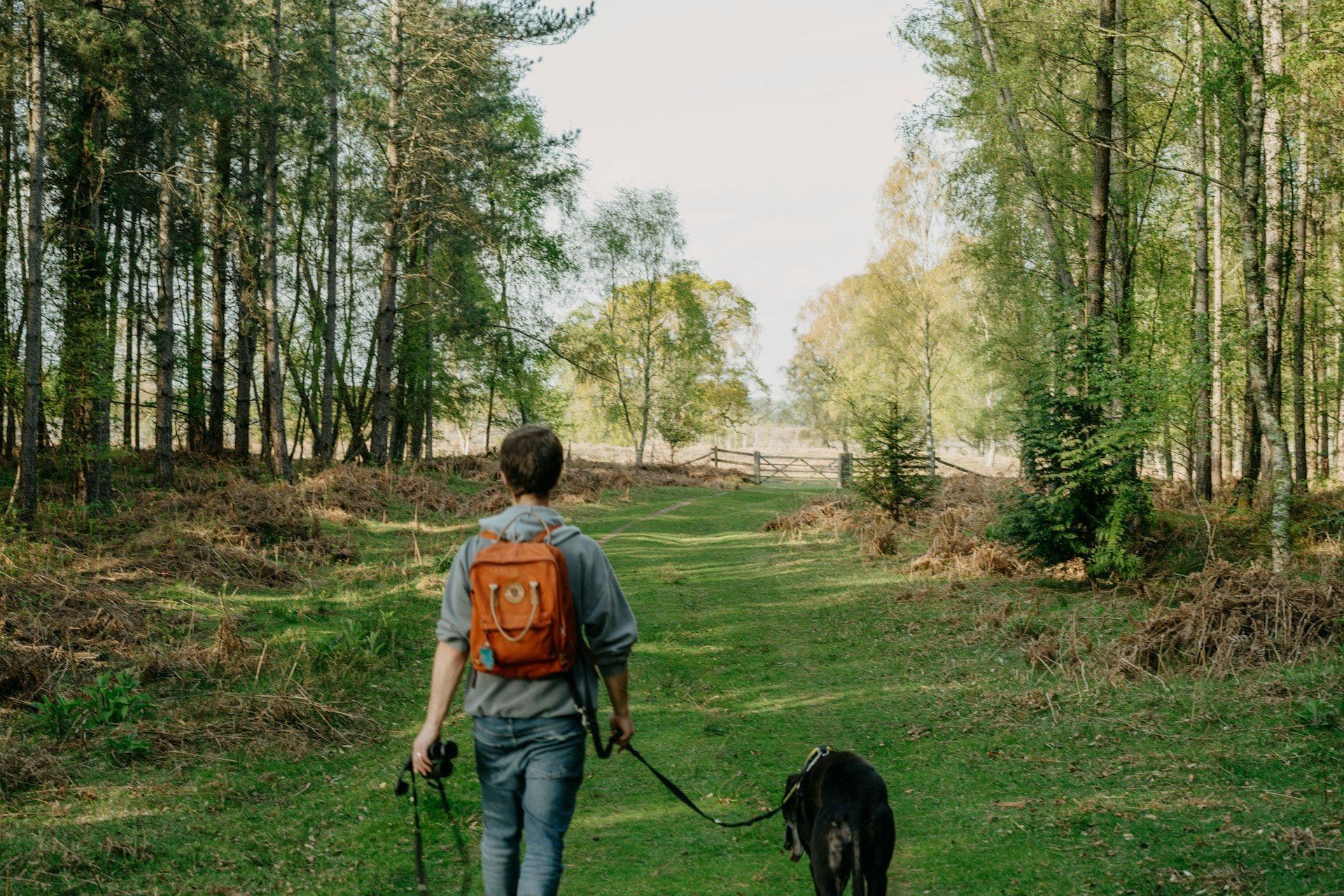
Seasonal Canine Illness, often shortened to SCI, is a rare but serious illness that affects dogs who have recently walked in woodland. It appears in autumn, mostly between August and November, and it comes on fast. Nobody yet knows what causes it.
It is not something to lose sleep over. Blue Cross describes it as very rare, and most dogs who get it recover when they are treated quickly. But because it can become severe within hours, it is worth knowing the signs before you head into the woods this autumn.
What Seasonal Canine Illness Looks Like
Signs usually appear within one to three days of a walk in woodland, and can become severe within a matter of hours:
- sudden vomiting
- diarrhoea
- lethargy and weakness
- tummy pain
- a high temperature
- muscle tremors or shaking
These signs can have many causes. The clue is the timing: a dog who suddenly becomes ill within three days of an autumn woodland walk.
What to Do If You Think Your Dog Has It
Call your vet straight away. Do not wait to see if it passes. Tell the vet that your dog has been walking in woodland in the last few days, because it helps them think of SCI, and it matters: the key to survival is fast, intensive treatment, including fluids to deal with dehydration.
The outlook for dogs treated early is good. When SCI was first recognised, about one in five affected dogs died. Within two years, as vets learned to treat it quickly and aggressively, that fell to fewer than one in fifty. Most dogs given intensive care recover within 7 to 10 days.
When and Where It Happens
SCI is seen from August onwards, peaks in September and tails off into November. It was first noticed around 2009 and 2010, when dogs became ill after walks on the Sandringham estate in Norfolk.
The Animal Health Trust went on to study cases linked to five areas:
- the Sandringham estate, Norfolk
- Thetford Forest, on the Norfolk and Suffolk border
- Rendlesham Forest, Suffolk
- Clumber Park, Nottinghamshire
- Sherwood Forest, Nottinghamshire
Cases have also been reported in Lincolnshire, Warwickshire and other parts of the UK, so it is not limited to these places.
What Causes It?
The honest answer is that nobody knows. The Animal Health Trust investigated the illness for several years, and the theory that it was caused by mushrooms has been discounted, but no cause has ever been confirmed.
The strongest suspicion falls on harvest mites. Many dogs with SCI were found to have them, which is why they became the focus of research. But lots of dogs pick up harvest mites every autumn without ever becoming ill, so a link has never been proven.
The research was never finished. The Animal Health Trust closed in 2020, and there is still no definitive answer.
Harvest Mites: What to Look For
Harvest mites are tiny, bright orange mites that are most active from July to November. On a dog they look like clusters of little red or orange dots, usually:
- between the toes and on the feet
- on the legs and in the armpits
- on the tummy and around the genitals
- sometimes around the ears
They cause intense itching and red, sore patches. On their own they are an itchy nuisance rather than a danger, and regular flea treatment makes a heavy infestation less likely. If you spot them, speak to your vet about treatment.
How to Reduce the Risk
There is no vaccine, and no guaranteed way to prevent SCI, because we do not know its cause. These steps are sensible in autumn, especially if you walk in woodland:
- Protect against harvest mites. Blue Cross suggests a preventative spray on your dog's paws and underside. No product is licensed specifically for harvest mites in dogs, so ask your vet what they recommend.
- Keep your dog on a lead in woodland in autumn, as Vets Now advises, so they are not deep in undergrowth.
- Make sure your dog drinks well on and after walks.
- Watch them closely for three days after a woodland walk, and call your vet at the first sign of illness.
- Check your local news, and consider walking elsewhere for a while if cases are reported in woods near you.
More Autumn Hazards
Woodland walks bring other risks at this time of year. Conkers, acorns and wild mushrooms are all poisonous to dogs. Our guide to conkers, acorns and other autumn hazards explains what to watch for.
Sources
Common questions
What are the symptoms of Seasonal Canine Illness?
Sudden vomiting, diarrhoea, lethargy, tummy pain, a high temperature and muscle tremors, usually within one to three days of a walk in woodland. Symptoms can become severe within hours, so contact your vet straight away and tell them where you have walked.
What causes Seasonal Canine Illness?
Nobody knows. The theory that mushrooms cause it has been discounted, and no other cause has been confirmed. Harvest mites are suspected because many affected dogs had them, but plenty of dogs pick up harvest mites and never become ill, so the link has not been proven.
Can dogs survive Seasonal Canine Illness?
Yes, most do if they are treated quickly. When the illness was first recognised, about one in five affected dogs died. Within two years, as vets learned to treat it early and aggressively, that fell to fewer than one in fifty. Most dogs given intensive treatment recover within 7 to 10 days.
When is Seasonal Canine Illness most common?
Between August and November, with a peak in September. It is linked to walks in woodland, and has been seen most often in East Anglia and Nottinghamshire, although cases have been reported elsewhere.
How can I protect my dog from Seasonal Canine Illness?
There is no vaccine or guaranteed prevention. Blue Cross suggests using a spray to protect against harvest mites on your dog's paws and underside, and asking your vet what is suitable. Keep your dog on a lead in woodland in autumn, make sure they drink plenty, and watch them closely for three days after a woodland walk.
Read next
Are Conkers Poisonous to Dogs? Conkers, Acorns and Other Autumn Hazards
Yes, conkers and acorns are both poisonous to dogs, and whole ones can cause a blockage. What they do, how quickly symptoms start, how to tell conkers from sweet chestnuts, and what to do if your dog eats one.
Why Are My Dog's Eyes Gunky? What Eye Discharge Actually Means
A bit of sleep in the corner of the eye is normal. Thick, coloured or returning discharge is not. Here is what each type usually means, the one question that narrows it fastest, and when it is a same-day vet job.
Dry Eye in Dogs (KCS): Symptoms, Treatment and What It Really Costs
Dry eye in dogs rarely looks dry. It looks gunky. Here is how to spot keratoconjunctivitis sicca early, what the vet will do, what treatment costs in the UK, and the one thing you must never put in the eye.