
Your Puppy’s First Year: A Timeline for UK Pet Owners
A practical UK timeline for your puppy's first year: vaccination schedule, when puppies can go outside, fear periods, house training and the socialisation window.
Updated 1 August 2026
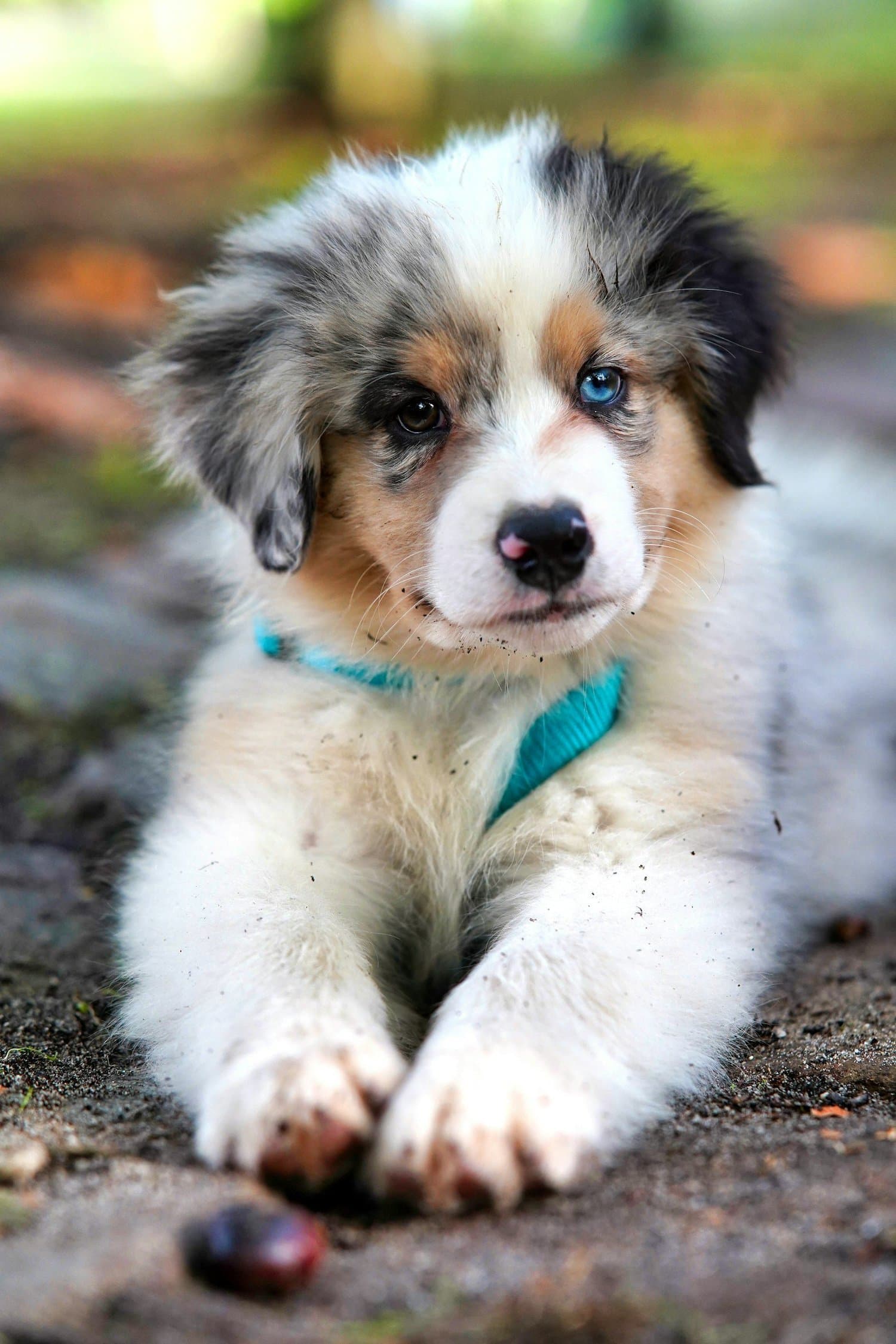
Bringing home a puppy comes with a surprising amount of scheduling. Vaccinations that only work in the right order, developmental windows that open and close whether you are ready or not, and a house training routine that runs on a 45 minute clock. None of it is complicated on its own, but it all overlaps, and knowing what happens when makes the first year far less stressful for both of you.
Here is the whole thing laid out by age, from before you collect your puppy to their first birthday.
Before Collection: 0 to 8 Weeks
In the UK, a puppy cannot legally leave its mother before 8 weeks old. Those weeks with the litter are doing important work: bite inhibition, dog-to-dog manners, and the confidence that comes from a stable early environment.
If the timing is awkward, perhaps a holiday or a house move is looming, ask the breeder about holding the puppy for an extra week or two. Reputable breeders will usually say yes, and a little longer with the litter does a puppy no harm at all.
What to avoid: collecting a puppy straight into chaos. The move away from the litter is a big event in a small life, and it deserves a calm settling-in week rather than a full diary.
6 to 8 Weeks: The First Vaccination
Somewhere around this age, often while still with the breeder, your puppy gets the first dose of the combined core vaccine. This covers distemper, hepatitis, parvovirus and leptospirosis.
Here is the part most new owners never hear: the first dose often does nothing. Puppies are born with antibodies passed on from their mother, and while those are still circulating they can neutralise the vaccine before the puppy’s own immune system gets a chance to respond. There is no way to know which puppies this applies to without blood testing, which is the whole reason the course is several doses rather than a single jab.
The practical takeaway: a puppy with one jab should be treated as unvaccinated. The first dose is a foundation, not protection.
8 to 11 Weeks: The First Fear Period
Just as your puppy arrives home, their brain enters a window where it is primed to learn that things are dangerous, and to learn it fast. A single frightening event during this period can create a lasting association, where the same event a fortnight earlier or later would have been shrugged off by the next day.
This is normal development, not a flaw in your puppy’s temperament. A young animal starting to explore the world needs to be able to learn a threat in one go. It is just unhelpful that this window lands almost exactly on leaving the litter.
The rule is simple: never force it. If your puppy backs away from the hoover, the bin lorry or a neighbour’s hat, let them retreat and approach again in their own time. Dragging a puppy towards something it fears is exactly how a wobble becomes a phobia.
8 Weeks Onward: House Training
House training starts the day the puppy comes home, and it runs on routine. An 8 week old puppy needs to go out roughly every 45 minutes while awake, plus after every meal, every nap and every play session, and at least once overnight. It is a lot of trips to the garden, and it shortens quickly as the weeks pass.
Two things make the difference. The first is consistency: same door, same patch of garden, same routine. Progress is tied to the environment, and changing it resets the clock. The second is how you clean up accidents. Use an enzymatic cleaner from a pet shop rather than ordinary household products, which leave ammonia traces that smell like urine to a dog and quietly advertise the same spot for next time.
Try not to punish accidents either. The puppy is not being defiant, it just has a tiny bladder and no idea of the rules yet. Rewarding the right result outdoors works; telling off the wrong result indoors mostly teaches a puppy to hide when it needs to go.
10 to 12 Weeks: The Second Vaccination
The second dose of the core course usually lands here, though some practices run it at 10 weeks and some later. This is the dose that reliably gets past those maternal antibodies.
Full protection is assumed 1 to 2 weeks after the second dose, not the moment the needle comes out. Your vet will give you the exact date. Some vets also add a third dose around 16 weeks where they are particularly concerned about maternal antibody interference, so do not be surprised if your protocol has an extra step.
Until Protection Kicks In: Paws Off Public Ground
Until that all-clear date, your puppy’s paws should not touch public ground. No pavements, no parks, no grass verges, nowhere that unvaccinated dogs may have toileted.
The danger is the ground rather than other dogs as such. Parvovirus in particular survives in soil for months to years and travels on shoes, tyres and paws, which is why the restriction is so strict, and also why the two exceptions below are safe.
Carrying your puppy out and about is fine and actively encouraged. A carried puppy gets the sights, sounds and smells of the world without the soil contact. Visits with known, fully vaccinated, healthy dogs on private ground are also fine, and genuinely valuable.
3 to 16 Weeks: The Socialisation Window
Puppies have a limited window for filing new things under normal. It closes somewhere around 12 to 16 weeks, and after that, unfamiliar things get treated with suspicion by default. What your puppy meets calmly during this window shapes the adult dog more than almost anything else you do.
This overlaps awkwardly with the vaccination schedule, and some owners resolve it by keeping the puppy home until the jabs are done. That is the wrong call. Isolating a puppy from all dogs, people and experiences during this window causes far more lifelong behavioural problems than the disease risk it avoids. The goal is controlled exposure, not zero exposure.
Good ingredients: carried trips to busy and quiet places, meeting people of different ages and appearances, visits from vaccinated dogs, car journeys, household noises, and plenty of gentle handling of paws, ears and mouth. Keep each experience short and positive, and let the puppy opt out if they want to.
6 to 14 Months: The Second Fear Period
Somewhere in adolescence, and it varies a lot between dogs, a second fear period arrives. It usually looks like a confident young dog suddenly spooking at the wheelie bin it walked past happily last week.
The rule is the same as the first time round: do not force it, do not punish it, let the dog choose the distance. Handled calmly, it passes without leaving a trace.
Why the Vaccine Rules Matter
It is easier to hold the line on ground restrictions when you know what is actually in the vaccine.
Parvovirus attacks the gut lining and bone marrow. It causes bloody diarrhoea, vomiting and rapid dehydration, and it kills mainly through fluid loss and secondary sepsis. There is no cure, only intensive supportive care: IV fluids, hospitalisation, often for days, at significant cost. Untreated, most young puppies who catch it do not survive. The virus is unusually durable, lasting months to years in soil and resisting most household disinfectants. It spread worldwide within about two years of emerging in 1978 and has never gone away.
Distemper is rarer in the UK now, but survivors can be left with permanent neurological damage.
Leptospirosis is bacterial rather than viral, picked up from water or damp soil contaminated with the urine of rats, cattle, foxes, badgers or other dogs. It causes kidney failure and sometimes liver failure, and the early signs are vague enough that it is often caught late, though it is treatable with antibiotics if caught early. Two things worth knowing: the lepto part of the vaccine wears off faster than the viral parts and needs an annual booster, and most UK vets now use the L4 version, which covers four strains rather than two.
Leptospirosis can also infect people, where it is known as Weil’s disease, including through contact with infected dog urine. UK cases number a few dozen a year, mostly from farming, sewage work and watersports, so catching it from a family puppy is genuinely unlikely. Basic hygiene is the answer rather than alarm: wash your hands after clearing up, wear gloves if you have broken skin, and do not let children handle the mess. If anyone in the house gets an unexplained fever with bad muscle aches within a few weeks of exposure, mention the puppy to the GP. Antibiotics work much better started early, and it will not be a doctor’s first guess without prompting.
Puppy First Year FAQs
When can my puppy go outside?
Your puppy can walk on public ground 1 to 2 weeks after the second vaccination, depending on your vet’s protocol. Before then, carry them out and about as much as you like: the sights and sounds count, it is the soil contact that has to wait.
When can my puppy meet other dogs?
Straight away, as long as the other dog is known to you, healthy and fully vaccinated, and you meet on private ground such as a garden. Unknown dogs and public spaces wait until the all-clear date.
Can we take our puppy on holiday before the jabs are finished?
Yes, with a bit of care. Carry the puppy outdoors and put it down only inside, check any dogs joining the trip are up to date with their jabs, and keep the 45 minute toilet routine going in the new house. Everything gets simpler once the all-clear date has passed.
How often does a puppy need to toilet?
At 8 weeks, roughly every 45 minutes while awake, plus after every meal, nap and play session, and at least once overnight. The gaps stretch quickly as the weeks pass.
When do the fear periods happen?
The first runs from about 8 to 11 weeks, and a second, more variable one arrives somewhere between 6 and 14 months. In both, the rule is the same: never force it, let the puppy choose the distance.
When can a puppy leave its mother?
Not before 8 weeks old. That is the law in the UK, and those weeks with the litter teach bite inhibition and dog-to-dog manners that are hard to make up later.
Read next
Crate Training for Dogs: Pros and Cons, and How to Crate Train a Puppy
Discover the advantages and potential drawbacks of crate training for dogs. Learn the essential steps and expert tips on how to crate train a puppy effectively while creating a safe and comfortable space for your furry companion.
Preparing Your Dog and New Baby for Family Life - The Ultimate Guide
Discover essential tips for UK dog owners on preparing and introducing their dog to a new baby. Learn about obedience training, managing barking, ensuring safe interactions, and addressing common concerns.