
How to Start Dog Agility in the UK: A Beginner's Guide
Any dog can try agility, pedigree or not. How to find a club near you, what a first session is like, what it costs, and how you get from your first tunnel to your first Royal Kennel Club show.
Published 8 October 2026
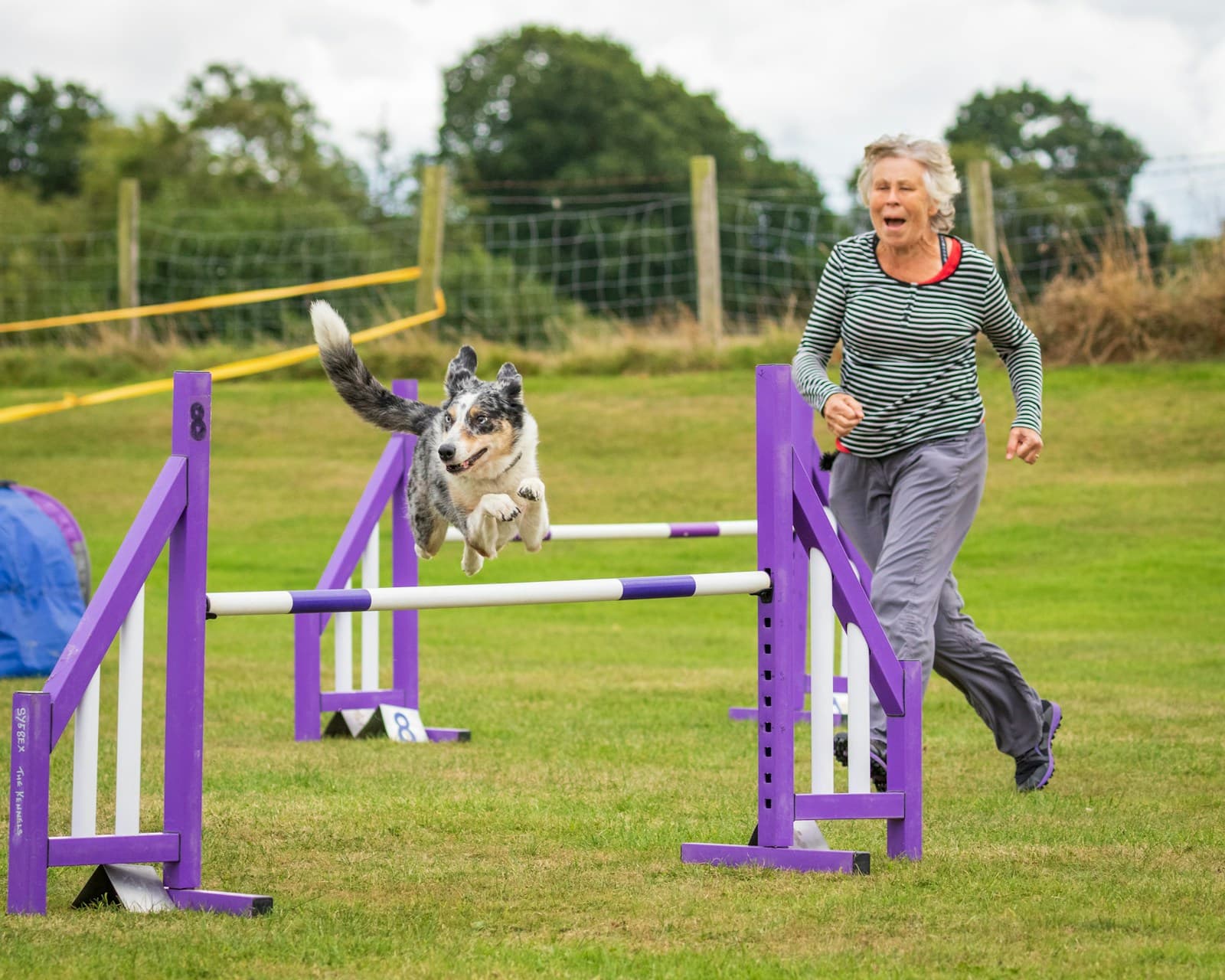
Agility is a race against the clock around a course of jumps, tunnels and weave poles, with you running alongside giving directions. It is one of the few dog sports where a rescue crossbreed can beat a pedigree on the day, and you do not need an athletic dog, a big garden or any equipment to start. You need a club, a dog that likes food, and a bit of patience.
Is Agility Right for Your Dog?
Most healthy, food-motivated dogs love it. Crossbreeds are welcome: to compete at Royal Kennel Club shows, a dog just needs to be on either its Breed Register or its Activity Register, which is open to any dog. Competitions are split by height, so a terrier and a collie are not jumping the same fences.
A few things are worth checking first:
- Age. Dogs must be 18 months old to compete, and the Royal Kennel Club recommends no work on equipment before a year. Our guide to what age a puppy can start agility covers what a younger dog can do instead.
- Health. If your dog is overweight, older, or has had joint or back problems, talk to your vet before you start. Agility is a lot of turning and jumping.
- Control. Clubs work dogs off the lead, often with other dogs nearby, so your dog needs a reliable recall.
If jumping is not a good idea for your dog, hoopers uses hoops, barrels and tunnels instead and is much gentler on joints.
Finding a Club
This is the most important step, and the one most people rush. Our directory of UK agility clubs lists more than 350 clubs, each with a checked website link, and every county page shows the nearest clubs over the border too. You can sort the whole list by distance from your postcode.
When you ring a club, ask:
- Do you take beginners, and when does the next course start? Many clubs have waiting lists and start new dogs in blocks.
- What do you need my dog to know first? Most want basic obedience.
- At what age do you start dogs jumping at full height? A good club keeps the bars low for young dogs. One that shrugs at the question is telling you something.
- Can I come and watch a session? Nearly all will say yes. The atmosphere is the biggest difference between clubs.
What a First Session Is Like
Expect a small group, short turns and a lot of treats. Beginners usually start with the obstacles dogs pick up fastest, such as low jumps and a short straight tunnel, and spend as much time on handling, focus and recall as on the equipment itself. Contact obstacles like the A-frame, dog walk and seesaw come later, because they need careful introduction. Weave poles usually come last, as they are the hardest obstacle to teach well.
Bring a flat collar or harness, a lead, water, a toy your dog loves and far more small, soft treats than you think you need.
What It Costs
Prices vary a lot between clubs. These are examples from club websites we checked, not an average:
| Item | Typical cost |
|---|---|
| A single session | £5 to £16 |
| A beginners' course | about £50 for 5 weeks to £110 for 11 weeks |
| Club membership | £10 to £200 a year |
| Entering a show | about £5 to £6 per class |
From Your First Session to Your First Show
There is no rush to compete, and plenty of people never do. If you want to, this is how it works.
- Register your dog with the Royal Kennel Club, on the Breed Register for pedigrees or the Activity Register for anyone.
- Get an agility record book. It records your dog's measured height and any wins.
- Have your dog measured. Dogs must be at least 15 months old for their first measurement, and the result sets their height category.
- Enter Grade 1. Everyone starts here. You move up after two wins, at least one in an agility class rather than a jumping class, and there are seven grades in all.
Your dog's height decides which category it competes in and how high the jumps are:
| Category | Dog's height at the shoulder | Jump height |
|---|---|---|
| Small | 350mm or under | 300mm |
| Medium | over 350mm, up to 430mm | 400mm |
| Intermediate | over 430mm, up to 500mm | 500mm |
| Large | over 500mm | 600mm |
To find shows, use the Royal Kennel Club's Find a Show search or the Agilitynet show diary, which also lists independent and league shows. Every county page in our club directory links to the licensed shows within 30 miles. For your first show, take water, food, your record book, waterproofs and a folding chair, because shows do not provide seating. You are sent a ring card before the day.
Sources
- Royal Kennel Club: new to agility
- Royal Kennel Club: attending your first agility show
- Royal Kennel Club: agility regulations mini guide (2025)
- Royal Kennel Club: changes to agility regulations for 2026
- Royal Kennel Club: Find a Show and Agilitynet show diary
- Club prices from Rugby Dog Training Club, Devon Dogs, Taking The Lead and Dogs Country Club
Rules and prices checked on 6 October 2026.
Common questions
Can any dog do agility?
Almost any healthy dog can try it. Crossbreeds and rescues compete at Royal Kennel Club shows once they are on its Activity Register, and there are height categories for small, medium, intermediate and large dogs. If your dog is older, very heavy or has joint problems, ask your vet first, and look at hoopers, which has no jumps.
How much does dog agility cost?
Across the clubs we checked, a session typically costs £5 to £16, a beginners' course around £50 to £110, and yearly club membership anywhere from £10 to £200. Entering a Royal Kennel Club show costs around £5 to £6 per class.
What age can my dog start agility?
The Royal Kennel Club recommends no training on agility equipment until a dog is at least a year old, and a dog must be 18 months old to compete. Puppies can still learn the groundwork, such as focus, recall and tunnels, well before then.
Does my dog need to be trained before joining an agility club?
Most clubs want basic obedience first: your dog should come back when called and be safe around other dogs off the lead. Some run foundation classes for exactly this, so ask when you ring.
Do I need to buy equipment to start agility?
No. The club provides the equipment. You need a flat collar or harness, a lead, plenty of small soft treats and a toy your dog loves. Home equipment is useful later, for practice between sessions.
Read next
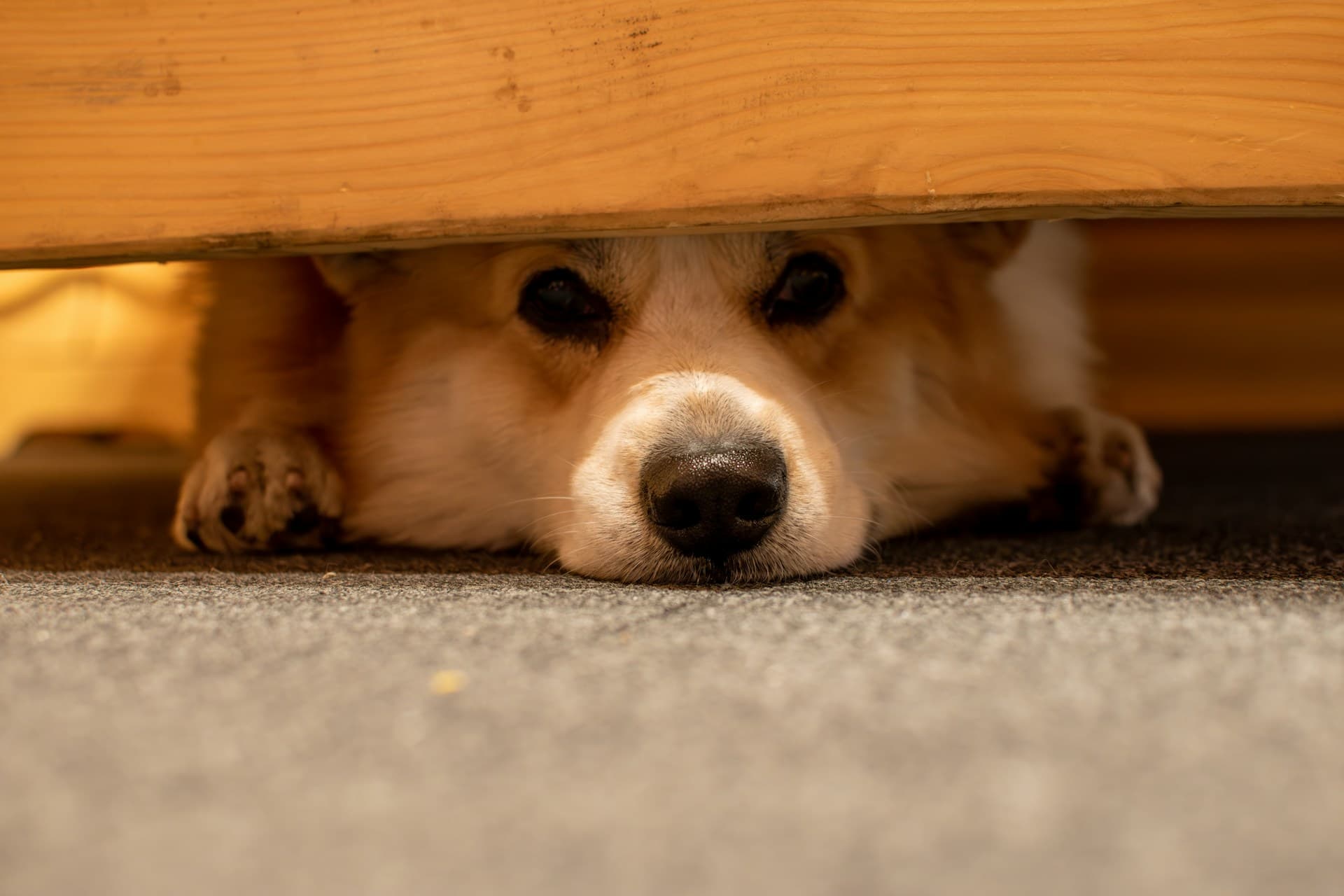
How to Calm a Dog During Fireworks: A UK Guide for Bonfire Night 2026
Bonfire Night is a Thursday this year and Diwali is the Sunday after, so many dogs face two late nights in one week. How to prepare, what actually helps on the night, what the evidence says about calming aids, and when to call your vet.
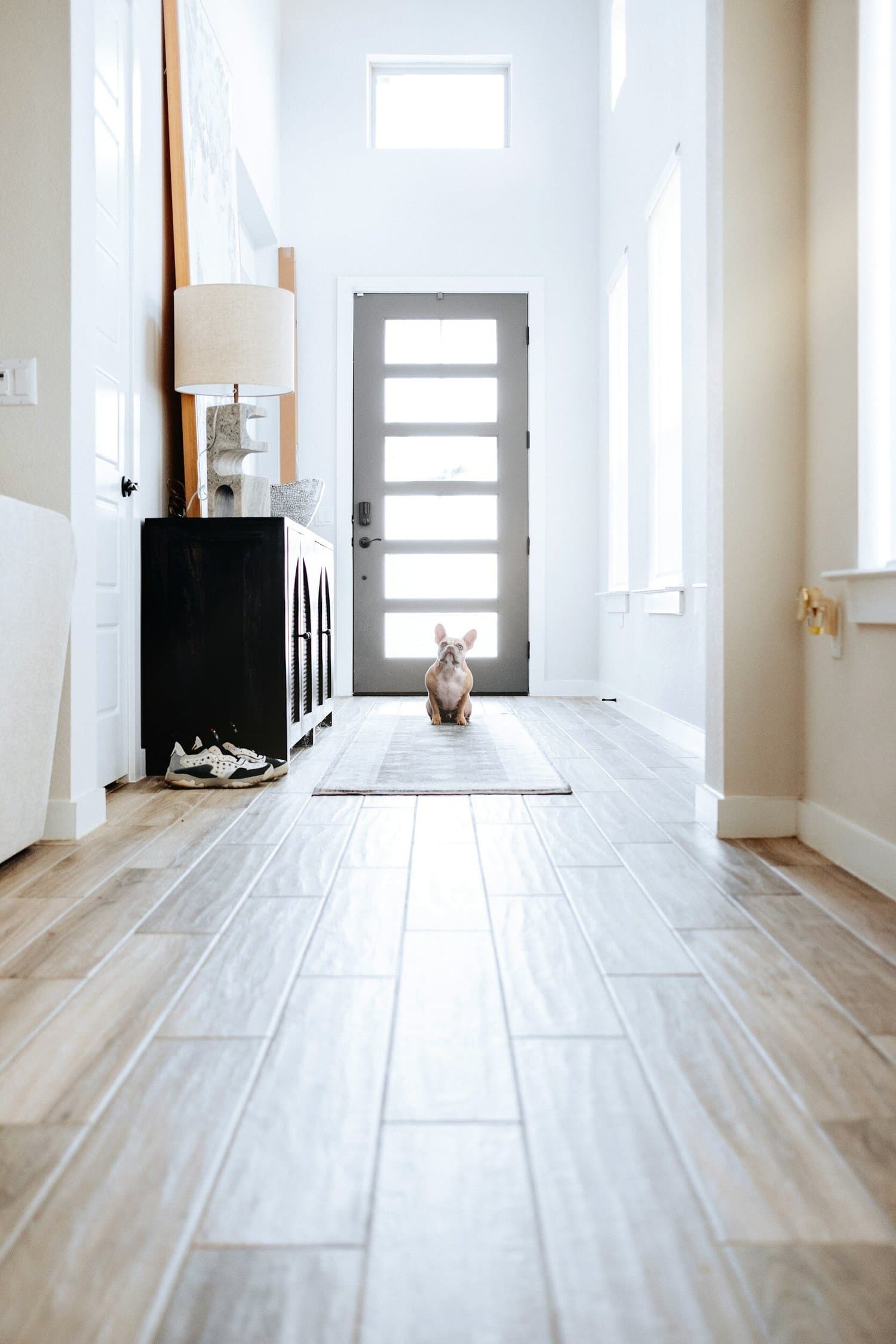
A Guide to Boundary Training Your Dog
Discover our comprehensive UK guide on boundary training for dogs, offering step-by-step instructions and tips for success. Learn how to safely teach your dog to respect home boundaries and prevent them from running out the front door, with strategies tailored for puppies and older dogs alike.
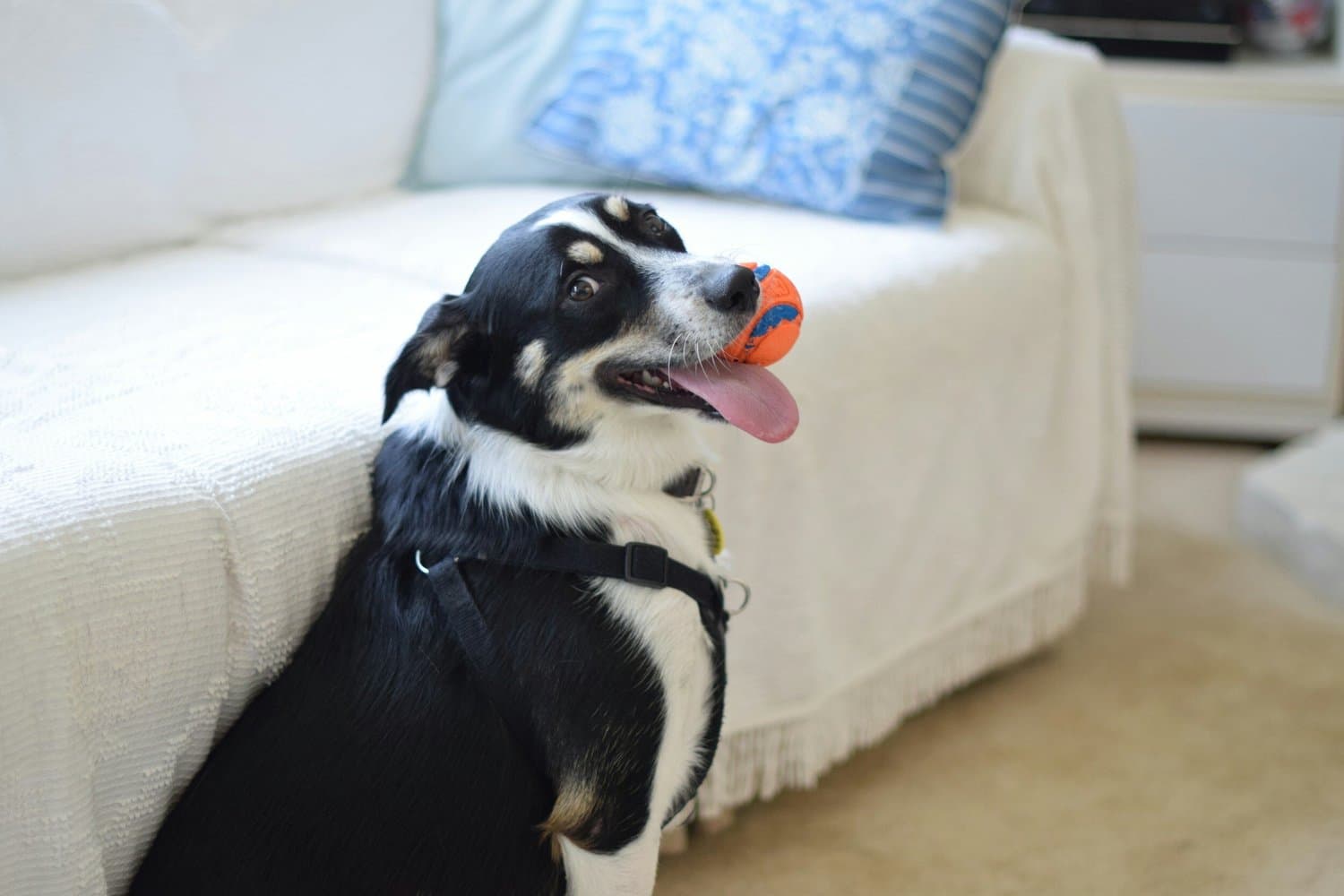
The Benefits of Reward-Based Training for Dogs: A Word on Positive Reinforcement
Unlock the secrets of reward-based training and experience the joy of a well-behaved dog through positive reinforcement. Learn how this effective, humane method can strengthen your bond, improve mental health, and encourage good behaviour in dogs of all ages and breeds.