
What Age Can a Puppy Start Agility? What to Teach Before the Jumps
A dog must be 18 months old to compete in UK agility, and the Royal Kennel Club advises no equipment work before a year. Why the wait matters for growing joints, and the groundwork a puppy can safely learn in the meantime.
Published 14 October 2026
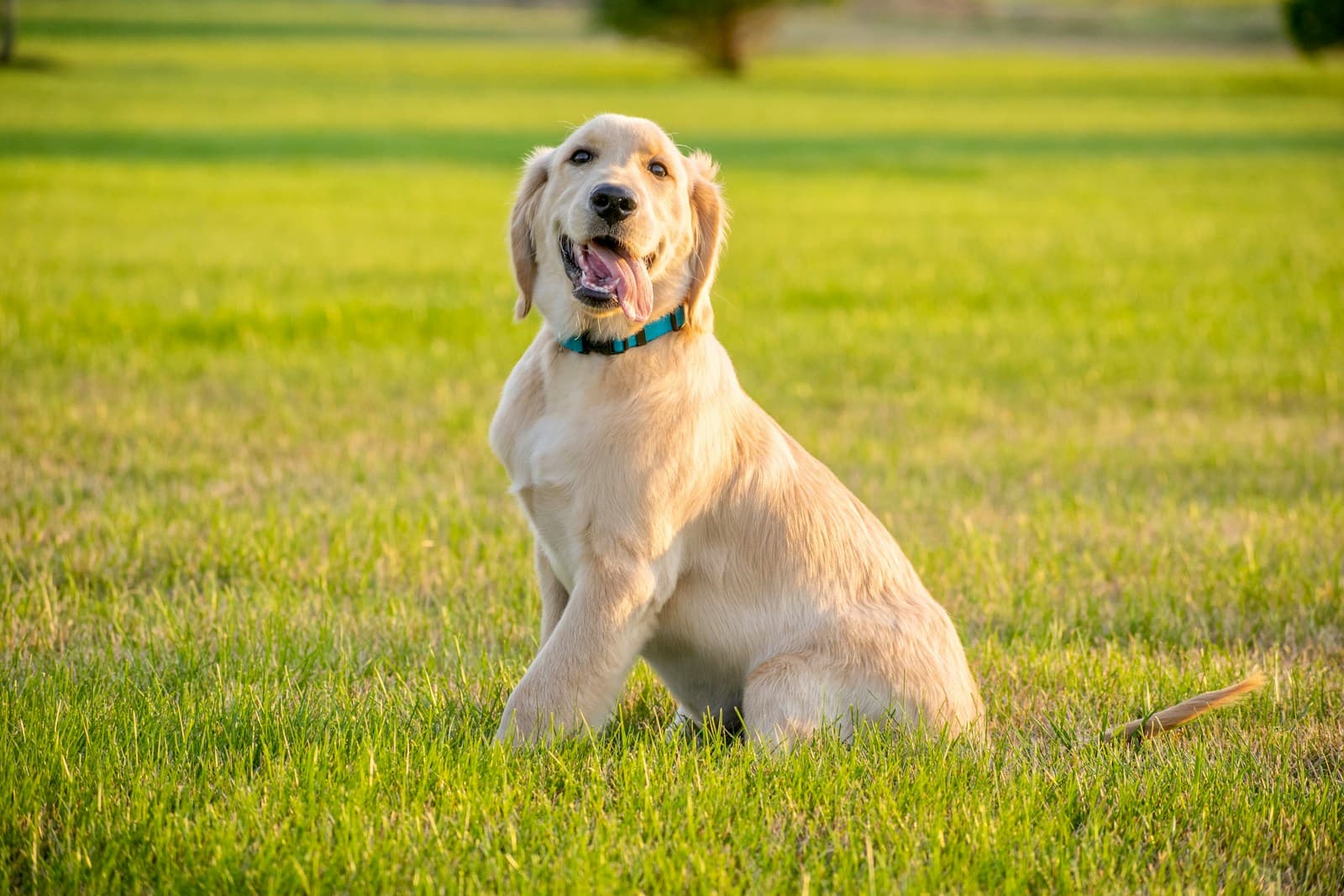
The short answer: a dog has to be 18 months old to compete at a Royal Kennel Club agility show, and the Royal Kennel Club recommends no training on agility equipment until a dog is at least a year old. That does not mean a puppy has to sit on the sofa until then. Most of what makes a good agility dog has nothing to do with the equipment, and a puppy can start learning it straight away.
The UK Age Rules
| Milestone | Age |
|---|---|
| Can be entered Not for Competition, if the show allows it | 12 weeks |
| Royal Kennel Club advice on starting work on equipment | at least 1 year |
| First official height measurement | at least 15 months |
| Can compete at a licensed show | 18 months on the day |
These are the rules for Royal Kennel Club licensed shows. Clubs set their own policies on when a young dog joins classes, so ask yours.
Why Puppies Wait for the Jumps
Bones grow from soft areas near their ends called growth plates. Until those plates close, they are weaker than the bone around them, and repeated impact, sharp turns and landing from height put them at risk. An injury there can affect how the bone grows.
When the plates close depends on the dog:
- around 6 to 8 months in toy breeds
- around 12 to 14 months in many medium and large dogs
- up to around 2 years in giant breeds
- later in dogs neutered before they finished growing
So the right age for full-height jumps is a question about your dog, not a date on the calendar. A collie and a Great Dane of the same age are at very different stages. Your vet, or a vet physiotherapist, can tell you when your dog is ready.
What a Puppy Can Learn Now
These are the skills good handlers spend the most time on anyway, and none of them need full-height equipment.
- Focus. Teach your puppy to look at you and stay engaged with you when there are things going on around them. Agility is a conversation between you and your dog, and this is where it starts.
- Recall. A dog that comes back every time can work off the lead at a club. A dog that does not, cannot.
- Playing tug. A toy your dog will chase and tug is a reward you can use at a distance, which treats are not.
- Left and right. Teach your puppy to follow your hand and to circle away from you on each side. It is the start of steering.
- Body awareness. Walking over poles laid flat on the ground, stepping onto a low, stable platform and moving its back feet independently all teach a puppy where its body is.
- A short tunnel. A short, straight tunnel, fully open so the puppy can see through, is gentle and most puppies love it.
- Waiting. A reliable stay at the start line is worth more than a fast run that begins too early.
Keep sessions to a few minutes and stop while your puppy still wants more. Train on grass or a non-slip surface, never on a shiny floor, and make every session a game.
What to Leave Until Later
- Jumps at height. Bars on the ground, or a few centimetres up, are fine for teaching a puppy to go over something. Height comes much later.
- Weave poles. Weaving bends the spine repeatedly at speed. Leave it until your dog is physically mature, and teach it properly at a club.
- Contact obstacles. The A-frame, dog walk and seesaw all involve height, and the seesaw moves. A bad first experience on any of them can last.
- Tight turns at speed, and anything that involves a lot of repeated jumping.
Choosing a Club for a Young Dog
When you get in touch with a club, ask at what age they start dogs on the equipment and at what age they jump at full height. A good club will have a clear answer and will keep the bars low for young dogs. Our directory of UK agility clubs lists more than 350 checked clubs, and our beginner's guide to agility covers what to expect when you join.
Sources
- Royal Kennel Club: new to agility
- Royal Kennel Club: agility regulations mini guide (2025), regulations H(1)1(e) and H(1)(B)
- VCA Animal Hospitals: puppy exercise
- Vet Rehab NI: puppy exercise
- American Kennel Club: how puppies and dogs can jump safely
Rules checked on 6 October 2026. Every dog is different, so ask your vet before starting any jumping.
Common questions
What age can a dog compete in agility in the UK?
18 calendar months on the day of the show, at Royal Kennel Club licensed shows. Dogs from 12 weeks old can be entered Not for Competition, if the show allows it.
When can my puppy start jumping?
The Royal Kennel Club recommends no training on agility equipment until a dog is at least a year old. Full-height jumping should wait until your dog's growth plates have closed, which can be anywhere from around 6 months in a toy breed to 2 years in a giant breed. Ask your vet when your dog is ready.
Can a puppy go through an agility tunnel?
A short, straight, open tunnel is one of the gentlest things a puppy can learn, because it involves no jumping or twisting. Keep it short, make it fun, and leave curved tunnels and the collapsed chute until your dog is older.
Does neutering affect when my dog can start agility?
It can. Neutering a dog before it has finished growing can delay the closing of its growth plates, so a dog neutered young may need longer before full-height jumping. Ask your vet.
Read next
Your Puppy’s First Year: A Timeline for UK Pet Owners
A practical UK timeline for your puppy's first year: vaccination schedule, when puppies can go outside, fear periods, house training and the socialisation window.
Crate Training for Dogs: Pros and Cons, and How to Crate Train a Puppy
Discover the advantages and potential drawbacks of crate training for dogs. Learn the essential steps and expert tips on how to crate train a puppy effectively while creating a safe and comfortable space for your furry companion.

Puppy Insurance in the UK: When to Get It and What to Look For
Why the best time to insure a puppy is before their first vet visit, how young each insurer will cover them, what happens when the breeder's free cover ends, and which insurers in our guide suit puppies best. Checked against the policy documents.