
Hoopers vs Agility: Which Dog Sport Suits Your Dog?
Hoopers swaps agility's jumps and weave poles for hoops, barrels and tunnels, so it is far gentler on joints. How the two sports differ, which dogs and handlers each one suits, and how to find a class in the UK.
Published 21 October 2026
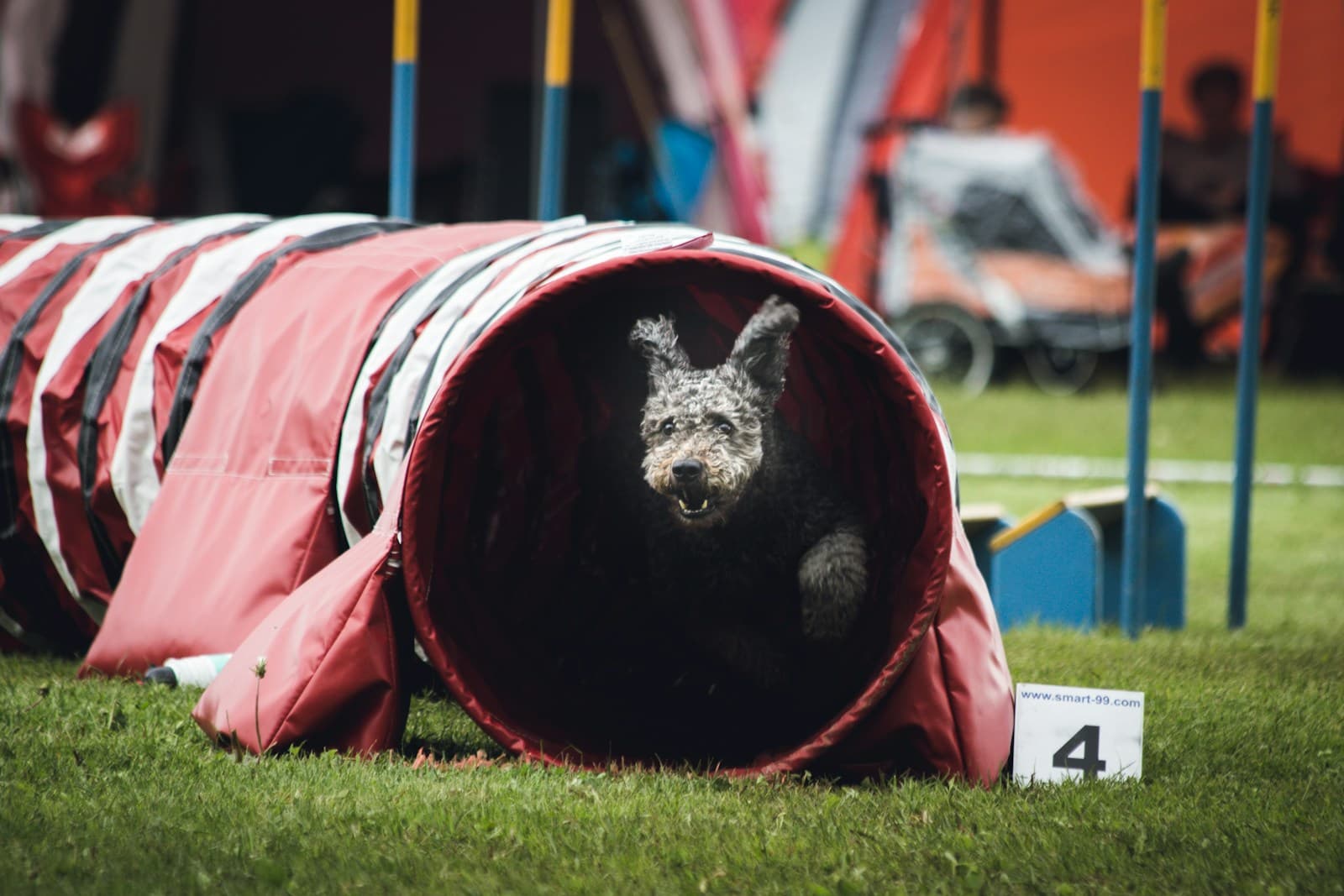
Agility and hoopers look alike from the side of the ring: a dog racing round a numbered course while its handler gives directions. The difference is what is on the course. Agility has jumps, weave poles and climbing obstacles. Hoopers has hoops, barrels and tunnels, and no jumps at all. That one change makes hoopers far gentler on a dog's body, and it opens the sport up to dogs and people who would struggle with agility.
The Differences at a Glance
| Agility | Hoopers | |
|---|---|---|
| Obstacles | Jumps, tunnels, weave poles, tyre, long jump, A-frame, dog walk, seesaw | Hoops, barrels and tunnels |
| Jumping | Yes, at a height set by the dog's size | None |
| Impact on joints | Higher: take-offs, landings and tight turns | Lower: a flowing course on the ground |
| Main UK organisations | Royal Kennel Club, plus independent leagues | Canine Hoopers UK, UK Hoopers, BK9 |
| Minimum age to compete | 18 months at Royal Kennel Club shows | Set by each organisation |
Who Agility Suits
Agility suits fit, healthy, physically mature dogs that love to run and jump, and handlers who enjoy running a course with them. It is fast, demanding and very rewarding, and the Royal Kennel Club runs licensed shows across the country, from small local events to qualifiers for Crufts. If your dog is young and sound and you want a sport you can grow into for years, agility is hard to beat.
It is less suitable for dogs with joint or back problems, dogs that are very heavy, and older dogs starting out late. Our guide to starting agility covers how to find a club and what the first sessions are like.
Who Hoopers Suits
Canine Hoopers UK describes hoopers as a fun, fast, low-impact sport, and says it aims to make it accessible to all dogs and handlers, in particular large and tiny breeds and dogs that need a little extra space. In practice, it is often the better choice for:
- older dogs, including dogs retired from agility
- large and giant breeds, for whom repeated jumping is hard work
- very small dogs
- dogs with joint problems, with your vet's agreement
- young dogs, as a gentler introduction to course work
- handlers who cannot run, or who would rather not
Progress in Canine Hoopers UK competitions is based on consistency rather than on winning individual classes, which makes it friendly for newcomers.
Can You Do Both?
Yes, and plenty of people do. The skills overlap: focus, steering your dog from a distance, and reading a course all carry across. Some agility handlers use hoopers to keep an older dog active once it has retired from jumping, and some start a young dog in hoopers before it is old enough for agility equipment. Our guide to what age a puppy can start agility explains why the wait matters.
Finding a Class
- Agility: our directory of UK agility clubs lists more than 350 clubs with checked links, and you can sort it by distance from your postcode. Some agility clubs run hoopers sessions too, so it is worth asking.
- Hoopers: Canine Hoopers UK has a find an instructor search, and its show diary lists competitions.
Sources
- Canine Hoopers UK: about
- Canine Hoopers UK: show diary
- Royal Kennel Club: new to agility
- Royal Kennel Club: agility regulations mini guide (2025)
Checked on 6 October 2026.
Common questions
What is the difference between hoopers and agility?
Agility courses include jumps, weave poles and contact obstacles like the A-frame and seesaw. Hoopers courses use hoops, barrels and tunnels, with no jumps, so the dog runs a flowing course without the impact of take-offs and landings.
Is hoopers good for older dogs?
It is often a good fit. Canine Hoopers UK describes it as a low-impact sport and sets out to make it accessible to all dogs, so it suits many older dogs, very large or very small breeds, and dogs that cannot jump. Ask your vet if your dog has a joint or back condition.
Can I do hoopers if I can't run?
Yes. Hoopers is designed to be accessible to handlers as well as dogs, and many people take it up because they cannot run around an agility course.
Who runs hoopers competitions in the UK?
Hoopers is run by its own organisations, such as Canine Hoopers UK, which was formed in 2017, UK Hoopers and BK9. Each has its own rules and show diary.
Read next
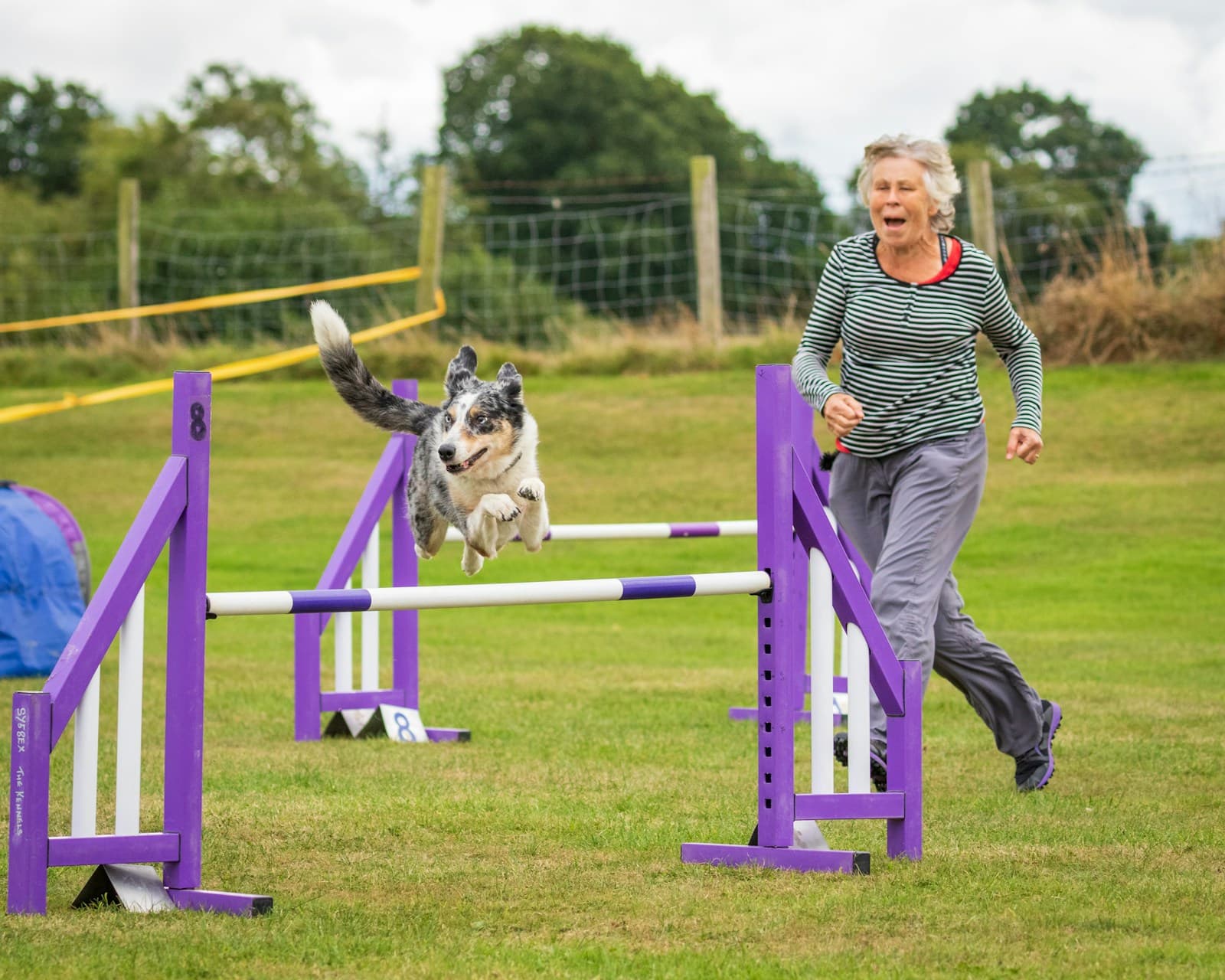
How to Start Dog Agility in the UK: A Beginner's Guide
Any dog can try agility, pedigree or not. How to find a club near you, what a first session is like, what it costs, and how you get from your first tunnel to your first Royal Kennel Club show.
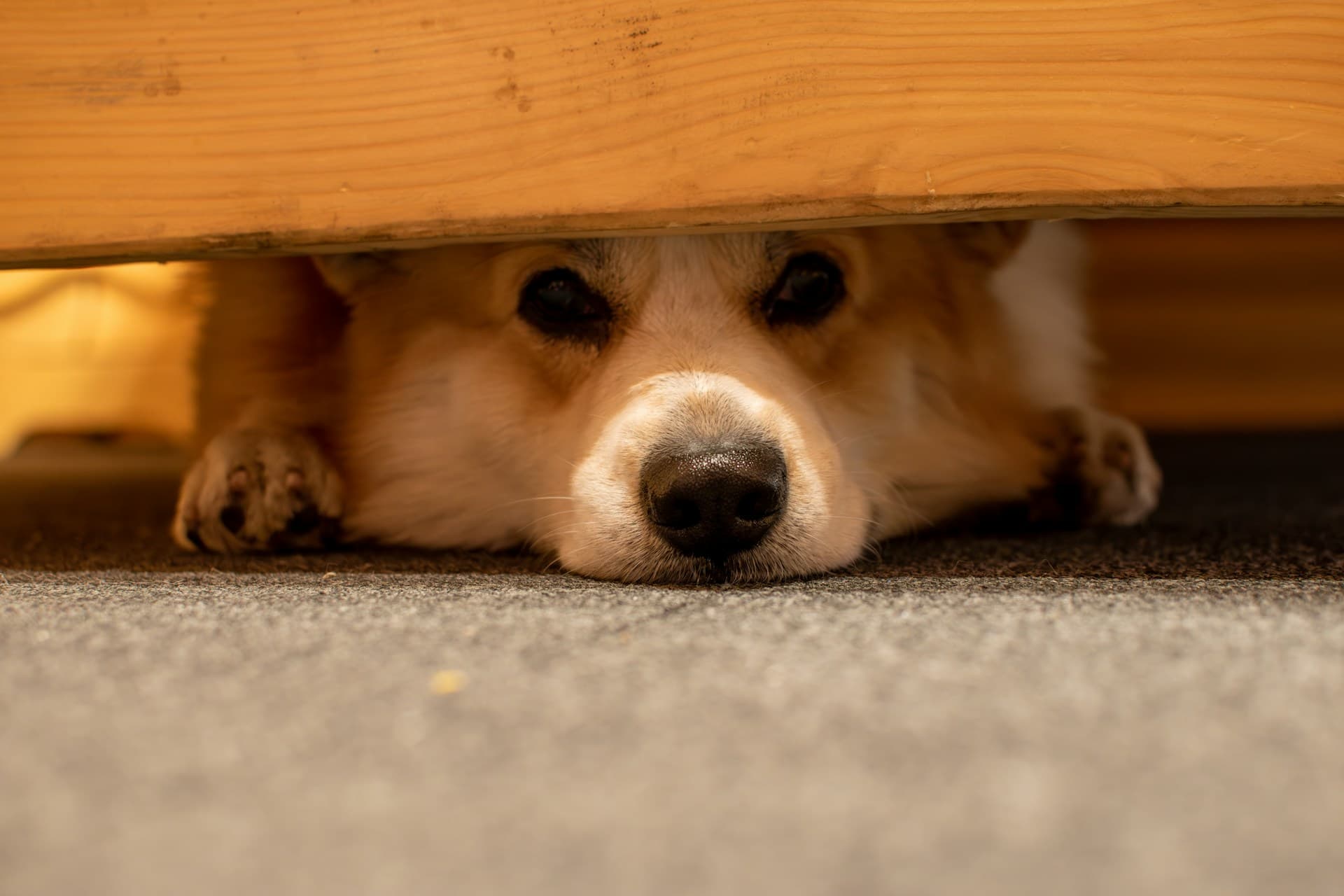
How to Calm a Dog During Fireworks: A UK Guide for Bonfire Night 2026
Bonfire Night is a Thursday this year and Diwali is the Sunday after, so many dogs face two late nights in one week. How to prepare, what actually helps on the night, what the evidence says about calming aids, and when to call your vet.

A Guide to Boundary Training Your Dog
Discover our comprehensive UK guide on boundary training for dogs, offering step-by-step instructions and tips for success. Learn how to safely teach your dog to respect home boundaries and prevent them from running out the front door, with strategies tailored for puppies and older dogs alike.