
Why Does My Dog Shake? Causes & When to Seek Help
Discover why your dog shakes, from excitement to medical concerns. Learn common causes and when to seek veterinary care to keep your pet healthy.
Updated 25 February 2025
Introduction
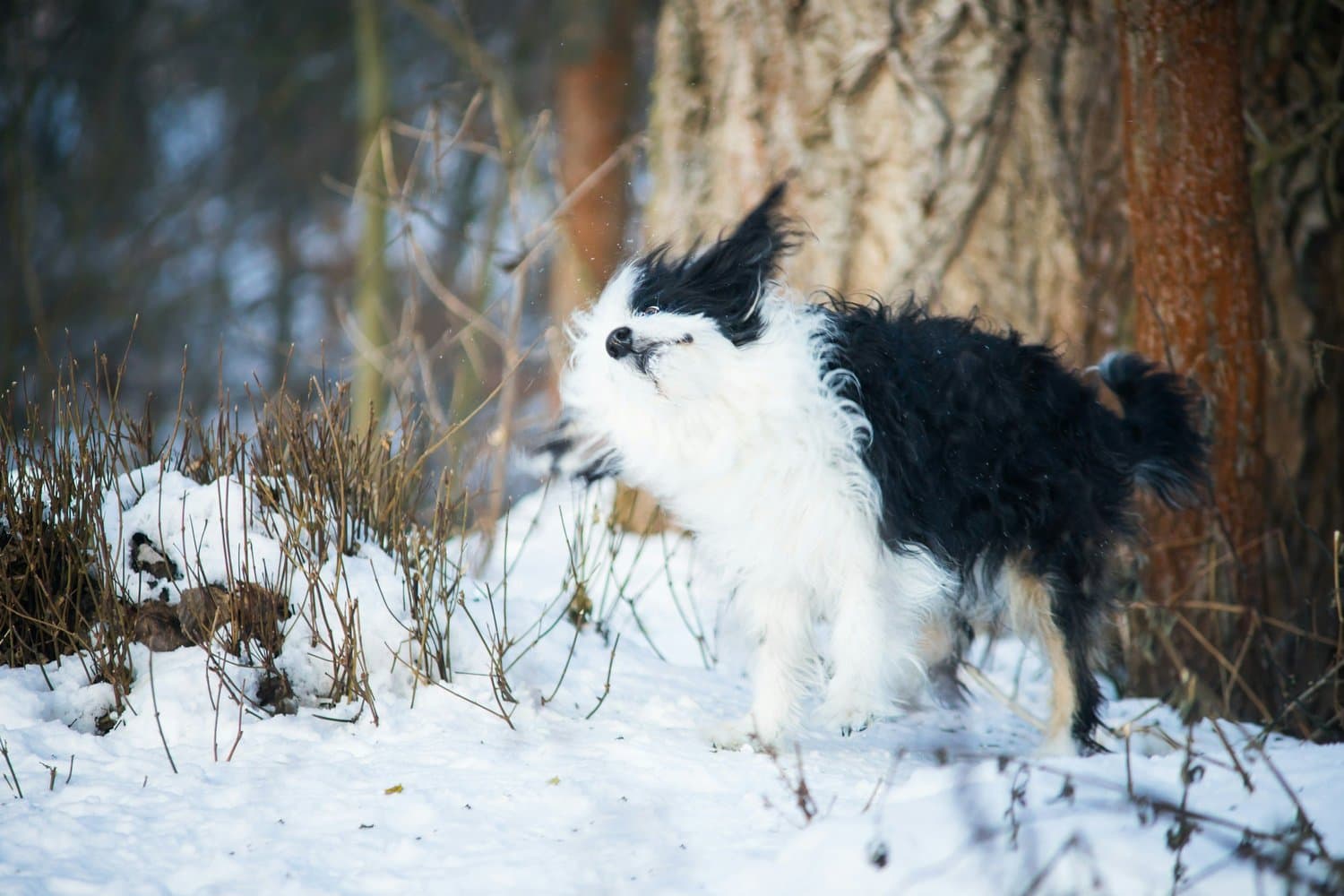
Have you ever noticed your dog shaking and wondered why? Shaking in dogs can be caused by various factors, ranging from harmless excitement to more serious medical conditions. Understanding the reason behind your dog’s shaking is key to determining whether it's normal behaviour or something that requires veterinary attention.
Common Reasons Why Dogs Shake
1. Excitement & Anticipation
Some dogs shake when they are excited. This is common in high-energy breeds and may occur when they see their favourite person, anticipate a walk, or are about to receive a treat.
2. Cold & Weather Sensitivity
Dogs with short coats or small body sizes, such as Chihuahuas, often shake when they feel cold. If your dog trembles in cold weather, consider providing a coat or keeping them indoors during low temperatures.
3. Anxiety, Stress, or Fear
Shaking can be a sign of stress or anxiety. Common triggers include:
- Loud noises (fireworks, thunderstorms, vacuum cleaners)
- Visits to the vet
- Separation from their owner
4. Pain or Injury
If your dog suddenly starts shaking and is reluctant to move, they may be experiencing pain from an injury, arthritis, or an underlying medical condition. Look for additional signs such as limping, whimpering, or loss of appetite.
5. Toxic Ingestion
Certain toxic foods and substances can cause shaking, including:
- Chocolate
- Xylitol (found in sugar-free gum)
- Grapes and raisins
- Household chemicals If you suspect poisoning, contact a vet immediately.
6. Low Blood Sugar (Hypoglycaemia)
Small breeds like Yorkshire Terriers are prone to hypoglycaemia, which can cause shaking, weakness, and confusion. Offering a small meal may help, but persistent symptoms require veterinary attention.
7. Ear Infections & Neurological Issues
Ear infections or conditions affecting the nervous system, such as epilepsy, can cause tremors and head shaking. If your dog’s shaking is accompanied by disorientation, frequent head tilting, or loss of balance, consult a vet.
8. Illnesses & Underlying Health Conditions
Some medical conditions cause tremors or full-body shaking, including:
- Canine distemper (a viral infection affecting puppies and unvaccinated dogs)
- Kidney disease
- Addison’s disease
When to See a Vet
Not all shaking is cause for alarm, but you should seek veterinary care if:
- The shaking is persistent and unexplained
- Your dog exhibits lethargy, vomiting, or unusual behaviour
- There are signs of pain, injury, or stiffness
- The shaking is accompanied by seizures or loss of coordination
- Your dog has ingested something potentially toxic
Early diagnosis and treatment can prevent serious complications, so don’t ignore unusual or prolonged trembling. Make sure you desensitise and socialise your dog for the vet.
How to Help a Shaking Dog
If your dog is shaking due to excitement, cold, or mild anxiety, you can help them feel more comfortable:
1. Provide Warmth
If your dog is cold, move them to a warmer environment or use a dog coat for protection.
2. Reduce Stress & Anxiety
- Create a safe space for your dog during thunderstorms or fireworks.
- Use calming aids like pheromone diffusers or anxiety wraps.
- Engage in positive reinforcement training to reduce fear triggers.
3. Monitor Their Diet & Health
- Ensure your dog is eating balanced meals to prevent low blood sugar.
- Schedule regular vet check-ups to catch underlying health issues early.
4. Check for Injuries
If you suspect pain, gently examine your dog and note any signs of distress. Avoid handling areas that seem sensitive and seek veterinary advice.
Conclusion
Shaking in dogs can stem from a variety of causes, ranging from excitement and cold temperatures to more serious medical conditions. While occasional trembling is normal, persistent or severe shaking warrants veterinary attention. By monitoring your dog’s behaviour and addressing any concerning symptoms, you can help ensure their long-term health and happiness.
Read next
Why Are My Dog's Eyes Gunky? What Eye Discharge Actually Means
A bit of sleep in the corner of the eye is normal. Thick, coloured or returning discharge is not. Here is what each type usually means, the one question that narrows it fastest, and when it is a same-day vet job.
Dry Eye in Dogs (KCS): Symptoms, Treatment and What It Really Costs
Dry eye in dogs rarely looks dry. It looks gunky. Here is how to spot keratoconjunctivitis sicca early, what the vet will do, what treatment costs in the UK, and the one thing you must never put in the eye.
How to Get a Dog Used to the Vet: A Guide for Dog Owners
Help your anxious dog feel safe at the vet. Our complete guide covers vet socialisation, desensitisation, calming techniques, and what to do about fear or aggression.