
Why Are My Dog's Eyes Gunky? What Eye Discharge Actually Means
A bit of sleep in the corner of the eye is normal. Thick, coloured or returning discharge is not. Here is what each type usually means, the one question that narrows it fastest, and when it is a same-day vet job.
Published 19 August 2026
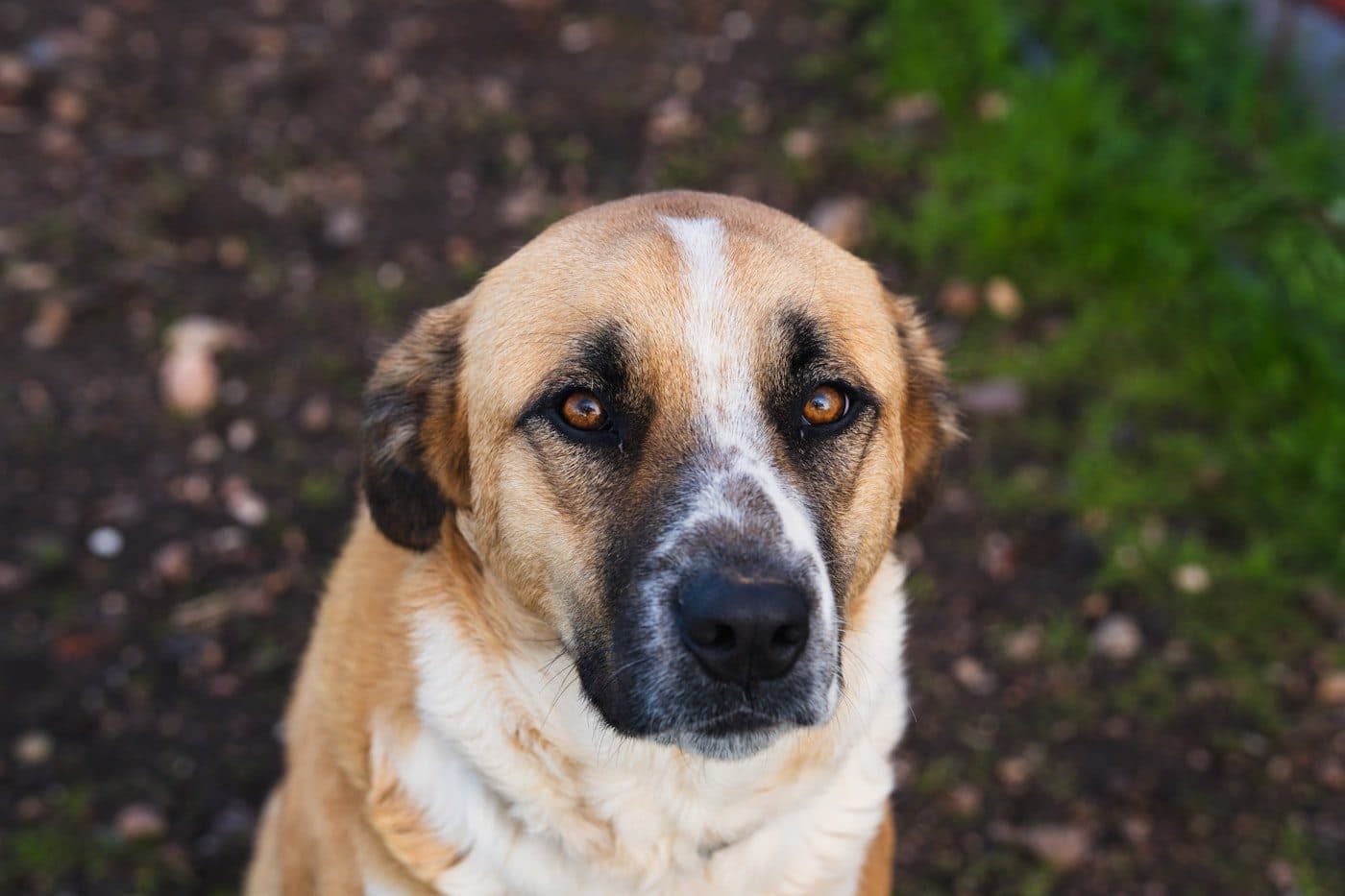
Almost every dog wakes up with a bit of gunk in the corner of the eye. You wipe it, it goes, that is the end of it.
The thing worth paying attention to is not whether there is discharge. It is whether it comes back. Tears are not just lubrication: they carry oxygen and nutrients to the surface of the eye and wash debris away. When something is wrong with the eye or with the tear film, the debris stops being washed away, and you find yourself wiping the same eye three times a day.
That is the signal. Here is how to read the rest of it.
What The Colour Usually Means
| What you see | What it usually points to |
|---|---|
| A little grey or reddish crust, mornings only | Normal. Wipe it and move on |
| Clear and watery, running down the face | Irritation, allergy, wind, or a blocked tear duct |
| Clear but sticky and stringy | Early tear film problem, worth a check |
| Grey or white mucus that keeps returning | Classic dry eye. The mucus is what is left when the watery part of tears is missing |
| Yellow or green | Pus. Infection or an ulcer until a vet says otherwise |
| Reddish-brown staining down the fur | Usually porphyrins in tears, not blood. Cosmetic, but constant wetness has a cause |
| Actual blood | Same day. Always |
Colour narrows it down. It does not diagnose it. Two conditions can look identical from the sofa and need opposite treatments, which is the whole reason the dye test exists.
The One Question That Narrows It Fastest
One eye, or both?
It is the first thing a vet will ask and it splits the possibilities almost in half.
One eye suggests something local. A grass seed, a scratch from a bramble or another dog, an ulcer, a blocked tear duct on that side. Something happened to that eye.
Both eyes suggests something affecting the whole dog. Allergies, an infection that has spread, or a tear production problem. Dry eye usually comes on gradually in both eyes over months.
Sudden onset in both eyes at once is the unusual one, and it is the pattern reported in the Years dog food recall. If that is what you are seeing and your dog has been eating a recalled food, say so when you ring.
When To Stop Reading And Ring The Vet
Go today, not next week, if you see any of these:
- The eye is being held shut, or the dog will not let you near it
- Obvious pain: rubbing on furniture, pawing hard, yelping when touched
- The surface looks cloudy, blue or hazy rather than clear
- The eye looks bigger, smaller, or is bulging
- Blood, or a discharge that is genuinely bloody rather than brown
- Your dog is bumping into things or seems unsure in dim light
Eyes deteriorate faster than most other things. A superficial ulcer that would have healed in days can become a deep one that threatens the eye, and the window is short.
The Usual Causes, Briefly
Allergies and irritants. Pollen, dust, smoke, shampoo. Usually both eyes, usually clear and watery, usually itchy elsewhere too.
Conjunctivitis. Inflammation of the pink tissue around the eye. Very common, often secondary to something else, which is why treating it without finding the cause tends to end with it coming back.
Dry eye, or keratoconjunctivitis sicca. The one most often missed, because it almost never looks dry. It looks gunky. If you have been wiping grey mucus off the same eye for weeks, read this one properly and ask for a Schirmer tear test by name.
A foreign body. Grass seeds are the classic, especially in summer and especially in spaniels. Sudden, one eye, and a dog that desperately wants to rub it.
Corneal ulcer. A break in the surface of the eye. Painful, urgent, and invisible without dye.
Blocked tear ducts. Tears that cannot drain spill down the face instead. More common in flat-faced breeds and in some small terriers.
Anatomy. Brachycephalic breeds have shallower sockets and eyelids that do not always close fully, so the surface dries and gets irritated. Some breeds have eyelids that roll inwards and rub. These are structural and they need a vet, not a wipe.
What The Vet Will Actually Do
Two tests do most of the work, and neither needs sedation.
Fluorescein stain. A green dye that clings to any break in the corneal surface and glows under blue light. This is how ulcers are found, and it changes the treatment plan completely, because an ulcer rules out steroids.
Schirmer tear test. A paper strip tucked inside the lower lid for 60 seconds, measuring how far the tears travel. Over 15mm a minute is normal. Our dry eye guide has the full scale and what each reading means.
If your dog has had a gunky eye for weeks and nobody has done either test, ask.
What Not To Do
Do not use leftover eye drops, and particularly not anything with a steroid in it. Steroid eye preparations get prescribed for all sorts of things and half-used tubes sit in drawers for years. If the cornea is ulcerated, a steroid slows healing and can let the ulcer deepen. You cannot tell whether there is an ulcer by looking at it.
Do not use another dog's medication. Same reasoning, plus you have no idea what is in it now.
Do not keep wiping and hoping past a few days. Wiping treats the symptom you can see. If it keeps coming back, something is producing it.
Do not leave a squinting eye overnight. Squinting means pain, and pain in an eye is not something dogs put up with for fun.
What It Costs
| Item | Typical UK cost |
|---|---|
| Consultation | £40 to £70 |
| Fluorescein stain | Usually included, or a few pounds |
| Schirmer tear test | Usually included, or a few pounds |
| Antibiotic drops | £15 to £30 |
| Referral to an eye specialist, if needed | £150 to £300 for the first appointment |
Prescription costs are worth knowing about separately, because you do not have to buy medication from the practice that prescribes it. We covered that in our guide to the vet prescription fee cap.
Floofers is not a veterinary practice and nothing here is a diagnosis. If your dog's eye is painful, cloudy, bloody or held shut, treat it as urgent and ring your vet.
Common questions
Is eye discharge in dogs normal?
A small amount is. Most dogs wake up with a little greyish or reddish-brown crust in the inner corner, and wiping it away once a day is all it needs. What is not normal is discharge that is thick, coloured, sticky, comes back within hours of being cleaned, or arrives alongside redness, squinting or pawing at the face.
What does the colour of my dog's eye discharge mean?
Clear and watery usually points to irritation, allergy or a blocked tear duct. Grey or white mucus suggests the tear film is not doing its job, which is the classic dry eye picture. Yellow or green means pus, and pus means infection or an ulcer until a vet says otherwise. Reddish-brown staining down the face is usually porphyrins in tears rather than blood. Actual blood is always a same-day call.
One eye or both eyes: does it matter?
It is the single most useful thing you can tell your vet. One eye suddenly gunky points towards something local: a foreign body, a scratch, an ulcer or a blocked duct. Both eyes together points towards something affecting the dog as a whole: allergies, infection spreading, or dry eye. Sudden onset in both eyes at once is the pattern that has been reported in the Years dog food recall.
When is a gunky eye an emergency?
Treat it as urgent if the eye is being held shut, the dog is clearly in pain or rubbing hard at it, the surface looks cloudy or blue, the eye is bulging or sunken, there is blood, or vision seems affected. Eyes get worse quickly and a corneal ulcer can deepen in a day. If in doubt, ring. Nobody at a vet practice minds an eye call.
Can I use human eye drops on my dog?
Not without asking. Plain preservative-free artificial tears are unlikely to do harm as a stopgap, but anything medicated is a different matter. Never put leftover steroid eye drops in your dog's eye. If the surface is ulcerated, a steroid slows healing and can let the ulcer deepen, and you cannot tell whether there is an ulcer by looking. That is what the dye test is for.
How much does it cost to get a gunky eye seen?
At the time of writing, expect roughly £40 to £70 for the consultation. The two tests that matter, fluorescein dye for ulcers and a Schirmer tear test for dry eye, are quick and cost little, and are often included or a few pounds on top. Medication depends entirely on the cause.
Read next
Are Conkers Poisonous to Dogs? Conkers, Acorns and Other Autumn Hazards
Yes, conkers and acorns are both poisonous to dogs, and whole ones can cause a blockage. What they do, how quickly symptoms start, how to tell conkers from sweet chestnuts, and what to do if your dog eats one.
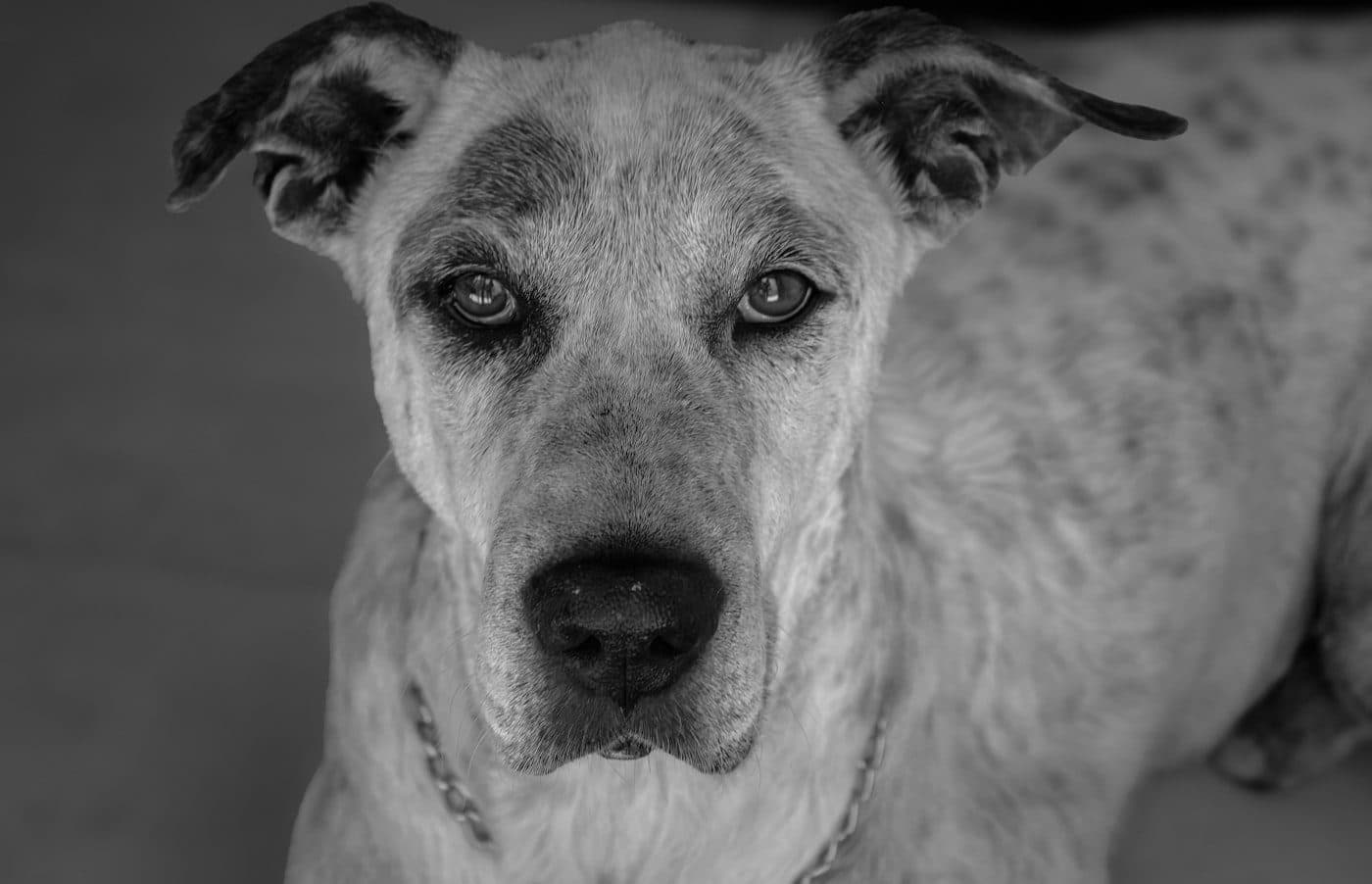
Dry Eye in Dogs (KCS): Symptoms, Treatment and What It Really Costs
Dry eye in dogs rarely looks dry. It looks gunky. Here is how to spot keratoconjunctivitis sicca early, what the vet will do, what treatment costs in the UK, and the one thing you must never put in the eye.
How to Get a Dog Used to the Vet: A Guide for Dog Owners
Help your anxious dog feel safe at the vet. Our complete guide covers vet socialisation, desensitisation, calming techniques, and what to do about fear or aggression.