
Getting a Puppy at Christmas: Should You, and How to Do It Safely
Can you get a puppy for Christmas? What UK rescue charities actually say, why January is often the better time, the laws that protect puppy buyers, the red flags of puppy farms and scams, and what to do if your puppy arrives in December.
Published 14 November 2026

"A dog is for life, not just for Christmas" is one of the best known charity slogans in Britain. Dogs Trust created it in 1978.
The slogan does not mean you can never get a puppy at Christmas. It means a puppy should never be a surprise or an impulse buy. If you have thought it through, the real question is how to do it well. Here is what the charities say, what the law says, and how to keep the first few weeks calm.
What Rescue Charities Say Now
Each charity has its own rules, so it is worth checking the one you plan to use rather than assuming.
- Dogs Trust says plainly that "the adopter chooses the dog themselves; we will not adopt dogs to be gifts." Its Irish centres paused adoptions over Christmas in 2018 and 2019 to discourage festive impulse buys. We could not find a current statement of a UK pause, so ask your local centre.
- Battersea does not allow dogs to be rehomed as surprises, because surprise dogs are one of the main reasons owners hand dogs back to them. It also says it may suggest you wait if you have a holiday coming up, since going into kennels straight after leaving a rescue centre is stressful for a new dog.
- RSPCA adoptions can include a home visit or a virtual home check before the dog comes home. Its current adoption pages do not mention a Christmas pause.
- Blue Cross asks you to apply online and then matches you with a pet. Its adoption pages do not mention a Christmas pause either.
The message is the same across all of them: the person who will live with the dog should be part of choosing it.
Is Christmas a Good Time for a New Puppy?
There are real advantages. Many people have a week or more off work, which gives you time for house training and settling in.
But Christmas also brings a lot of things a new puppy struggles with:
- Noise and visitors. A puppy in a new home needs quiet, plenty of sleep and a steady routine. A full house, crackers and party poppers are the opposite.
- Food everywhere. Chocolate, grapes, mince pies and cooked bones are all within reach of a curious puppy. Our guide to Christmas foods dogs can't eat has the full list.
- Travel plans. If you are visiting family, the puppy either comes along for long car journeys or stays behind with someone else, just days after leaving its mum.
- Short opening hours. Christmas Day 2026 is a Friday, and the Boxing Day bank holiday moves to Monday 28 December. Your vet may be on emergency cover only for much of that time.
- The first walk is weeks away. A puppy collected in mid December will often not be safe to walk until January, so the "puppy on Christmas morning" picture is mostly indoors.
The Alternative: Give the Plan, Collect in January
If you want a puppy to be part of Christmas, give the idea rather than the dog. Some ways families do it:
- wrap a lead, a collar or a book about the breed, with a note saying the puppy is coming in the new year
- plan visits to a breeder or rescue centre together after Christmas
- sponsor a rescue dog as a gift (Dogs Trust offers this from £1 a week) for someone who loves dogs but should not own one
You still get the excitement on Christmas morning, and the puppy arrives to a quiet house with your full attention.
Buying Safely in the UK
Demand for puppies rises in the run-up to Christmas, and so do the chances of being sold a sick or illegally bred dog. These are the rules that protect you.
Lucy's Law. Since 6 April 2020 it has been illegal in England to sell a puppy or kitten under six months old unless you bred it yourself. You must buy directly from the breeder or adopt from a rescue centre. Wales brought in its own ban on 10 September 2021, and Scotland on 1 September 2021.
See the puppy with its mother. Under the licensing rules in England, a licensed breeder may only show a puppy to a buyer if it is with its biological mother, and may only sell it from the premises where it was born and reared.
Eight weeks minimum. No puppy under 8 weeks may be sold or permanently separated from its mother.
Microchipping. All dogs in the UK must be microchipped and registered by 8 weeks old. Ask for proof, and remember that once the puppy is yours, keeping the details up to date is your job. You can be fined up to £500 if a dog is not chipped.
Use the Puppy Contract. The Puppy Contract is a free form developed by the RSPCA and the Animal Welfare Foundation. The breeder fills in details about the puppy and its parents, and it forms a contract of sale between you. Dogs Trust lists it among the paperwork you should agree with the breeder before you collect.
Red Flags for Puppy Farms and Scams
In a 2020 Dogs Trust survey of people who bought a puppy, 43% were not allowed to see the puppy with its mum, and 51% were not allowed to see it more than once. Walk away if you notice any of these:
- the mother is "at the vet", "asleep" or "out for a walk"
- the seller wants to meet in a car park, a lay-by or anywhere other than their home
- you feel rushed, or are asked for a deposit by bank transfer before you have seen the puppy
- the puppy is advertised as having a passport, which the RSPCA says usually means it was imported
- the same photos, wording or phone number appear on other adverts (a reverse image search or a quick search of the number can show this)
- words like "teacup" or "miniature", or promises of "free insurance" and "puppy packs" in place of proper paperwork
Action Fraud advised against paying for pets by bank transfer, because it offers little protection if the seller turns out to be a fraudster. If you are caught out in England, Wales or Northern Ireland, report it to Report Fraud (online or on 0300 123 2040), the service that replaced Action Fraud in December 2025. In Scotland, call Police Scotland on 101.
If Your Puppy Arrives in December
If you have planned it all and the puppy is coming before Christmas, these are the things to sort out first.
- Register with a vet before collection day, and find out who covers out of hours over Christmas and New Year.
- Book the vaccinations. Puppies usually have two injections two to four weeks apart, starting at around 6 to 8 weeks old, and can normally go for walks about a week after the second. Carry your puppy out in the meantime so they still see the world.
- Puppy-proof the house before the guests arrive. Keep food, sweets, presents and wrapping paper off low tables, and give your puppy a quiet room or crate to retreat to.
- Sort insurance early. Anything that shows up before your policy starts is likely to be treated as a pre-existing condition. Our guide to puppy insurance in the UK explains what to look for.
- Plan the next year. Our puppy's first year timeline sets out vaccinations, socialisation and training month by month.
A puppy who arrives in a calm house, with a vet lined up and a plan for the weeks ahead, can have a lovely first Christmas. It just will not look much like the adverts.
Sources
- Dogs Trust: our story (slogan created 1978)
- Dogs Trust: our rehoming policy and sponsor a dog as a gift
- Dogs Trust: buying a dog or puppy safely
- Irish Times: Dogs Trust pauses adoptions of rescue pets until after Christmas
- Battersea: dog rehoming FAQs
- RSPCA: how to adopt a rescue dog and buying a puppy: how to avoid puppy farms
- Blue Cross: our adoption process
- GOV.UK: Lucy's Law spells the beginning of the end for puppy farming (2020)
- legislation.gov.uk: dog breeding licence conditions, Schedule 6 (England)
- Welsh Government: stronger protection for puppies and kittens comes into force (2021)
- legislation.gov.uk: Animal Welfare (Licensing of Activities Involving Animals) (Scotland) Regulations 2021
- GOV.UK: get your dog or cat microchipped
- GOV.UK: UK bank holidays
- PDSA: dog vaccines and vet Q&A: new puppy questions
- PAAG: Dogs Trust reveals the "dogfishing" scam (2020 survey)
- PAAG: Action Fraud, fake pet adverts lead to over £3 million in losses (2019)
- GOV.UK: Report Fraud, new service from City of London Police
Common questions
Can you get a puppy for Christmas?
Yes, there is no law against it, and the time off work can help a puppy settle. But most rescue charities will not rehome a dog as a gift or a surprise, and the noise, visitors and food of Christmas Day make it a hard first week for a puppy. Many families find it easier to give the plan as the present and collect the puppy in January.
Do rescue centres stop rehoming over Christmas?
It depends on the charity and the centre. Dogs Trust says it will not adopt dogs to be gifts, and Battersea does not allow dogs to be rehomed as surprises. Dogs Trust Ireland has paused adoptions over Christmas in past years. Policies change, so check with your local centre before you plan around a date.
How old does a puppy have to be before it can leave its mum?
At least 8 weeks. In England it is illegal for a licensed breeder to sell a puppy under 8 weeks old or to permanently separate it from its mother before then, and the puppy must be microchipped and registered by 8 weeks too.
What is Lucy's Law?
Lucy's Law came into force in England on 6 April 2020. It bans the commercial third-party sale of puppies and kittens under six months old, so you must buy directly from the breeder or adopt from a rescue centre. Wales and Scotland brought in similar rules in 2021.
When can a puppy bought in December go for walks?
Usually around a week after their second vaccination, but it varies by vaccine, so ask your vet. Puppies normally have two injections two to four weeks apart, starting at around 6 to 8 weeks old. A puppy collected just before Christmas may not be ready for walks until well into January.
How do I spot a puppy scam?
Be wary of a seller who will not let you see the puppy with its mother at home, wants a deposit by bank transfer before you visit, offers to meet in a car park, or says the puppy has a passport. Reuse of the same photos or phone number across several adverts is another warning sign.
Read next
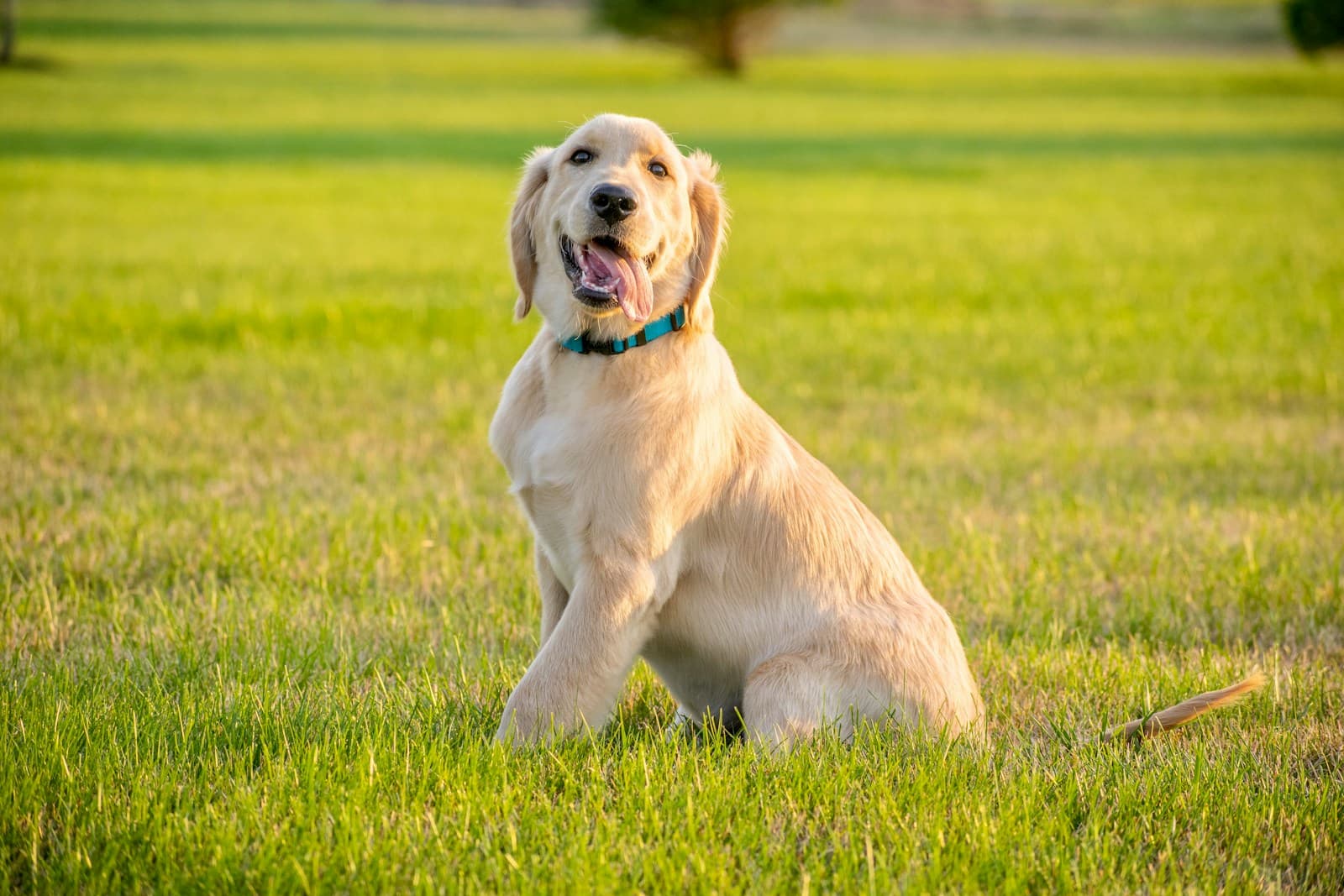
What Age Can a Puppy Start Agility? What to Teach Before the Jumps
A dog must be 18 months old to compete in UK agility, and the Royal Kennel Club advises no equipment work before a year. Why the wait matters for growing joints, and the groundwork a puppy can safely learn in the meantime.
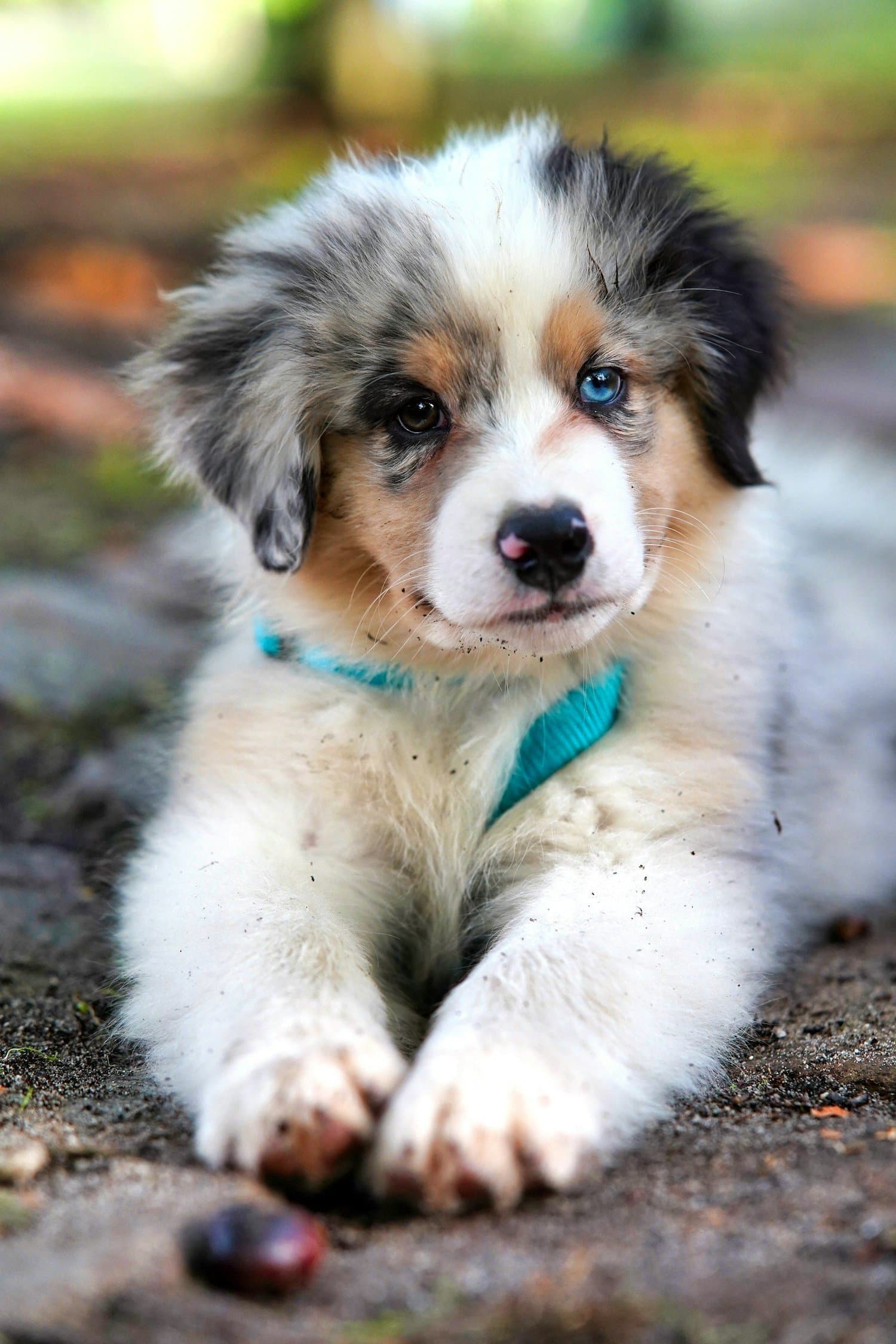
Your Puppy’s First Year: A Timeline for UK Pet Owners
A practical UK timeline for your puppy's first year: vaccination schedule, when puppies can go outside, fear periods, house training and the socialisation window.
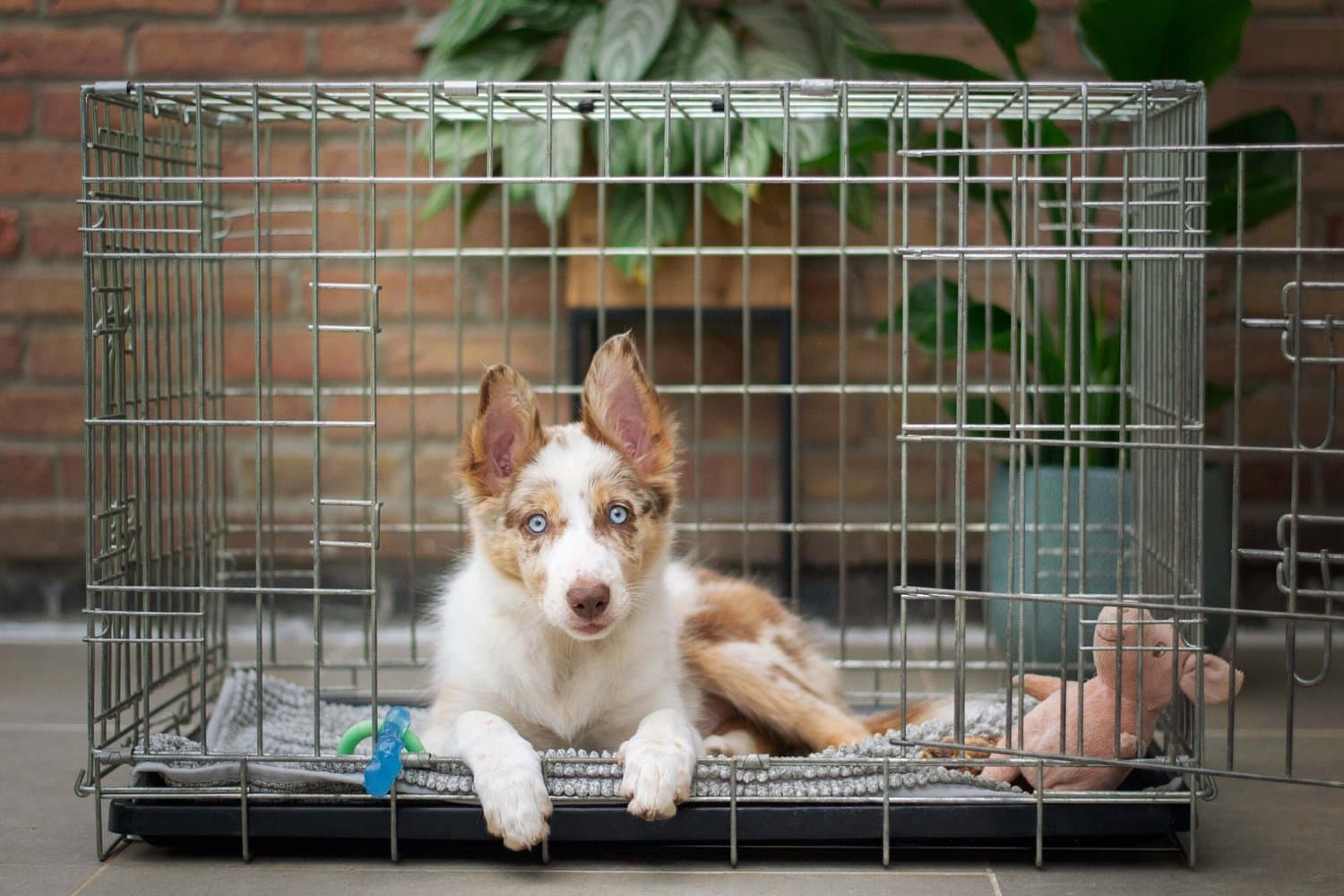
Crate Training for Dogs: Pros and Cons, and How to Crate Train a Puppy
Is crate training cruel or kind? The real pros and cons, the three-hour limit UK charities agree on, what size crate to buy, and a step-by-step plan for crate training a puppy.