
Preparing Your Dog for a New Baby: A Month-by-Month Plan
How to get your dog ready for a baby, starting about four months before the birth: new routines, baby gates, sounds and smells, the first introduction, the warning signs to watch for, and staying safe as your baby starts crawling and walking.
Updated 28 September 2026
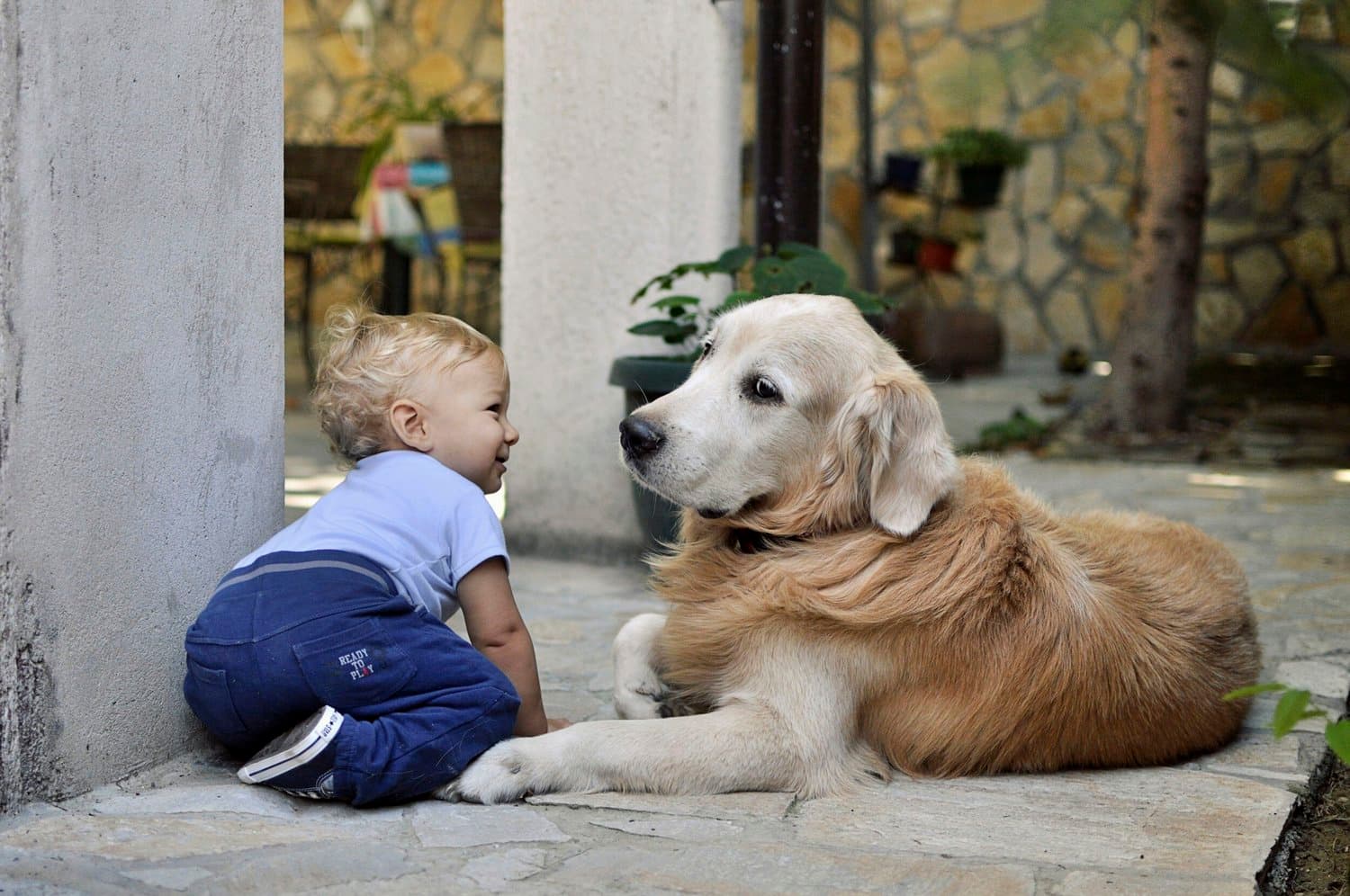
Most dogs cope well with a new baby, but the change is huge from their side: new smells, strange noises, shorter walks, visitors, and the people they love suddenly busy with something else. The dogs who adjust best are the ones whose lives start changing well before the baby comes home, so that the baby doesn't arrive at the same time as all the upheaval.
Here is a plan, based on advice from Dogs Trust and Blue Cross, that you can start at any point. If your baby is already here, skip to the introduction and safety sections and work backwards when you can.
Four Months Before: Change the Routine
Blue Cross suggests starting about four months before the birth. Think about what your dog's day will look like with a newborn, and move towards it now.
- Walks. If walks will be shorter, at different times or done by someone else, start that now. Practise walking your dog next to a pram or buggy, rewarding them for staying calmly by your side.
- Rooms. Decide where your dog will and won't be allowed. If the nursery will be off limits, fit a baby gate and start using it.
- Attention. Your dog will get less of you, so start having some quieter spells in the day where you're busy and they have a chew or a food toy.
- Sleep. If your dog sleeps on your bed or in your bedroom and that will change, move them now.
Two to Three Months Before: Teach the Useful Skills
- Settling behind a gate. Dogs Trust recommends teaching your dog to relax on the other side of a gate with a tasty treat or a stuffed food toy. You'll use this every day with a baby. If you'd like to use a crate as their den, our crate training guide covers how to make it a place they choose to go.
- Four paws on the floor. Hold a lifelike doll, and reward your dog whenever all four paws stay on the ground.
- Handling. Toddlers grab. Blue Cross advises getting your dog comfortable with being touched all over, with slow, gentle handling sessions while they're calm.
- "Leave it", "drop" and a solid recall. You'll need these with your hands full.
- Eating in peace. Blue Cross notes that many accidents happen when babies or toddlers approach a dog's food bowl, or try to take a chew. Start feeding your dog somewhere the baby will never reach. If your dog already guards food or toys, read our resource guarding guide and get help before the birth.
The Last Few Weeks: Sounds, Smells and Kit
- Baby sounds. Play recordings of babies crying and gurgling at a barely audible volume while your dog is eating or playing, and turn it up gradually over the weeks if they stay relaxed. Dogs Trust has free sound clips for this.
- Baby equipment. Set up the pram, cot, highchair and playmat gradually, and let your dog sniff them in their own time, with treats and praise.
- Baby smells. Use the lotions and wipes you'll be using. After the birth, someone can bring home a blanket or vest the baby has worn for your dog to sniff before you arrive.
- Arrange help. Line up a friend, family member or dog walker for the first couple of weeks, and for while you're in hospital.
The First Introduction
Dogs Trust suggests you can introduce them straight away or wait a day or two until things are calmer.
- Greet your dog first, without the baby. You've been away and they'll be excited. Have someone else hold the baby while you say hello, in case your dog jumps up.
- Pick a quiet room that isn't where your dog usually sleeps or eats.
- Sit down holding the baby and let your dog approach at their own pace, on a lead held by another adult if you're not sure how they'll react. Let them sniff, starting with the feet.
- Reward calm behaviour with praise and treats. Most dogs sniff for a few seconds and then lose interest.
- Stop calmly if your dog seems worried, and let them go to their own space. There's no need to force it.
Safe Setup at Home
The golden rule from Dogs Trust and Blue Cross: never leave your dog and baby alone together, not even for a moment. Not to answer the door, not to put the kettle on. The baby comes with you or the dog goes behind a gate.
- Baby gates on the nursery and the kitchen let your dog see you without being able to reach the baby.
- Keep the baby off the floor when the dog is in the room. Dogs Trust specifically advises against placing your baby on the floor next to your dog.
- Give your dog a bolt hole where they can rest undisturbed: a bed or crate in a quiet corner that people leave alone.
- Give them something to do while you feed or change the baby, like a long-lasting chew or a stuffed food toy behind the gate.
- Keep up the hygiene. The NHS advises regular worming for pet dogs, picking up dog poo quickly, and washing hands, as roundworm eggs can make children ill. Check your dog's worming is up to date before the birth.
Warning Signs to Watch For
Dogs usually give quiet signals long before they growl or snap. Dogs Trust's body language guide lists the early ones:
- turning their head or body away
- licking their lips when there's no food around
- yawning when they're not tired
- showing the whites of their eyes ("whale eye")
- ears pulled back, tail lowered, tension in the face or body
- moving away, or freezing
If you see these around the baby, calmly give your dog more distance. Never tell a dog off for growling. It's their way of warning you, and a dog who is punished for warning may bite without one.
Some licking is normal, but a sudden increase can be a sign of stress. Our guide to why dogs lick covers the difference.
When the Baby Starts Moving
Things change again once your baby rolls, crawls and pulls themselves up. Dogs Trust's advice for families with young children comes down to stay close, step in, separate:
- Stay close and watch whenever they're together.
- Step in early if your child is grabbing, following the dog or climbing on them, or your dog is showing those warning signs.
- Separate with gates, playpens or closed doors whenever you can't watch properly.
As your child gets older, teach them that dogs need space when they're eating, sleeping, resting or playing with a toy, and that hugs and kisses can make a dog feel trapped. Gentle strokes, where the dog can choose to walk away, are better. Keep the dog's bed, bowls and toys out of your toddler's reach, and never let a child take things off the dog.
Getting Help
If your dog seems stressed, is avoiding the baby, or has growled, act early. Book a vet check to rule out pain, then speak to a qualified behaviourist. The Dogs Trust Behaviour Support Line is free on 0303 003 6666.
Sources
Common questions
When should I start preparing my dog for a baby?
Blue Cross suggests starting around four months before the birth. That gives you time to change your dog's routine, fit baby gates and teach them to settle on their own, so they don't link all the upheaval with the baby's arrival.
How do I introduce my dog to my newborn?
Greet your dog first without the baby, as they may jump up. Then sit calmly holding the baby in a quiet room, let your dog come over and sniff, starting with the feet, and reward them with praise and treats for staying calm. Most dogs sniff for a few seconds and lose interest.
Can my dog sleep in the same room as my baby?
Keep your dog out of the room where your baby sleeps. Dogs Trust and Blue Cross both advise never leaving a dog and baby alone together, and a sleeping baby is a baby you aren't watching. A gate across the nursery door is the simplest fix.
Should I let my dog lick my baby?
It's best to discourage it, for hygiene and because a dog that close to a baby's face is hard to supervise safely. Gently call your dog away and reward them for coming, rather than telling them off. Keep your dog's worming up to date and wash your baby's hands, as the NHS advises for protecting children from roundworm.
What should I do if my dog growls at my baby?
Calmly move the baby away and give your dog space. Don't tell your dog off, because a growl is a warning and punishing it can lead to a bite without one. Keep them apart with gates, see your vet to rule out pain, and call a qualified behaviourist or the Dogs Trust Behaviour Support Line on 0303 003 6666.
Read next
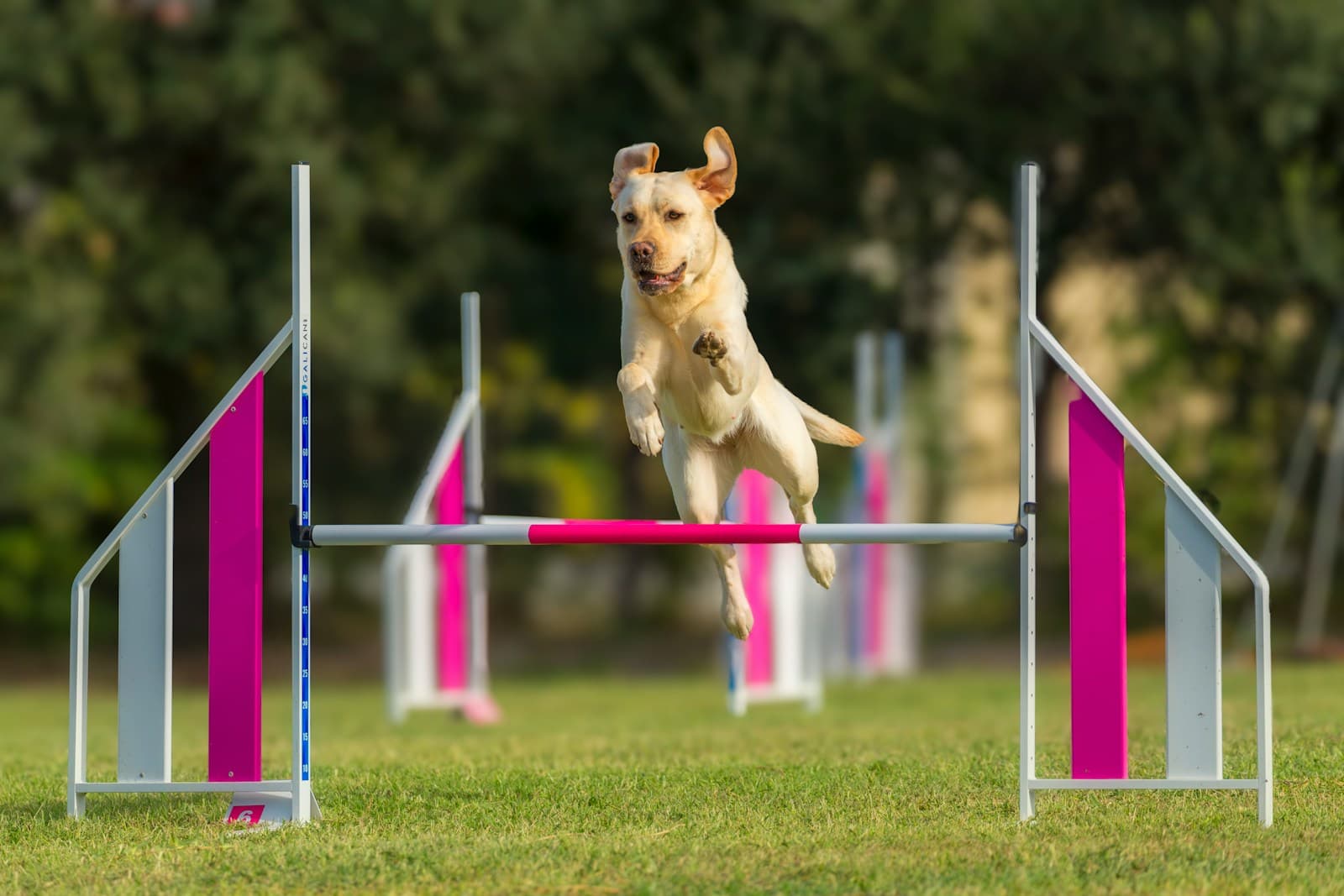
Agility Equipment for the Garden: What's Worth Having and How to Use It Safely
Jumps, a tunnel and weave poles are the three pieces worth having at home, and contact obstacles are best left to your club. What to look for in each, the sizes used at UK shows, and how to practise without injuring your dog.
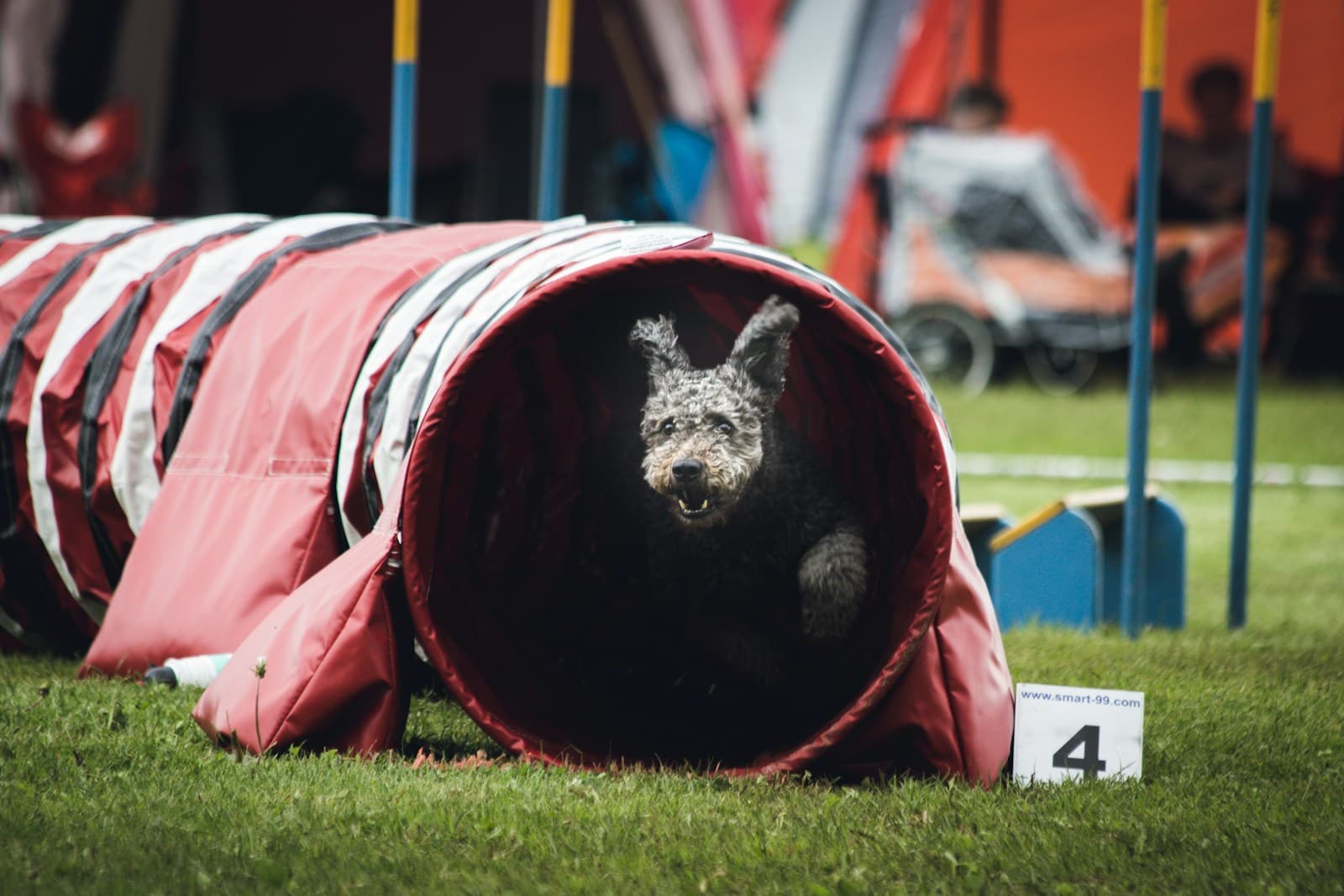
Hoopers vs Agility: Which Dog Sport Suits Your Dog?
Hoopers swaps agility's jumps and weave poles for hoops, barrels and tunnels, so it is far gentler on joints. How the two sports differ, which dogs and handlers each one suits, and how to find a class in the UK.
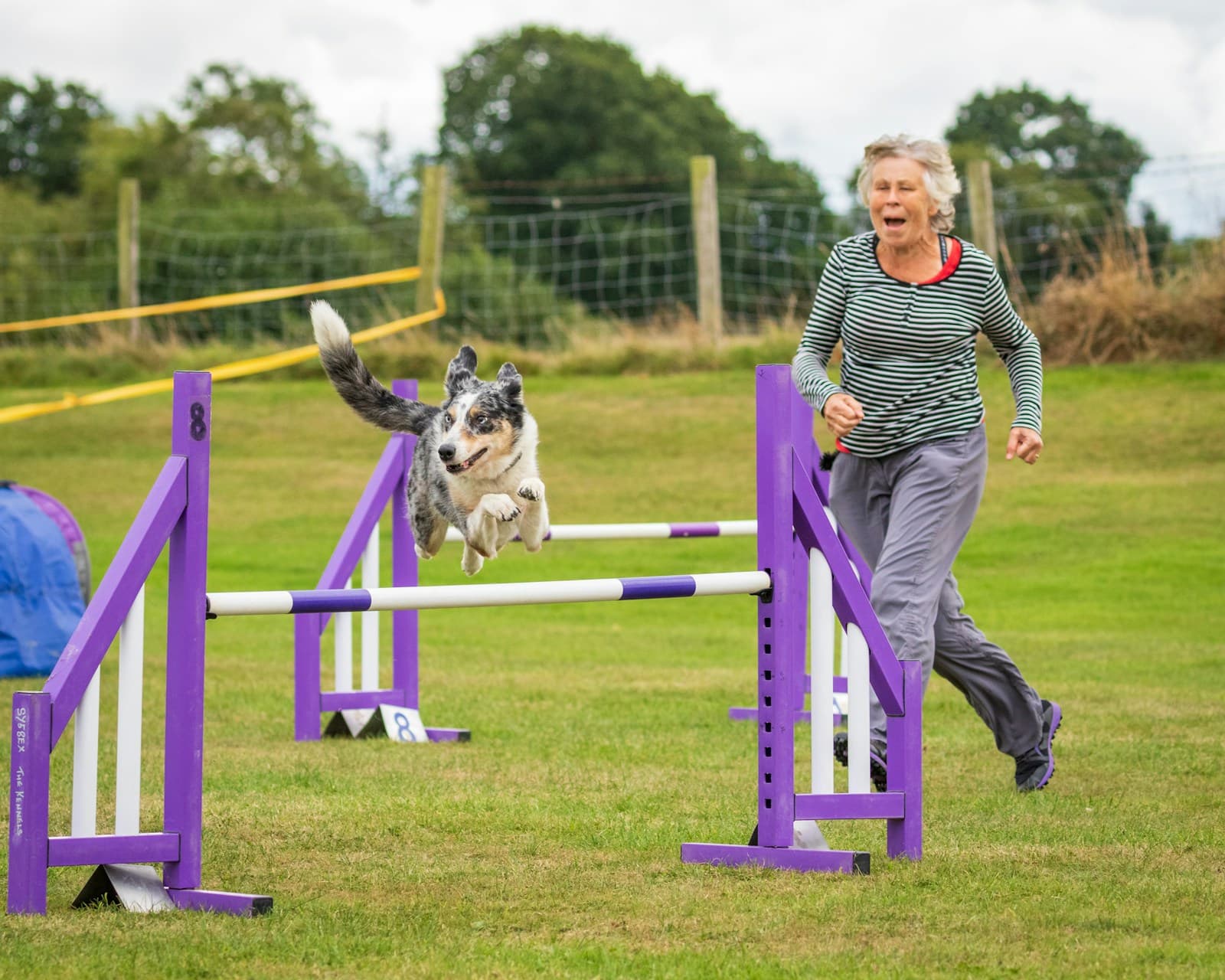
How to Start Dog Agility in the UK: A Beginner's Guide
Any dog can try agility, pedigree or not. How to find a club near you, what a first session is like, what it costs, and how you get from your first tunnel to your first Royal Kennel Club show.