
What to Ask Your Vet: Questions for Choosing a Practice and at Every Appointment
The questions worth asking when you choose a vet and at appointments: who owns the practice, out-of-hours cover, written prescriptions, estimates and insurance claims, plus what the CMA's new rules will give you and when.
Updated 28 September 2026
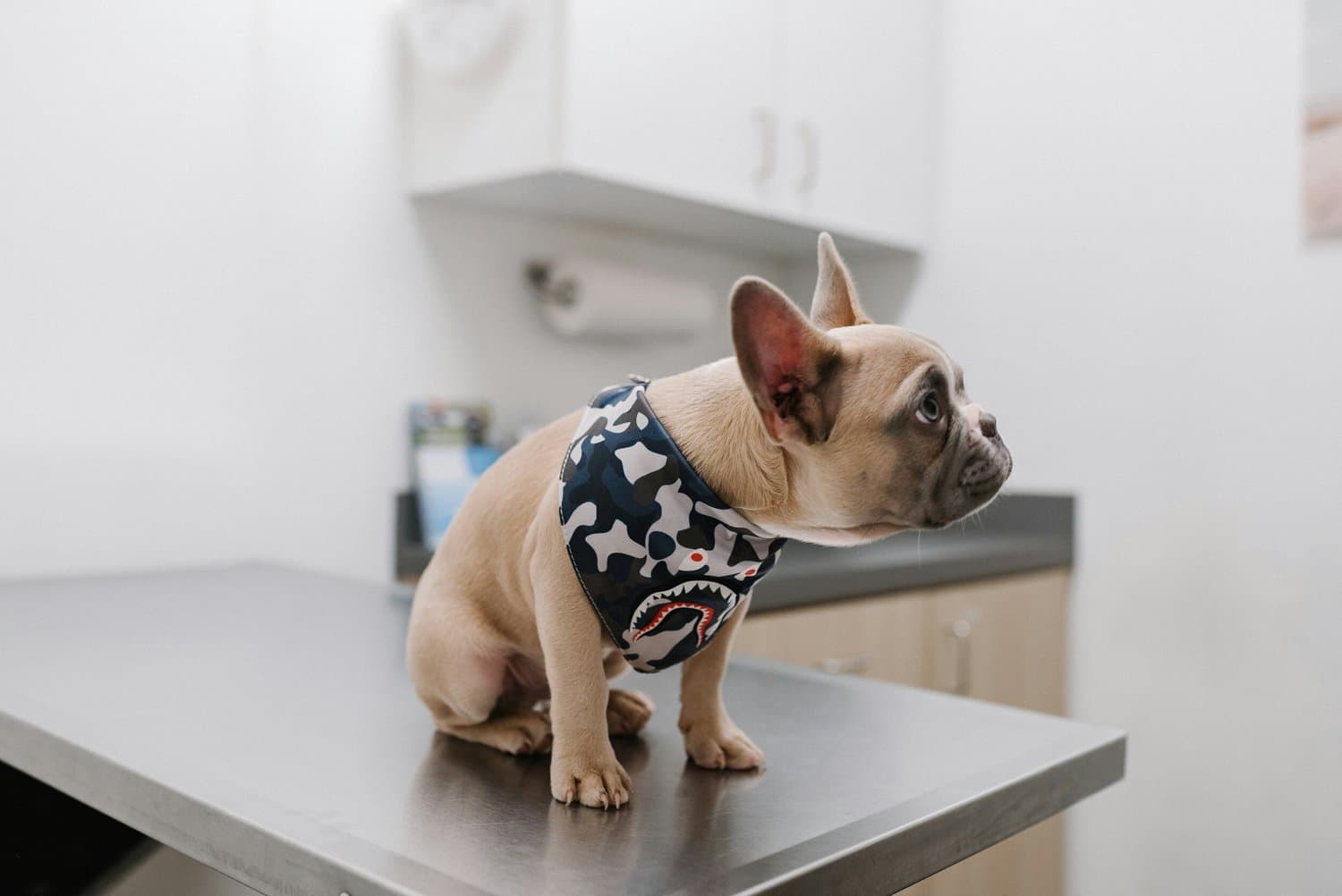
Most of us only think about what to ask the vet once we're in the consulting room, with a worried dog on the table and ten minutes on the clock. The questions that save the most money and stress are often better asked earlier: when you register, and before you agree to treatment.
This guide covers both. It also covers the new rights the Competition and Markets Authority (CMA) is giving owners. The CMA's legal order was made on 22 September 2026, but most of its requirements don't apply until 2027, and the dates depend on whether your practice belongs to a large group (15 or more practices or out-of-hours centres) or a smaller business. For the full timetable, see our guide to the vet prescription fee cap.
When You're Choosing a Practice
"Who owns this practice?" Many practices keep their local name after being bought by a large group, so the name on the sign doesn't tell you much. The CMA found owners pay more on average at the large groups. From 22 March 2027, every practice must show clearly whether it is part of a group, at the premises and online. Until then, ask.
"Where do you send emergencies at night and at weekends?" The RCVS requires practices to give clients full details of their out-of-hours cover, including phone numbers, where the service is, when it runs and the likely initial costs. Many practices send emergencies to a separate provider, which may be a drive away. Find out where before you need it.
"Can I see your price list?" Ask for the cost of a standard consultation, vaccinations, neutering and a dental. Large groups must publish price lists for common services by 22 December 2026, and smaller practices by 22 March 2027. The list must include the cost of a written prescription and cremation options.
"Are you an RCVS-accredited practice?" The RCVS Practice Standards Scheme is voluntary. Accredited practices are inspected every four years, and the core standards include hygiene, 24-hour emergency cover and cost estimation procedures. You can check a practice on the RCVS Find a Vet search.
"Do you do direct insurance claims, and with which insurers?" With a direct claim, the practice bills your insurer and you pay only the excess and any co-payment. Not every practice offers it, and not with every insurer, so ask before your dog needs expensive treatment. If you're still choosing a policy, our guide to the best pet insurance can help.
"What does your health plan include, and what would it cost without it?" Monthly health plans can be good value, but only if you'd have used everything in them. The CMA's order requires practices to publish standard information about their plans on the same dates as their price lists.
At Routine Appointments
- "Is my dog a healthy weight?" Ask the vet or nurse to show you how to body condition score your dog at home. Our calorie calculator gives a starting point for how much to feed.
- "Which vaccinations does my dog actually need?" Ask what's core, what's optional, and why, based on where you live and walk, and whether your dog goes to kennels or daycare.
- "What flea, tick and worming routine do you recommend, and can I have a prescription for it?" Parasite treatment is one of the biggest ongoing costs, and one of the easiest to buy elsewhere with a prescription.
- "How are their teeth?" Dental disease is common and easy to miss. Our dental care guide covers brushing at home.
- "Is the microchip reading, and are my details right?" Ask the vet to scan it, then check your details with the microchip database. In England, keeping them up to date is a legal requirement.
- "Is this lump, limp or change something to watch or to test?" Ask what would make it worth coming back.
If your dog finds the vet stressful, tell the practice when you book. They may offer a quieter time or let you wait outside. Our guide to getting your dog used to the vet has more.
When Your Dog Needs Treatment
"What are the options, and what does each one cost?" There's often more than one reasonable way to investigate or treat a problem, at very different prices. The RCVS expects vets to discuss the range of options with you, and the CMA's order requires practices to have policies that let their vets give impartial advice about treatment and referral options and their costs.
"Can I have that estimate in writing?" You can ask for a written estimate now, for anything. Once the order applies (22 June 2027 for large groups, 22 September 2027 for smaller practices), practices must give you one when treatment is likely to cost £500 or more, in time for you to think it over and get a second estimate if you want to. It must be updated if costs look like going up significantly. Emergencies are the exception: the estimate comes once the emergency is over.
"Can I have a written prescription instead?" You already have the right to ask. The RCVS says practices must not treat you differently if you buy medicines elsewhere, and that you should use an online retailer accredited by the Veterinary Medicines Directorate. From the same 2027 dates, the vet must offer you a prescription whenever they prescribe a medicine, unless it's needed urgently or must be given at the practice. The fee cap of £21.40 for the first medicine and £12.70 for each additional one applies from 22 March 2027 at large groups and 22 September 2027 at smaller practices, and from then the vet must prescribe the same length of course whether you buy the medicine from them or elsewhere.
"Is this an own-brand medicine?" Some groups sell their own versions of common medicines. From the same 2027 dates, your vet must tell you when they prescribe one, and give you the name of the equivalent product you could buy elsewhere.
"Will you claim directly from my insurer?" Ask before treatment, especially for anything large. Your insurer may want to agree the claim in advance.
"Can I have an itemised bill?" From 22 June 2027 (large groups) or 22 September 2027 (smaller practices), every bill must be itemised, showing individual medicines separately. Until then, ask for one.
If Something Goes Wrong
Raise it with the practice first, in writing if possible. From 22 March 2027, every practice must have a clear in-house complaints process, keep a log of complaints, and take part in mediation if a complaint can't be resolved.
For what to do before you reach the vet in an emergency, see our dog first aid guide.
Sources
- Veterinary Services Market Investigation Order 2026 and supporting documents
- CMA: market investigation concludes with major reforms to the veterinary sector
- RCVS: prescription medication
- RCVS: 24-hour emergency first aid and pain relief
- RCVS: accredited practices
- Petplan: pet insurance that pays the vet directly
Common questions
Can I ask my vet for a written prescription?
Yes. The RCVS says owners can buy medicines from the practice or ask for a written prescription and buy them elsewhere, and vets must not treat you differently for doing so. The practice can charge for the prescription. Under the CMA's order, that fee will be capped at £21.40 for the first medicine and £12.70 for each additional one, from 22 March 2027 at large groups and 22 September 2027 at smaller practices.
How do I find out who owns my vet practice?
Ask at reception, or check the practice website. Many practices trade under their original local name after being bought by a large group. The CMA's order requires every practice to show clearly which group owns it, on its premises and online, from 22 March 2027.
Do vets have to give you an estimate?
At the moment you can always ask for one, and it's worth doing before any treatment. Under the CMA's order, practices will have to give a written estimate when treatment is likely to cost £500 or more, from 22 June 2027 at large groups and 22 September 2027 at smaller practices. Emergencies are handled differently.
Will my vet claim directly from my pet insurance?
Many practices will, but not all, and not with every insurer. With a direct claim, the practice sends the bill to your insurer and you pay only your excess and any co-payment. Ask the practice before treatment, and check your policy allows it.
What should I ask my vet about out-of-hours emergencies?
Ask who provides emergency cover at night and at weekends, where they are, and roughly what an emergency consultation costs. The RCVS requires practices to give clients full details of their out-of-hours arrangements, including when the service is outsourced to another provider.
Read next

Are Conkers Poisonous to Dogs? Conkers, Acorns and Other Autumn Hazards
Yes, conkers and acorns are both poisonous to dogs, and whole ones can cause a blockage. What they do, how quickly symptoms start, how to tell conkers from sweet chestnuts, and what to do if your dog eats one.
Why Are My Dog's Eyes Gunky? What Eye Discharge Actually Means
A bit of sleep in the corner of the eye is normal. Thick, coloured or returning discharge is not. Here is what each type usually means, the one question that narrows it fastest, and when it is a same-day vet job.
Dry Eye in Dogs (KCS): Symptoms, Treatment and What It Really Costs
Dry eye in dogs rarely looks dry. It looks gunky. Here is how to spot keratoconjunctivitis sicca early, what the vet will do, what treatment costs in the UK, and the one thing you must never put in the eye.