
Walking Your Dog After the Clocks Go Back: Staying Safe in the Dark
The clocks go back on Sunday 25 October 2026, and sunset jumps to before 5pm overnight. How to keep your dog safe and visible on dark walks, what the Highway Code and the law say, and how to shift your dog's routine.
Published 10 October 2026
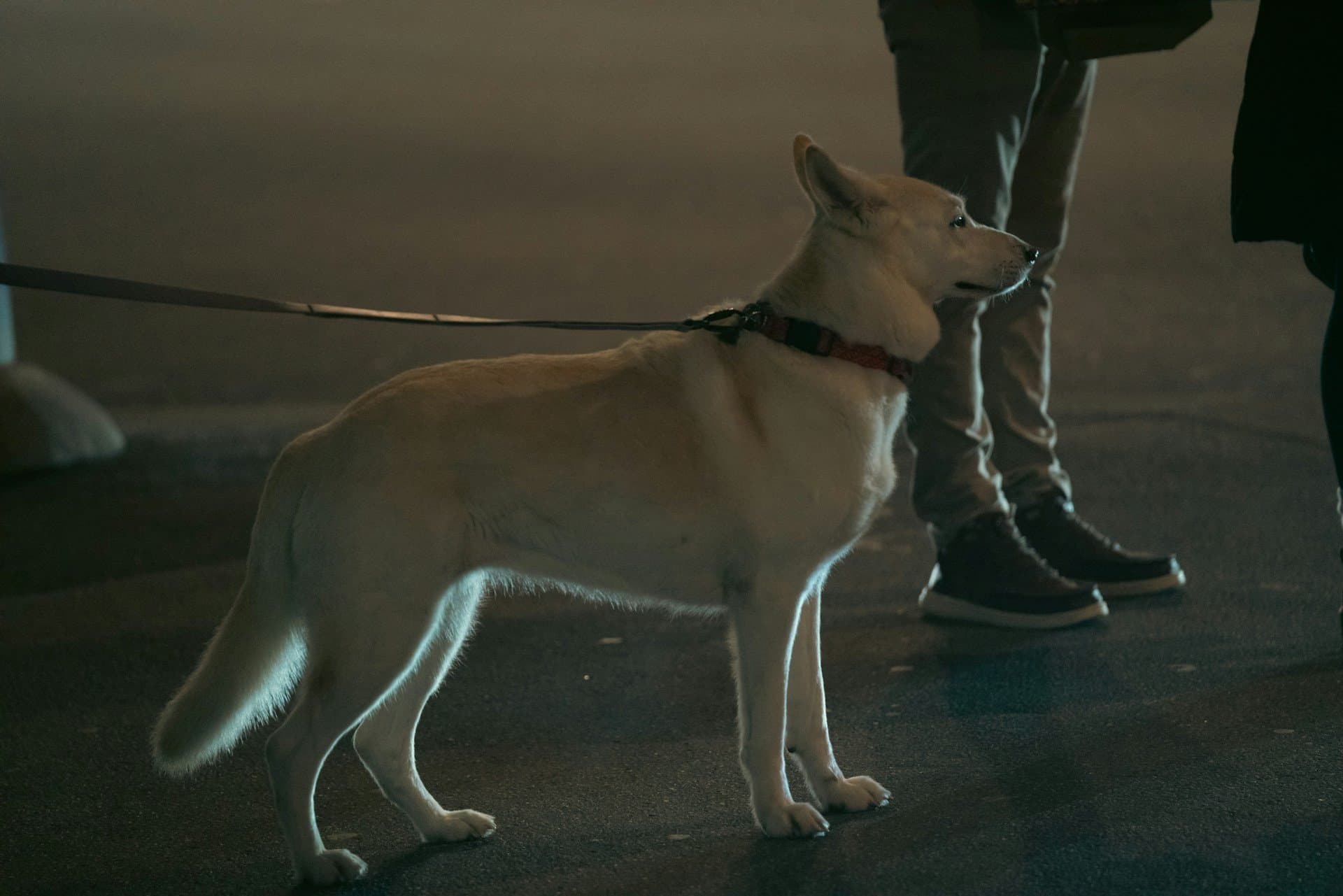
The clocks go back at 2am on Sunday 25 October 2026. It is lighter in the mornings for a while, but the evening walk changes overnight. In London, sunset is around 5.50pm on the Saturday and before 4.50pm on the Sunday. By the shortest day, 21 December, it is dark before 4pm across most of the UK.
For many owners that means walking in the dark at least once a day until February. Here is how to make it safe, and how to help your dog cope with the change in routine.
Be Seen: Light Up You and Your Dog
The biggest risk on a dark walk is not being seen by drivers and cyclists. Dark dogs and dark coats disappear at night.
- Put a light on your dog. An LED collar, a clip-on light or a light-up lead makes a dog visible from a distance. Dogs Trust recommends a coat with reflective features, a flashing collar or a light attachment.
- Add reflective kit. A reflective or hi-vis harness or coat catches car headlights.
- Light up yourself too. The Highway Code tells pedestrians to wear something light-coloured, bright or fluorescent in poor daylight, and something reflective after dark.
- Carry a torch or wear a head torch. You need to see where you are walking, spot hazards on the path, and find what your dog leaves behind.
Keep Your Dog on a Short Lead
After dark, PDSA's advice is to keep your dog on the lead, because there could be hidden hazards you cannot see. Even a dog with good recall can bolt after a fox or at a sudden noise, and a black dog in a dark field is very hard to find. Use a short, fixed lead rather than an extendable one, which will not give you enough control if your dog suddenly heads for the road.
The Highway Code is clear on this near traffic. Rule 56 says:
Do not let a dog out on the road on its own. Keep it on a short lead when walking on the pavement, road or path shared with cyclists or horse riders.
If there is no pavement, the Highway Code says to keep to the right-hand side of the road so you can see oncoming traffic. Keep your dog on the side away from the cars.
Check Their Tag and Microchip
A dark evening is when dogs get lost. Two separate laws apply, and you need both:
- Collar and tag. Under the Control of Dogs Order 1992, a dog in a public place must wear a collar with the owner's name and address on it or on an attached tag. Adding a phone number is sensible.
- Microchip. Every dog in the UK must be microchipped and registered by 8 weeks old, and the details must be kept up to date. An unchipped dog, or a chip that is not registered, can each mean a fine of up to £500.
If you have moved house or changed your number since your dog was chipped, update the database now.
Change Your Route, Not Just Your Time
- Walk somewhere familiar. A route you know in daylight is far easier after dark.
- Check park opening times. Many parks close at dusk once the clocks change. In London, Regent's Park closes its gates at dusk, while Hyde Park stays open until midnight. Opening hours vary by council, so check yours before you set off.
- Move the long walk. If your dog needs proper exercise, a longer walk at lunchtime or at the weekend, in daylight, can take the pressure off the dark evening one.
Helping Your Dog Adjust to the New Routine
Dogs like routine, and to your dog the change looks like breakfast arriving an hour late. PDSA suggests moving your dog's morning routine 10 minutes later each day in the week before, until you have made up the hour. After the change, you may also want to start the evening walk a little earlier, to get more of it done in the light.
The good news is that most dogs cope well. A 2025 study that tracked dogs' activity across the autumn clock change found that pet dogs showed no change in their morning activity afterwards, because they simply followed their owners' new routine. So if your dog is relaxed about change, a gradual shift is a nice extra rather than a must. It is worth doing for older dogs, especially any with dementia, and for anxious dogs who find changes hard. If your dog is on medication at set times, ask your vet how to handle the change.
Winter Walking Hazards to Watch For
- Grit and rock salt can irritate paws. Wipe your dog's feet, legs and belly after a walk, especially if they might lick them clean.
- Antifreeze is extremely poisonous to dogs and tastes sweet. If you think your dog has licked any, call your vet straight away rather than waiting for symptoms.
- Cold. Short-haired breeds, small dogs, puppies and older dogs may need a coat once it gets chilly.
- Frozen ponds and lakes. Keep your dog off the ice. If they fall through, do not go in after them. Call the emergency services.
The week after the clocks change brings Halloween and the start of fireworks season. Our guides to Halloween dangers for dogs and calming a dog during fireworks will help you plan for both.
Sources
- GOV.UK: when do the clocks change?
- The Highway Code: rules for pedestrians and rules about animals
- The Control of Dogs Order 1992 and GOV.UK: get your dog microchipped
- PDSA: staying safe on winter walkies, road safety tips and pets and daylight saving
- Dogs Trust: cold weather advice
- Nagendran et al. (2025), The impact of Daylight Saving Time on dog activity, PLOS ONE
- The Royal Parks: Regent's Park and Hyde Park opening times
Common questions
When do the clocks go back in 2026?
At 2am on Sunday 25 October 2026, when British Summer Time ends and the clocks go back one hour to 1am. It gets light an hour earlier in the morning and dark an hour earlier in the evening.
Should I let my dog off the lead in the dark?
PDSA's advice is no, because there could be hazards you cannot see, and a dog that runs off is much harder to find in the dark. If your dog needs a run, do it in daylight, or in a secure, enclosed space you know well.
Does my dog legally have to wear a collar and tag?
Yes. Under the Control of Dogs Order 1992, a dog in a public place must wear a collar with the owner's name and address on it or on a tag attached to it. A microchip does not replace this. Your dog must be microchipped and wear a tag.
How do I get my dog used to the clocks changing?
PDSA suggests moving your dog's morning routine 10 minutes later each day in the week before, until you have made up the hour. Research suggests most pet dogs adjust quickly and follow their owner's routine rather than the daylight, so if your dog is relaxed about change, you may not need to bother.
What is the best light for a dog walking in the dark?
Something that makes your dog visible from all sides. A light-up LED collar or clip-on light, a reflective or hi-vis harness or coat, and a hi-vis lead all help. Carry a torch or wear a head torch too, so you can see where you are putting your feet and pick up after your dog.
Read next
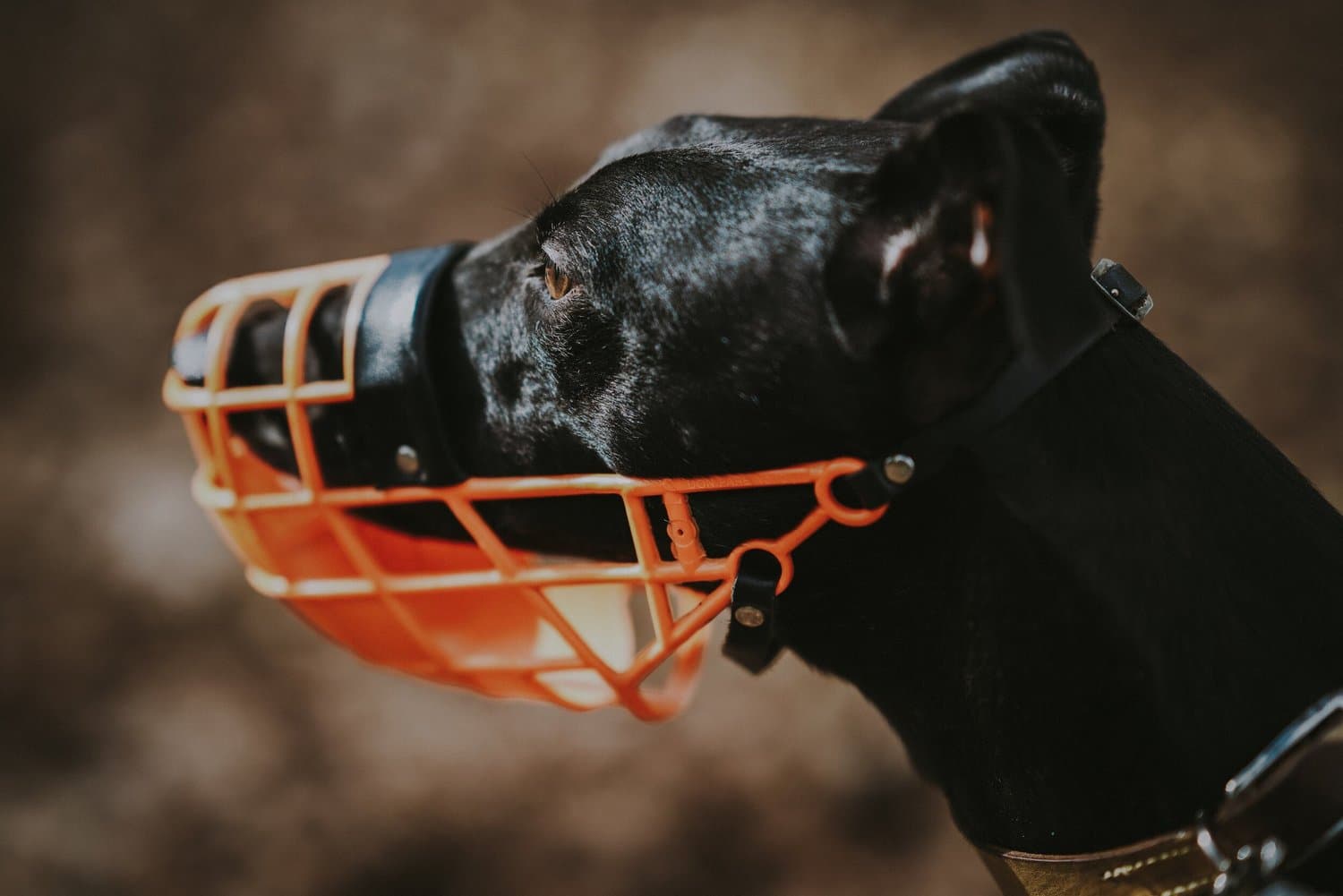
Guide to Muzzle Training for Dogs in the UK
Explore our step-by-step guide to positive muzzle training for dogs. Learn how to select the right muzzle, create positive associations, and safely introduce your dog to a muzzle. Understand the benefits, debunk myths, and discover practical tips.
UK Dog Walking Laws: The Rules Every Dog Walker Should Know
The UK laws that apply every time you walk your dog: collar tags, microchips, dangerously out of control, the tougher 2026 livestock worrying rules, lead laws on access land, council PSPOs and fouling fines. Scotland covered too.
XL Bully Rules in the UK: What Exempted Owners Must Do From November 2026
From 1 November 2026, children under 12 must be supervised around an exempted XL bully in private. The full UK exemption rules, updated October 2026.