
Choosing a Dog Lead in the UK: Types, Lengths, Materials and the Rules
Which dog lead to use and when: fixed, double-ended, long line, slip, retractable, bungee and hands-free leads compared, the best materials for wet UK walks, and the UK rules on collar tags and council lead-length limits.
Updated 28 September 2026
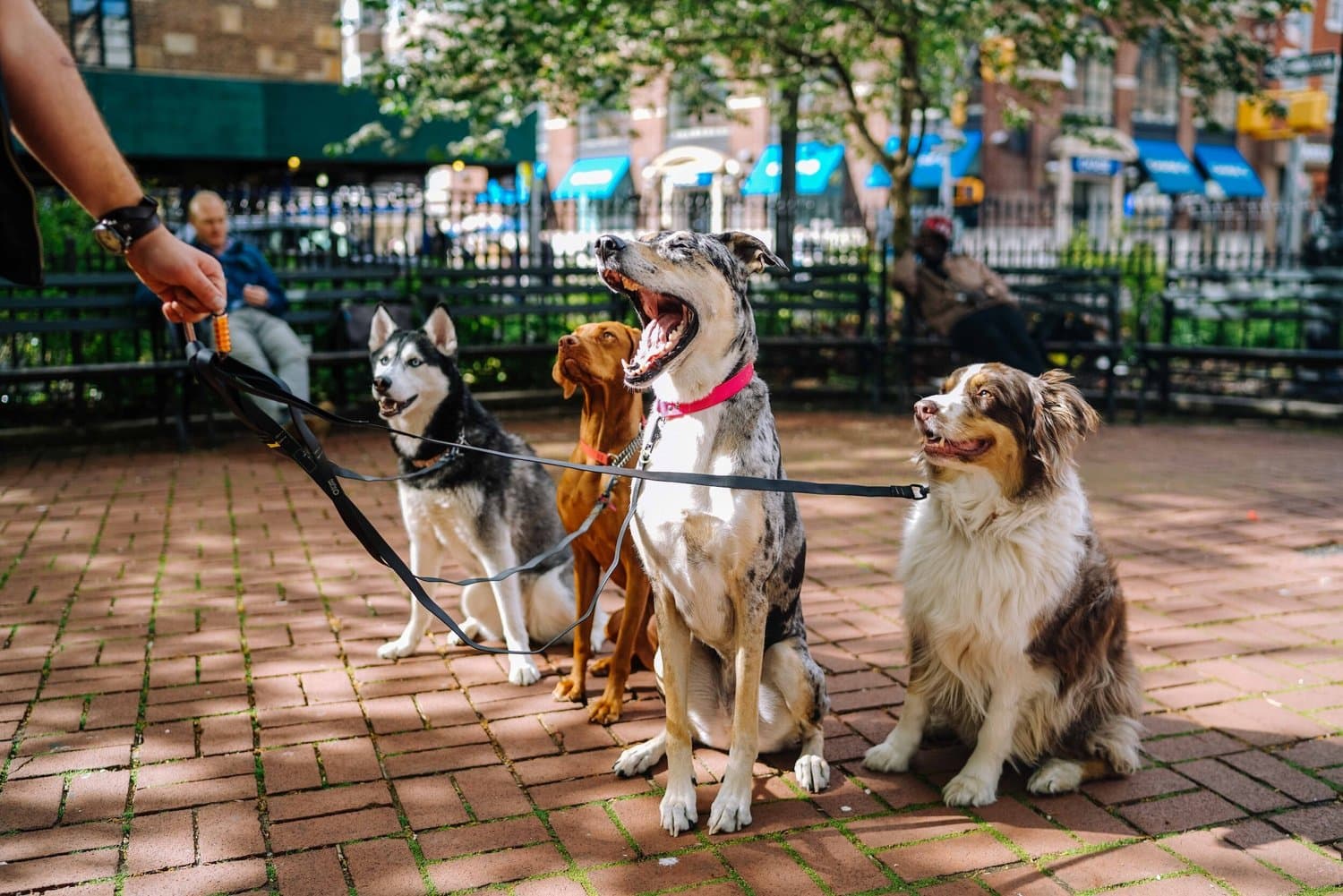
Most dogs need more than one lead. A short, fixed lead for pavements, a long line for practising recall in the park, and perhaps something hands-free for running. The right lead depends on where you're walking and what you're working on, and in the UK there are also a couple of rules to know about.
The Main Types of Lead
Standard fixed-length lead
A single length of material with a clip at one end and a handle at the other. This is the everyday lead, and it's what Dogs Trust recommends for walking your dog: "a flat, fixed-length clip lead". The length never changes, so your dog learns exactly where the end is, which makes loose-lead walking far easier to teach.
Most standard leads are between about 1 and 2 metres. Shorter is handy for busy pavements and crossing roads, longer gives your dog room to sniff.
Double-ended or training lead
A lead with a clip at each end and one or two metal rings along its length, so you can clip it back on itself at different lengths. You can use it short in town and long in the park, clip it round your waist, or attach one end to the front of a harness and the other to the back, which gives you more control with a dog who pulls. It's a good first lead if you only want to buy one.
Long line
A fixed lead of anything from about 3 to 30 metres, used for recall training and for giving a dog freedom where they can't safely be let off. Battersea recommends always clipping a long line to a harness, not a collar, so your dog is less likely to be hurt if they run to the end. Hold it in two hands, let it slide rather than stopping your dog dead, and don't wrap it around your hand or fingers. A 5 to 10 metre line is plenty for most recall work and much easier to manage than a 30 metre one.
Slip lead
A lead with a loop at one end that goes over the dog's head and tightens when pulled. Vets and rescue centres use them because they fit any dog in seconds. For everyday walking, we wouldn't use one: there's nothing to stop the loop tightening on the throat, so a dog who pulls or lunges is putting pressure on their neck with every step. If you do use one, for getting a dog in and out of the car, say, fit the stopper so the loop can't close too far.
Retractable (extendable) lead
A thin cord or tape on a spring-loaded reel with a lock button. They're popular, but there are good reasons not to use one in town:
- The Highway Code (rule 56) says to keep a dog on a short lead on the pavement, the road and paths shared with cyclists or horse riders. A dog on 5 metres of cord can be in the road or across a cycle path before you can lock it.
- Council rules. Many local lead-length limits are 2 metres (more on these below).
- Training. Dogs Trust says flexi-leads give extra length when your dog pulls, so they can cause confusion during lead training. Your dog learns that pulling gets them further.
- Injuries. A thin cord that wraps around a leg or a hand under tension can cut or burn skin, and if you drop the handle, the reel can clatter along behind a frightened dog.
If you want more freedom for your dog in open spaces, a long line does the same job with more control.
Bungee lead
A lead with an elasticated section to absorb jolts. It's easier on your shoulder with a dog who lunges occasionally, but, as Dogs Trust points out, it gives extra length when your dog pulls, which undoes loose-lead training. Save it for canicross or running, where some give is useful.
Hands-free lead
A lead that clips to a waist belt, used for running, hiking and pushing a pram. It's only a good idea with a dog who already walks well on a loose lead. A strong dog lunging at a squirrel can pull you off your feet when the lead is fixed to your middle.
Choosing the Right Size
- Clip and weight. Dogs Trust suggests thinking about the weight of the lead and clip for the size of your dog. A heavy trigger clip bouncing under a small dog's chin is uncomfortable, and a flimsy clip on a big, strong dog can open or break.
- Width. Narrow leads suit small dogs. A wider lead is more comfortable in your hand with a big dog, and much easier to grip than a thin cord.
- Handle. A padded handle helps on long walks. A second "traffic handle" near the clip is useful for keeping a big dog close at a kerb.
- Check it regularly. Look for fraying, cracks and chew marks, and check the clip closes firmly. Replace a lead at the first sign of wear.
Materials for UK Weather
- Coated webbing (often sold as biothane). Polyester webbing with a plastic coating. Waterproof, doesn't absorb mud or smells, and wipes clean. Ideal for long lines, which spend most of their life dragging through wet grass.
- Nylon webbing. Light, cheap and comes in every colour. It soaks up water and gets smelly, and a thin nylon line can burn your hands if it's pulled through them quickly.
- Rope. Comfortable to hold and strong. Slow to dry.
- Leather. Soft on your hands and lasts for years if cared for. Leather needs drying and conditioning after wet walks, or it can stiffen and crack.
- Reflective or light-up. From October to February, a reflective or LED lead makes a real difference. Our guide to walking your dog in the dark has more on staying visible.
Collar or Harness?
Where you clip the lead matters as much as the lead itself. Dogs Trust says harnesses are a useful way to reduce the risk of neck injury. Clip long lines to a harness, and avoid harnesses that cross directly in front of the shoulders, which Dogs Trust says prevents natural movement. Our harness sizer will give you a starting size from three measurements.
Your dog still needs a collar and tag. Under the Control of Dogs Order 1992, every dog on a road or in a public place must wear a collar with the owner's name and address inscribed on it, or on a plate or badge attached to it. The order says nothing about harnesses, so a tag on a harness doesn't meet the wording. A microchip doesn't replace the tag either. There are exemptions for some working dogs, including police dogs, registered guide dogs, and dogs being used for sport or for herding cattle or sheep.
Council Lead-Length Rules
Many councils in England and Wales use Public Spaces Protection Orders (PSPOs) to set dog rules in particular places, such as roads, cemeteries, sports pitches and seafronts. Where a PSPO says your dog must be on a lead, it often sets a maximum length. Some examples:
- Medway requires a lead of not more than 2 metres "from handle to collar" on every road, including pavements and verges, and in pedestrianised areas. The fixed penalty is £100.
- North Northamptonshire requires a lead of fixed length of no more than 2 metres in listed places, and accepts extendable leads only if they're locked at 2 metres or less.
- Sefton sets a 2 metre maximum on A and B roads and their footways, in cemeteries, and in picnic and family areas of parks.
The rules vary from council to council and street to street, so search your council's website for "dog PSPO" and check signs at park entrances. A fixed lead of 2 metres or less meets the most common limit.
Sources
Common questions
What is the best type of lead for everyday walks?
A flat, fixed-length lead with a clip, which is what Dogs Trust recommends. It gives your dog the same length every time, so they learn where the end of the lead is. Choose a clip and lead weight that suit the size of your dog.
Are retractable leads legal in the UK?
They aren't banned, but they can break local rules. Many councils use Public Spaces Protection Orders to require dogs to be on a lead of no more than 2 metres in certain places, and some specify a fixed length. North Northamptonshire, for example, accepts extendable leads only if they're locked at 2 metres or less. The Highway Code also says to keep a dog on a short lead on pavements and on paths shared with cyclists or horse riders.
Does my dog need a collar and tag if they wear a harness?
Yes. The Control of Dogs Order 1992 says every dog on a road or in a public place must wear a collar with the owner's name and address on it or on an attached tag. A tag on a harness doesn't meet that wording, and a microchip doesn't replace the tag.
How long should a long line be?
Long lines range from about 3 metres to 30 metres. For recall practice, a line of 5 to 10 metres is easier to handle than a very long one. Attach it to a harness rather than a collar, as Battersea advises, so your dog won't hurt their neck if they hit the end of it.
What is the best lead material for wet weather?
Coated webbing, often sold under the name biothane, is waterproof, doesn't soak up mud or smells, and wipes clean. Nylon is light and cheap but stays wet and can get smelly. Leather is comfortable to hold but needs drying and conditioning after wet walks to stop it stiffening.
Read next
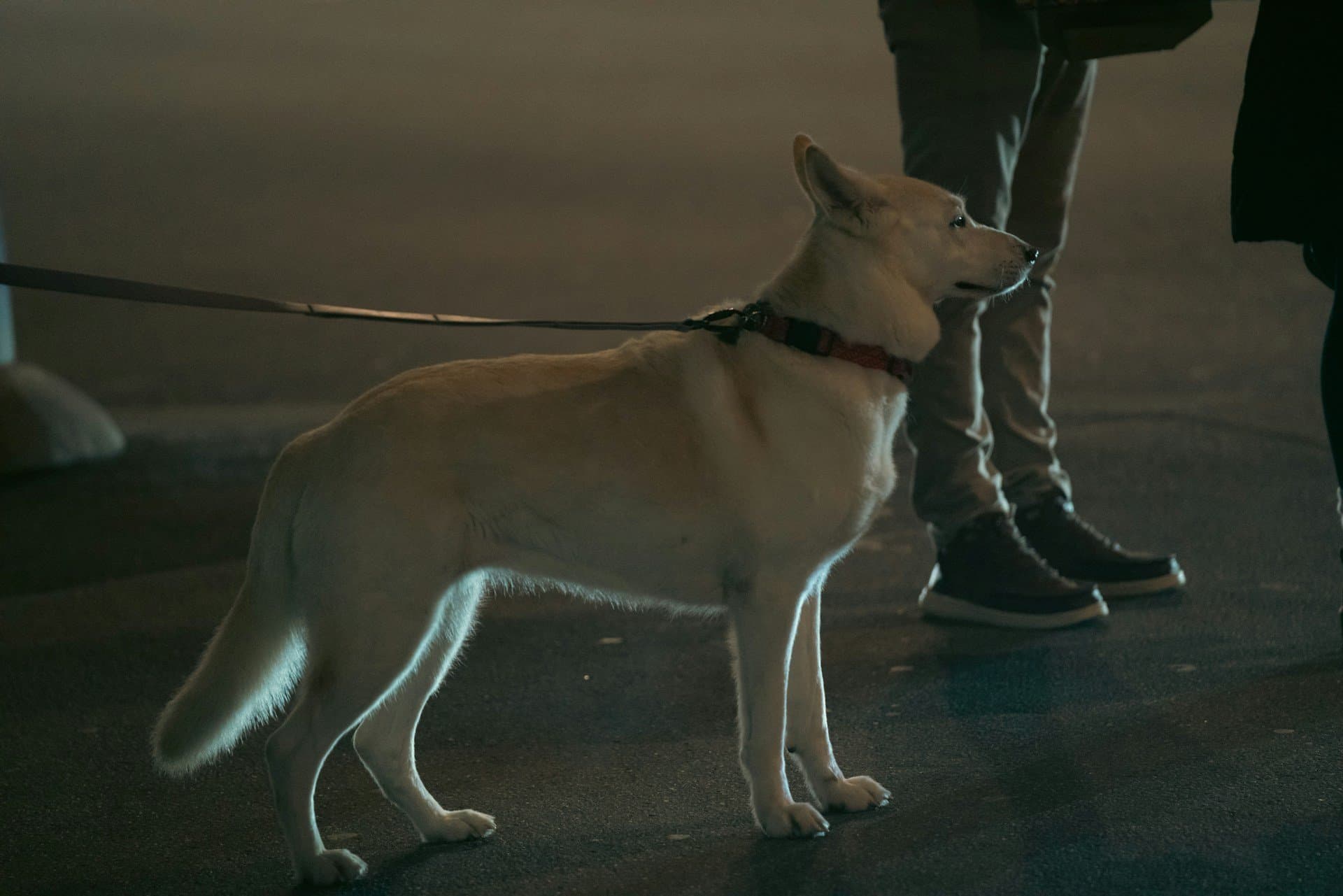
Walking Your Dog After the Clocks Go Back: Staying Safe in the Dark
The clocks go back on Sunday 25 October 2026, and sunset jumps to before 5pm overnight. How to keep your dog safe and visible on dark walks, what the Highway Code and the law say, and how to shift your dog's routine.
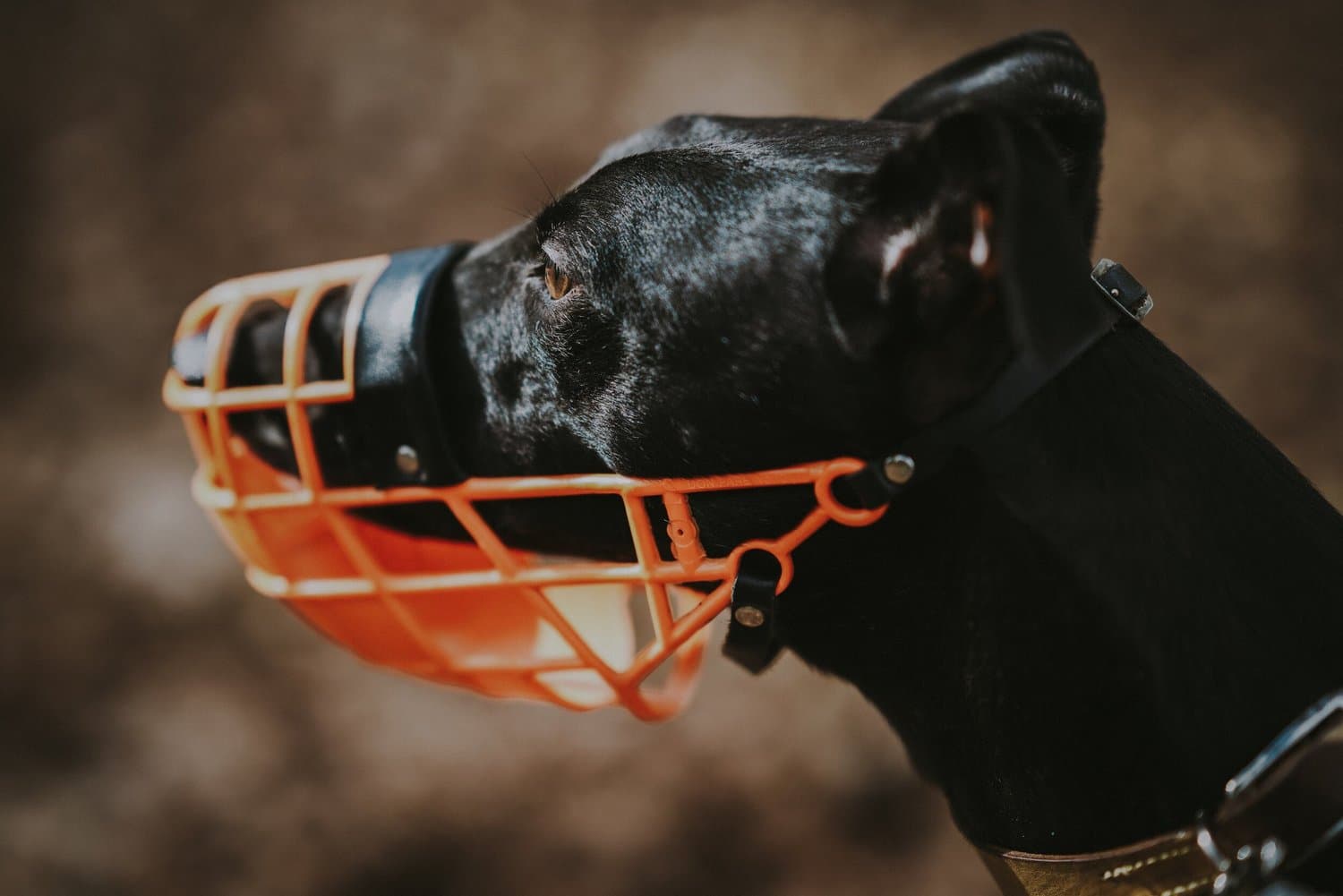
Guide to Muzzle Training for Dogs in the UK
Explore our step-by-step guide to positive muzzle training for dogs. Learn how to select the right muzzle, create positive associations, and safely introduce your dog to a muzzle. Understand the benefits, debunk myths, and discover practical tips.
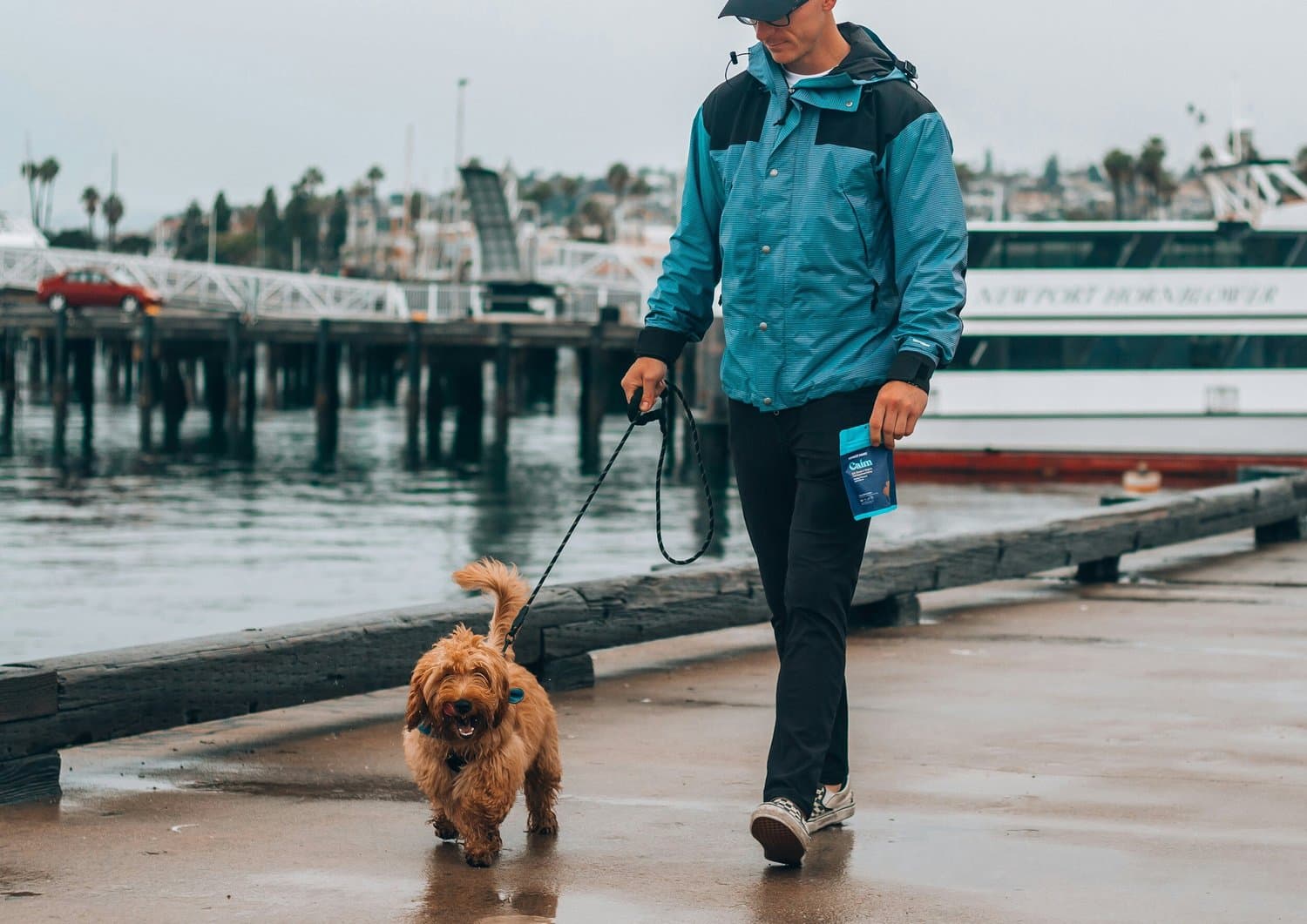
UK Dog Walking Laws: The Rules Every Dog Walker Should Know
The UK laws that apply every time you walk your dog: collar tags, microchips, dangerously out of control, the tougher 2026 livestock worrying rules, lead laws on access land, council PSPOs and fouling fines. Scotland covered too.