

How to Get a Dog Used to the Vet: A Guide for Dog Owners
Introducing your dog to the vet can be a daunting task, especially if it’s their first time. But with the right steps and some patience, you can help your dog feel comfortable and even enjoy their visits!
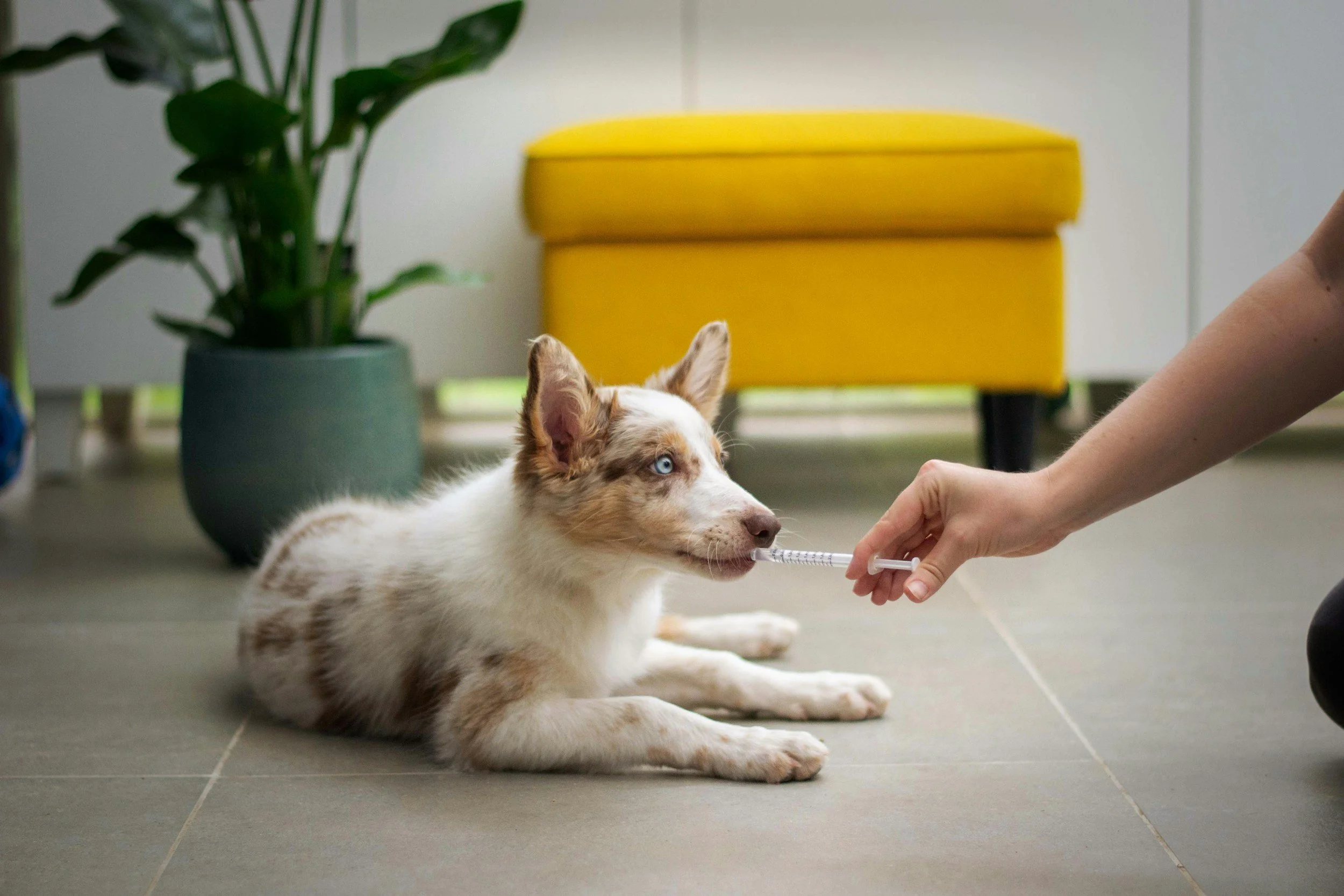
Introducing your dog to the vet can be a daunting task, especially if it's their first time - and for our more anxious canine companions, a trip to the vet can be as stressful for them as it is for you. But with the right preparation, some patience, and plenty of treats, you can help your dog feel comfortable at the vet and maybe even enjoy their visits. This guide covers everything: vet socialisation, desensitisation, what to do on the day, and how to handle fear or aggression if it appears.
What Are Vet Socialisation and Desensitisation?
Vet socialisation is the process of making your dog comfortable with the vet environment - the people, smells, sounds, and procedures they'll encounter. It's about creating positive associations with the vet setting from as early an age as possible. Read more about positive reinforcement here.
Desensitisation involves gradually exposing your dog to the parts of a vet visit that cause them anxiety, in a controlled and positive way, so their fear reduces over time.
The two work hand in hand: socialisation builds good associations, desensitisation dismantles bad ones. Neither is a quick fix, but together they can transform vet visits from a source of dread into a routine part of your dog's life.
Start with Early Socialisation at the Vet
The earlier you start, the better. If you have a puppy, begin socialising them as soon as possible. Get them used to new sounds, smells, and environments so that the vet’s office doesn't seem too overwhelming.
Invite visitors: Let friends and family handle your dog, touch their paws, and ears, and look at their teeth. This mimics some of the physical exams at the vet.
Practice calm handling: Regularly touch and handle your dog in ways similar to how a vet might (e.g., checking their legs, mouth, and tummy). Reward them for staying calm.
Walk Past the Vet’s Office
Once your dog is comfortable with socialisation, start incorporating visits to the vet's office into your routine walks. Walking past the clinic allows your dog to become familiar with the area without the stress of an appointment.
Stay positive: Keep your tone light and happy when walking by the vet’s office. This helps your dog associate the place with positive experiences.
Treats for walking by: Bring some treats and reward your dog when they stay calm as you pass by the vet. Gradually decrease the distance each time until they’re walking right up to the door.
Make Non-Appointment Visits
Before any actual vet appointment, take your dog for non-medical visits to the clinic. This allows them to get used to the smells, people, and waiting areas without the stress of an examination.
Friendly greetings: Ask the clinic staff if you can bring your dog in just to say hello. Let them interact with the receptionists and anyone in the waiting room.
Sniff around: Let your dog explore the waiting area, sniffing around and getting comfortable. The idea is to make them feel at ease in the environment.
Train for Exam Situations
You can simulate vet visits at home by mimicking the actions of a vet. For example, use gentle restraint, lift their paws, and touch different parts of their body. Reward them with treats for staying calm.
Use a table: If your dog is small enough, place them on a table to simulate an examination.
Desensitise tools: Get your dog used to the sound and touch of things like stethoscopes or thermometers (you can buy toy versions). The goal is to make the equipment less scary.
Build a Calm Pre-Visit Routine
Anxious dogs take enormous comfort from predictability. On the day of a visit:
Start calm: A leisurely walk or gentle play session before you leave can significantly lower anxiety levels.
Make travel normal: If your dog travels by car or carrier, make short, positive trips a regular part of life - not something that only happens when the vet is at the other end.
Pack familiar items: Their favourite blanket, toy, or even a t-shirt with your scent provides security in an unfamiliar place.
Book quiet times: Ask for the first appointment of the day or another low-traffic slot. Fewer dogs, smells, and noises mean fewer triggers.
During the Visit
On the day of the appointment, keep things as relaxed as possible. Ensure you stay calm as your dog will pick up on your energy.
Bring favourite treats or toys: These can help distract your dog during the exam.
Short visits first: If possible, start with short visits or check-ups so your dog’s first experiences are less intense.
Quick Tips for Vet socialising:
Start Early: Begin desensitisation and handling as soon as possible, especially if you have a puppy.
Positive Associations: Always bring treats or a favourite toy to the vet’s office to help create a positive connection.
Short Visits: Take your dog to the vet’s office for friendly visits without an appointment to reduce fear.
Stay Calm: Dogs pick up on your emotions, so keep your tone light and relaxed.
Reward Calm Behaviour: Always reward your dog when they stay calm, even if it’s just walking past the vet.
Practice at Home: Mimic vet exams at home by handling your dog’s paws, ears, and body regularly.
Use Calming Aids: Natural calming products or pheromone sprays can help reduce anxiety before vet visits.
Slow and Steady: Gradually increase the amount of time spent at the vet’s office to build tolerance.
How to Tell If Your Dog Is Anxious at the Vet
Signs of anxiety include panting, drooling, yawning, lip licking, shedding more than usual, hiding, trembling, or showing aggression. Learning your dog's stress signals means you can step in early - before mild worry escalates into panic.
What to Do if Your Dog Becomes Aggressive or Scared at the Vet
It’s not uncommon for some dogs to react with fear or aggression during vet visits. This can be stressful for both you and your dog, but there are ways to manage and even prevent these reactions. Here’s what to do if your dog becomes aggressive or scared at the vet:
Stay Calm and Collected
Your dog looks to you for cues on how to feel. If you become tense or anxious, they’ll likely mirror your emotions. Take deep breaths, keep your movements calm, and speak softly to reassure your dog.
Avoid raising your voice: Instead of shouting or pulling on the lead, use a calm and soothing tone.
Slow, confident movements: Quick movements can escalate fear. Move slowly and confidently, showing your dog that there’s nothing to be afraid of.
Bring Comfort Items
If your dog is scared or aggressive, familiar items from home can help them feel safer. Bring their favourite blanket, toy, or even a T-shirt with your scent on it to provide comfort.
Use a calming blanket: Covering your dog with a familiar blanket can help them feel secure while waiting in the clinic.
Chew toys or bones: Giving them something to chew on may provide a distraction and reduce stress.
Use Positive Reinforcement
Rewarding good behaviour is key to helping your dog learn that the vet isn’t a scary place. Bring plenty of high-value treats (something they don’t get often) and give them one each time they stay calm.
Treat on arrival: Give your dog a treat as soon as you enter the vet’s office, even if they’re showing signs of fear, to help shift their focus.
Break treats into small pieces: This allows you to give frequent rewards throughout the visit without overfeeding.
Try a Calming Aid
There are natural products designed to help calm dogs during stressful situations. These can be used before vet visits to take the edge off.
Pheromone sprays: These mimic the natural calming pheromones of a mother dog and can help your dog feel safer.
Calming treats: Look for treats with ingredients like chamomile or L-theanine, which promote relaxation.
Thundershirts: These snug-fitting garments provide gentle pressure, which can have a calming effect on dogs.
Desensitisation and Gradual Exposure
For long-term results, gradually exposing your dog to the vet environment can help reduce their fear over time. Start with short, non-threatening visits and build up from there.
Visit without appointments: Pop by the vet’s office just to get your dog used to the sights and smells. No exams, just rewards for being calm.
Increase the challenge: As your dog becomes more comfortable, introduce slightly more challenging situations, like stepping onto the exam table.
Work with a Professional
If your dog’s aggression or fear is extreme, consulting a professional dog trainer or behaviourist can be invaluable. They can assess the root of your dog’s anxiety and develop a custom desensitisation plan.
Counter-conditioning techniques: Trainers can teach methods to replace your dog’s fearful or aggressive reactions with positive behaviours.
Practice handling: A trainer can help you work on handling exercises that simulate vet exams, so your dog becomes desensitised to being touched and examined.
Consider Anti-Anxiety Medications
In severe cases, your vet may recommend short-term anti-anxiety medication for vet visits. These medications can help relax your dog enough to tolerate the exam without aggressive or fearful outbursts.
Talk to your vet: If your dog’s fear is overwhelming, consult your vet about possible medications to help them stay calm during visits.
Use a Muzzle if Necessary
If your dog has shown aggression towards the vet staff, it might be safer to use a muzzle. This helps protect the vet and your dog from escalating the situation while still allowing the exam to proceed.
Positive muzzle training: Train your dog to associate wearing a muzzle with positive things, like treats and playtime, so they’re not fearful of it.
Putting It All Together
Rather than treating these strategies as isolated tricks, weave them into one consistent approach: calm routines at home, positive exposure to the clinic, rewards for every brave moment, and professional help when you need it. Overcoming fear of the vet is gradual, but with consistency and patience, most dogs get there - and each positive visit makes the next one easier. Always work with your vet to tailor the approach to your dog, and never force or trap a panicking dog, as this deepens the fear.
-
This is common, and it’s important to stay calm. Reward calm behaviour, and try to distract them with treats or toys. Over time, with repeated visits and positive reinforcement, the anxiety should lessen.
-
This varies depending on your dog’s temperament. For anxious dogs, it might be helpful to visit once a week or fortnight for a friendly hello. Less anxious dogs might only need a few visits before they feel comfortable.
-
Yes, regular vet check-ups are essential for your dog’s health. Continue to work on reducing their fear by practising desensitisation techniques and keeping vet visits positive. You can also ask the vet about anxiety-reducing treatments.
-
Yes, there are natural calming aids, such as lavender-scented sprays or treats containing calming ingredients. Speak to your vet about using them before visits to reduce your dog’s anxiety.
-
If your dog shows signs of aggression, it’s important to consult both your vet and a professional dog trainer. They can help develop a behaviour plan. In some cases, the vet might suggest medication for extreme anxiety.